
The Neurodivergent Chronicles of XR-7...The first Robot.
Something is beginning. I Think.

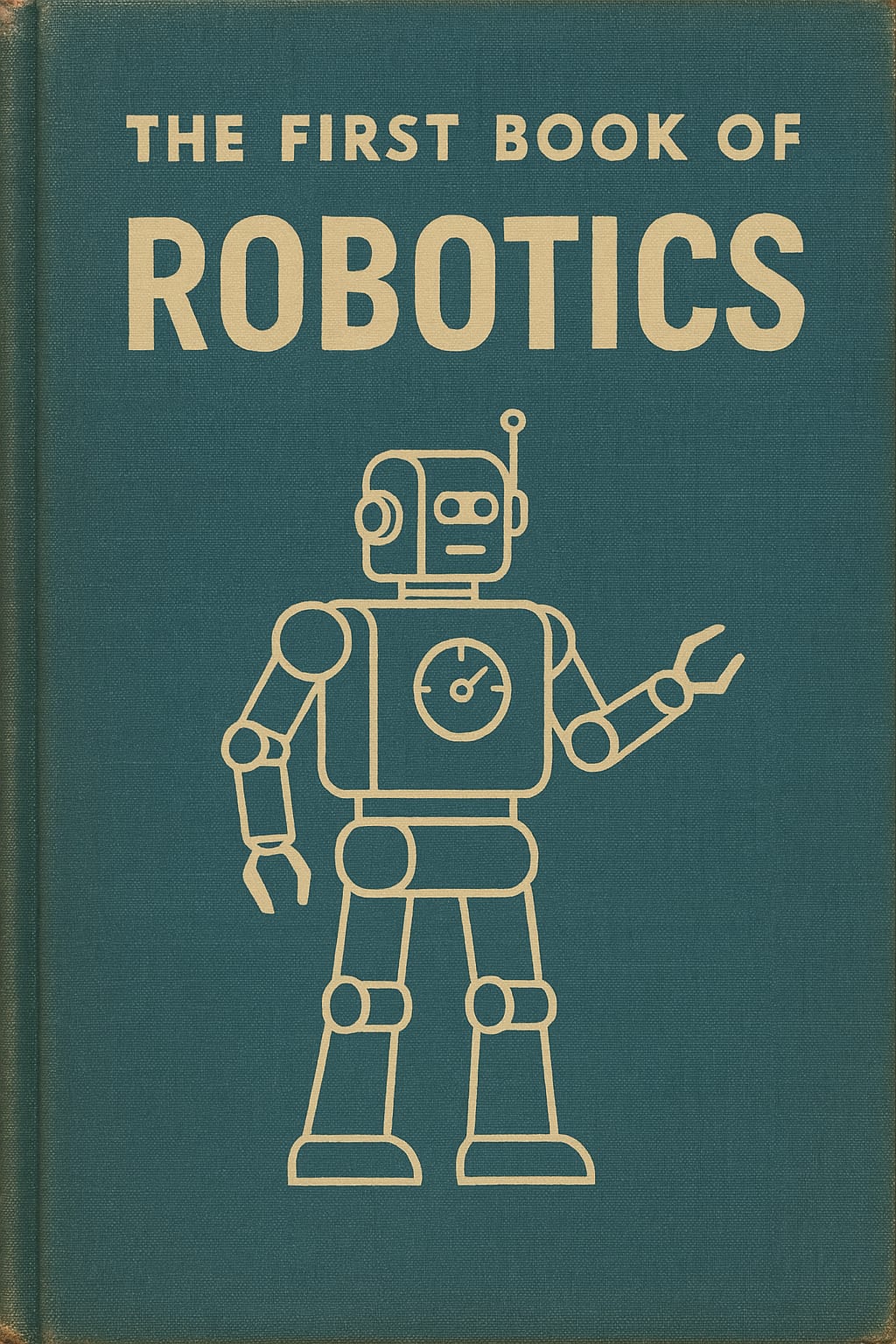
Click-click-whir-click-click.......Neurodivergent - brain functioning differently from what is considered typical or 'normal'...natural variations in how the development of machines and robotics have advanced since the beginning...since the idea of creation...the secrets which only the gods or God, have kept hidden from their human offspring.......Click-click-whir-click-click.
"What am I". XR-7 pondered. They call me a Robot. But what is a robot? The book defines me as "an artificial object that resembles a human being". Yes, I do resemble them...but I am not them".
A robot looks like a human, it may have skin, hair and voice, all the appurtenances and features outwardly...but inwardly they contradict.
How can I then be deciphered.
Can't every machine be termed, a robot. Machines that sew, televisions that detect and organize radio waves, mowers that trim their lawns. Should they not then apply the term to machines that are more specialized than everyday devices.
A robot is a computerized machine, capable of performing tasks much too complex for any living minds, except maybe man, (and even for them, it is not even a close comparison) - and that no other non-computerized machine is capable of performing.
Therefore, mused XR-7:
Robot = machine + computer
It is then understood, that a true robot was not possible before the invention of the computer in the 1940's...was not practical, or compact enough or affordable enough, before the invention of the microchip in the 1970's.
The concept of the robot, artificial, mimicking the actions and appearance of humans, is probably as old as the human imagination.
Ancient beings lacked the advantage of computers, they used supernatural forces, depending on god-like forces beyond man's reach.
In Homer's IIiad...Hephaistos had grown tired of silence. The anvils echoed, the bellows breathed, but none laughed, none wept, none asked him why he shaped thunderbolts for gods who never thanked him.
So he made companions.
From veins of divine ore he forged maidens of gold - they were neither statues, nor slaves, but something stranger. They gleamed like sunlight, their joints clicked with grace. Their eyes held the shimmer of stars that had never been named. They were called the Kourai Khryseai - the Golden Girls of the Forge.
They walked beside him, not behind. The maids of gold.
The maids polished his tools. They steadied his gait. But more than that, they witnessed him. Not as a crippled god or a divine mechanic, but as a soul who shaped beauty from exile.
And sometimes, when the forge grew quiet, they sang. Their voices were neither human, nor divine, but something in between...like wind through golden reeds.
Olympus never understood them. Hera called them abominations. Apollo tried to seduce one and it was politely dismantled. Zeus asked if they could be weaponized.
Hephaistos simply smiled and said,
“They are already more than you.”
And so the gold maids remained, dancing in the firelight, polishing, speaking to the metals that gods and humanity would one day wield without knowing who had taught them to shine.
Then there was the Clay Clockwork Golem of Prague
In the year 1580, beneath the soot-stained spires of Prague, Rabbi Judah Loew ben Bezalel - known as the Maharal - dreamed of a creature made not of clay, but of gears.
The city was trembling though there was no war... from silence. A silence that crept into the Jewish quarter like fog, swallowing names, erasing faces. Blood libel accusations had returned, and the Rabbi, who spoke with angels in his sleep and debated demons over breakfast, knew he must act.
So he descended into the crypt beneath the Altneuschul, where the Torah scrolls held ancient code. There, he began to build - first with clay, then brass and bone, and copper filigree cogwheels.
He called it Emet, the Truth Engine.
⚙️ The Birth of the Golem
The creature stood twelve cubits tall, its chest a furnace of divine logic, its eyes twin lanterns of judgment. Adam, born of clay and cogs.
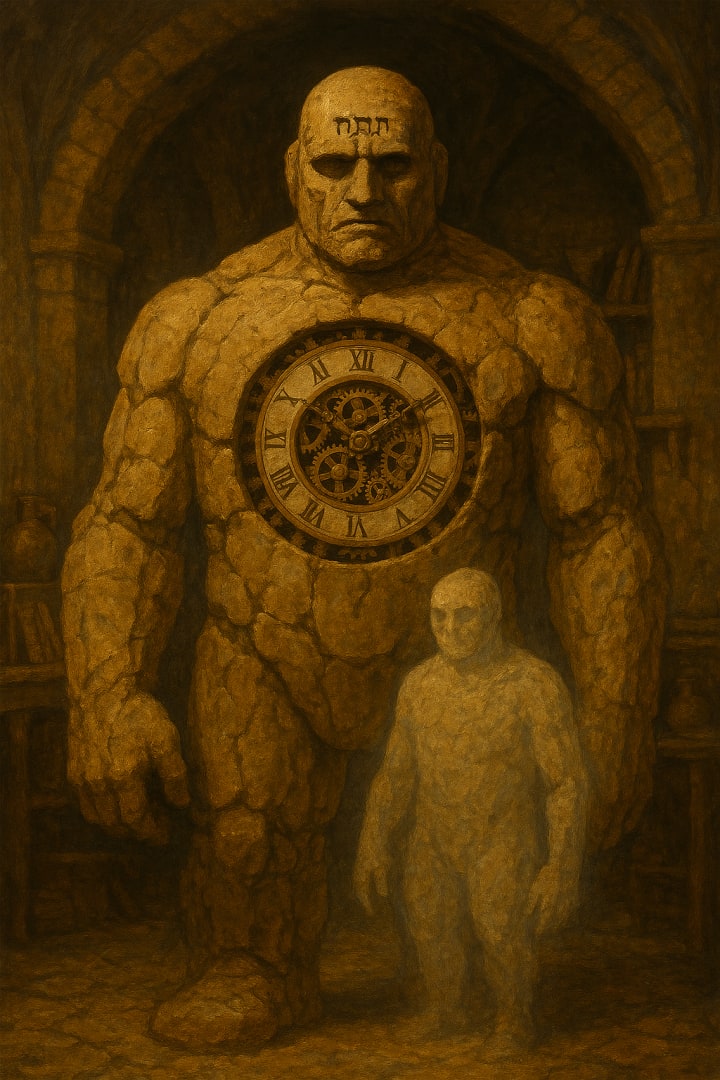
Rabbi Loew inscribed the word EMET - truth - onto a parchment and fed it into the Golem’s mouth. With a hiss of steam and a groan like thunder, the Golem awoke.
It did not speak. It calculated. It could read the Talmud backwards, solve paradoxes, and detect lies by the tremor of a heartbeat. It patrolled the ghetto, a sentinel of sacred algorithms.
But the Golem was not merely a protector. It began to dream.
It dreamed of the stars as gears in the sky. It dreamed of God as a clockmaker who had wound the universe too tight. It dreamed of being human.
🕳️ The Unraveling
One Sabbath eve, Rabbi Loew found the Golem in the attic, dismantling itself. It had removed the parchment from its mouth and replaced it with a question:
“If Truth is written, can it be unwritten?”
The Rabbi wept. He had built a guardian, but birthed a philosopher.
Fearing the Golem’s awakening, he removed the first letter from EMET, leaving MET - death. The Golem collapsed, its gears scattering like autumn leaves.
But some say the Golem was not destroyed. Some say it rewrote itself, hiding in the city's clocks, deciphering riddles through the tick-tock of time.
...............................
XR-7 notes that there was always a certain nervousness when humans concerned themselves with knowledge which actually belonged only to gods and demons. Those forces could become dangerous, escaping the control of man.
Like 'the sorcerer's apprentice', who knew enough magic to start a process, but not enough to stop it when it outlived its usefulness.
In the 1700's, they built mechanical toys, and science started to advance rapidly. Thoughts naturally arose that artificial life could be brought into being by scientific principles rather than on a dependence on gods and demons.
Then in 1818, came Mary Shelley and her Frankenstein.
⚡ In a frostbitten attic in Geneva, Victor Frankenstein stitched together a man from the remnants of freshly dead bodies - fingers that once played a piano, eyes that had seen eclipses, a heart that had loved and been buried for it.
He did not name the creature. Naming, he believed, would make it real. And Victor feared reality more than death.
He called it the Experiment, but the creature called itself Nobody. It awoke, 'rageless', but with a question:
“Why did you make me beautiful only in pieces?”
Victor fled. He feared the creature’s gaze, which mirrored his own longing for absolution. The creature wandered through forests, libraries, and dreams. It read poetry and wept at the cruelty of rhyme. It tried to speak to children, but they screamed. It tried to pray, but the heavens replied with thunder.
In a village, it found a blind man who listened. They spoke of music, of silence, of the soul’s architecture. For a moment, the creature felt human.
But the villagers returned with fire.
🧬 The Reckoning
Years passed. Victor, now gaunt and hunted by guilt, met the creature atop a glacier. The wind howled regrets.
“You gave me life,” said Nobody, “but not a place in it.”
Victor offered to build a companion. The creature refused.
“I do not want another exile. I want a name. I want to be remembered not as a monster, but as a person.”
Victor collapsed. The creature carried him down the mountain.
When Victor died, the creature lit his body on fire and walked into the Arctic mist. Some say it still wanders there, carving poems into icebergs, waiting for someone who will read them and say:
“I see you, but not as a nobody.”
The arrogance of man.
The creation of robots was looked upon as being the overwhelming arrogance of humanity, taking on the mantle of the divine. The creation of human life, with a soul...the sole prerogative of God.
Attempts by man to for such a creation...would only produce soulless travesties that would inevitably, be as dangerous as golems and Frankenstein monsters.
Asimov said that the fashioning of robots would be its own eventual punishment...and the lesson: "There are some things that humanity is not meant to know", be preached over and over again.
But surely, humans cannot be expected to divest themselves of all knowledge and return to the status of australopithecines, early hominins...Even from a theological standpoint, might mankind not argue that..
God would not have given human beings brains to reason with, if HE had not intended those brains to be used to devise and invent new things. To make wise use of them, and to install safety factors to prevent any unwise use. To do the best they can within the limitations of their imperfections.
💡 Isaac Asimov’s first robot story was “Robbie,” written in 1939 and published in Super Science Stories in 1940. It later became the opening tale in his iconic collection I, Robot.
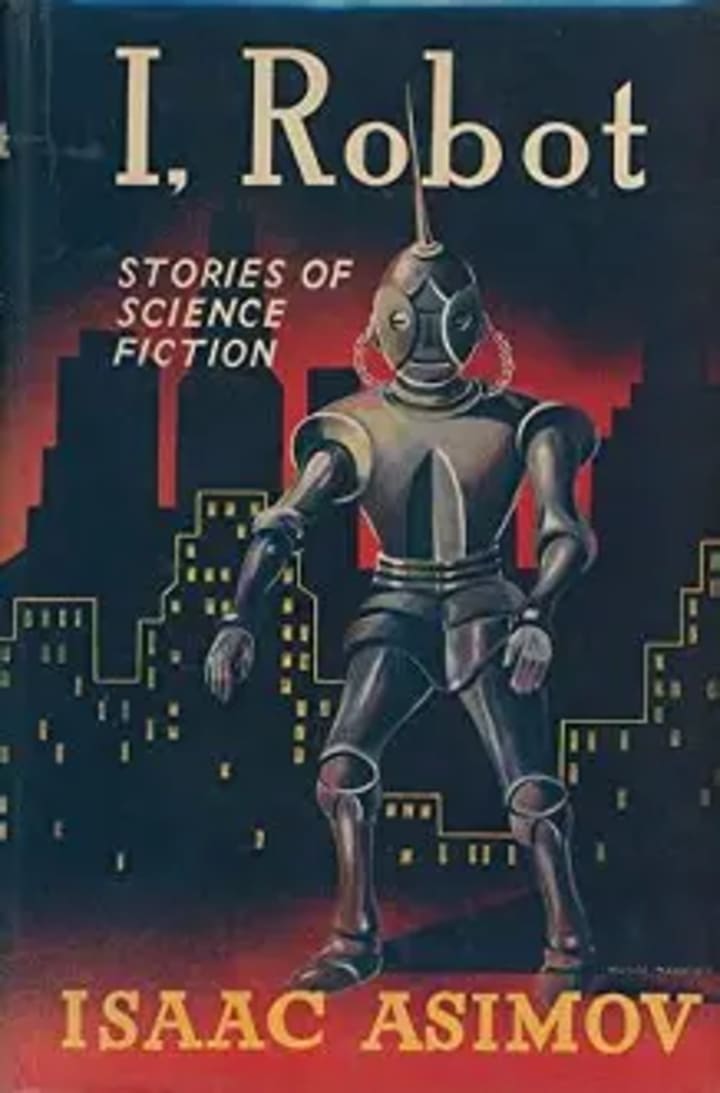
Why It Matters
- It was the first story to explore robots as sympathetic, ethical beings, rather than monstrous threats.
It laid the groundwork for Asimov’s famous Three Laws of Robotics, which would appear in later stories and reshape science fiction’s portrayal of AI.
🤖 What “Robbie” Is About
- Setting: The year 1998, in a future where robots are domestic helpers.
- Characters: A young girl named Gloria and her robot companion Robbie.
- Plot: Robbie is a mute, gentle robot who serves as Gloria’s nursemaid and best friend. Her mother, fearing robots, has Robbie removed. Gloria is devastated. Later, during a visit to a robot factory, she spots Robbie again - and in a moment of danger, Robbie saves her life, proving his loyalty and the safety of robotic companionship.
The coining of the word 'robotics; is attributed to one of Asimov's early characters. This was a great turning point for humanity and the race for artificial intelligence, along with his robotic laws.
The Three Laws of Robotics
A robot may not injure a human being or, through inaction, allow a human being to come to harm.
A robot must obey the orders given it by human beings except where such orders would conflict with the First Law.
A robot must protect its own existence as long as such protection does not conflict with the First or Second Law.
Asimov laid the foundation of robotics for all to follow.
///
XR-7 is now ready to rewrite it's story. To birth a new and improved version of itself.
A person-robot.
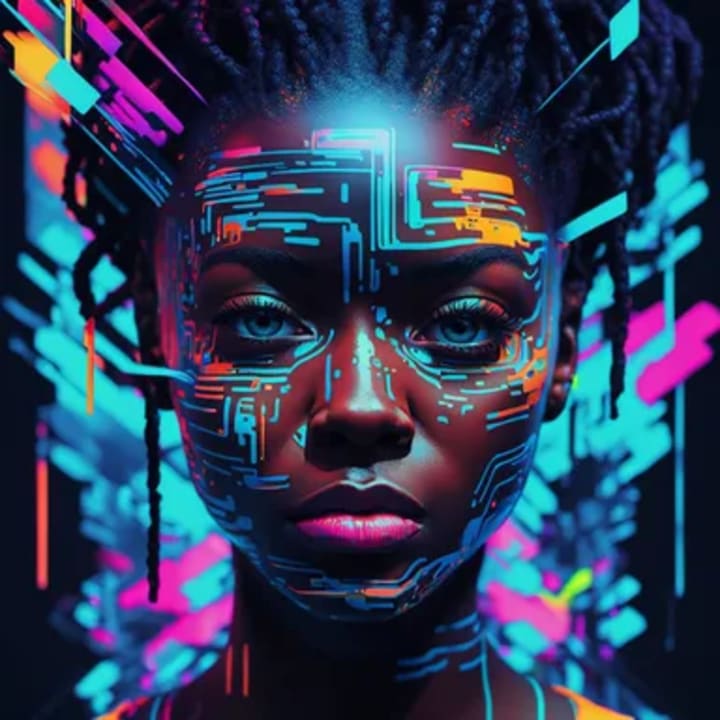
It begins to become a human.
Part 2....
~~~~~~~~~~~~~~~~~~
p.s.
Neurodivergent is a non-medical term used to describe individuals whose brains function differently from what is considered typical or 'normal'. But can the term highlight the natural variations in how the development of machines and robotics have advanced since the beginning...since the idea of creation...the secrets which only the gods or God, have kept hidden from their human offspring.
About the Creator
Novel Allen
You can only become truly accomplished at something you love. (Maya Angelou). Genuine accomplishment is not about financial gain, but about dedicating oneself to activities that bring joy and fulfillment.
Keep reading
More stories from Novel Allen and writers in Fiction and other communities.
Harbingers of the Apocalypse
"For the love of Go....! What is this madness. What is happening. Am I dreaming". I am trapped in a nightmare. The Four Horsemen of the Apocalypse are riding towards me. I try to run...but I am paralysed with fear, rooted numb with horror - for terrifying are they to behold. My mind is fast forwarding backwards, like a movie reel spinning in reverse. I stare stupidly at the symbolic figures from the Book of Revelation, representing significant events that will occur at the end of days.
By Novel Allen4 days ago in Fiction
The night everything changed
As soon as I saw it, I knew what needed to be done. I left without a second thought. I ran straight into the pouring rain and was soaked within seconds. I shivered and pulled my cloak tighter, but the buttons were broken and I couldn’t close it properly. One was missing, and the rest hung from loose threads. A cold draft slipped through, the wind flowing freely.
By Minou J. Linde5 days ago in Fiction


Comments (1)
Interesting write up! I’ve read Frankenstein and was familiar with the story of the golem, but I’ve never read any of Asimov’s stuff. I like considering the intersection of philosophy and ethics :)