
Lailatul Qadr in Ramadan 2026: The Night That Holds a Lifetime of Mercy
A sacred opportunity for reflection, prayer, and spiritual renewal in the final days of Ramadan

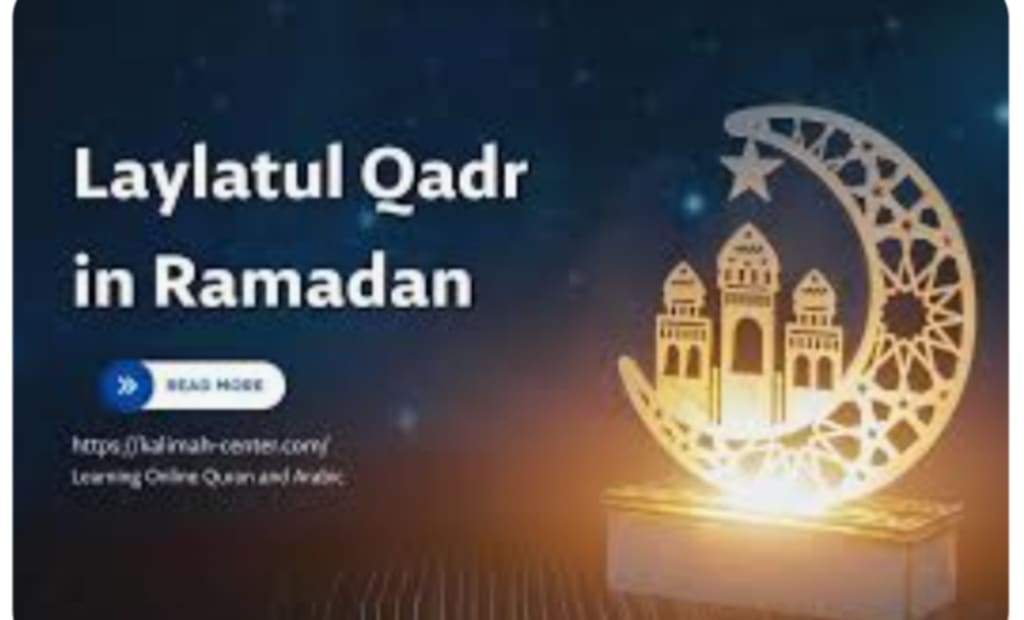
Lailatul Qadr, also known as the Night of Decree or the Night of Power, is the most spiritually significant night in the Islamic calendar. It is the night when the Holy Qur’an was first revealed to Prophet Muhammad (peace be upon him), and it is described in the Qur’an as being “better than a thousand months.” As Ramadan 2026 approaches its final ten nights, millions of Muslims around the world will once again prepare their hearts and souls to seek this extraordinary night of divine mercy, forgiveness, and blessings.
Unlike fixed holidays, the exact date of Lailatul Qadr is unknown. It is traditionally sought during the odd-numbered nights of the last ten days of Ramadan—most commonly on the 21st, 23rd, 25th, 27th, or 29th night. This uncertainty itself carries wisdom: it encourages believers to remain consistent in worship rather than focusing on only one specific evening. In Ramadan 2026, this search will feel even more meaningful in a world that continues to struggle with uncertainty, conflict, and emotional fatigue. Lailatul Qadr stands as a reminder that divine light can pierce even the darkest times.
The Qur’an describes this night as one in which angels descend with peace until dawn. It is believed that on this night, Allah decrees the affairs of the coming year—life, death, provision, and destiny. For believers, this transforms the night into a bridge between the human and the divine, where sincere prayers are answered and hearts are cleansed of burdens carried throughout the year. A single night of devotion can outweigh more than eighty years of worship, a promise that fills this moment with unmatched spiritual potential.
In Ramadan 2026, many Muslims will approach Lailatul Qadr with renewed urgency. After years marked by global challenges—pandemics, wars, climate anxiety, and economic instability—people are searching for meaning, comfort, and hope. Lailatul Qadr provides all three. It is not merely a ritual night of prayer; it is a deeply personal encounter with faith. Some will spend the night in mosques, standing in long prayers and reciting Qur’an. Others will observe it quietly at home, whispering supplications through tears and reflection. Both forms of worship hold equal value when sincerity is present.
One of the most powerful aspects of Lailatul Qadr is forgiveness. The Prophet Muhammad (peace be upon him) said that whoever stands in prayer on this night with faith and seeking reward will have their previous sins forgiven. This message resonates strongly in modern times, when guilt, stress, and emotional wounds weigh heavily on many hearts. Lailatul Qadr becomes a spiritual reset button—a chance to start again, lighter and stronger than before.
Families often treat this night as a sacred tradition. Parents wake their children gently, teaching them the importance of prayer and remembrance. Homes glow with soft lights, Qur’anic recitations echo in quiet rooms, and supplications rise from every corner. In Ramadan 2026, with digital tools and global connectivity, many will join online prayers and virtual gatherings, creating a shared sense of unity across borders. Technology may shape how people participate, but the essence of the night remains unchanged: humility before God.
Preparation for Lailatul Qadr does not begin on the night itself; it begins in the days leading up to it. Muslims are encouraged to purify their intentions, repair broken relationships, increase charity, and distance themselves from negativity. Acts of kindness multiply in value during this time, and even small gestures—feeding the hungry, helping a neighbor, or forgiving an old grudge—carry immense spiritual reward. Lailatul Qadr teaches that worship is not limited to prayer alone; it is reflected in character and compassion.
The recommended supplication for this night is simple yet profound: “O Allah, You are Most Forgiving, and You love to forgive, so forgive me.” These words capture the spirit of Lailatul Qadr perfectly—recognition of human weakness and trust in divine mercy. In Ramadan 2026, these prayers will echo from crowded mosques in major cities to quiet rooms in distant villages, uniting believers in a single plea for peace and guidance.
Beyond personal growth, Lailatul Qadr carries a collective message. It reminds humanity that time itself can be sacred, that moments of silence and prayer can reshape destiny. In an age driven by speed and distraction, this night teaches patience and stillness. It invites people to step away from noise and return to the heart of faith: connection with the Creator.
As the last ten nights of Ramadan 2026 arrive, the search for Lailatul Qadr will once again awaken deep spiritual longing. Whether found on the 21st night or the 27th, its true reward lies not in the calendar date but in the transformation it brings. It is a night of light in a month of light, a moment when heaven feels close and every prayer feels heard.
Lailatul Qadr is not only about asking for blessings; it is about becoming worthy of them. It challenges believers to leave behind old habits, renew faith, and step into the coming year with a heart full of gratitude and purpose. In this way, Ramadan 2026 will not simply end with Eid celebrations—it will begin a new chapter shaped by the power of one extraordinary night.
About the Creator
Sajida Sikandar
Hi, I’m Sajida Sikandar, a passionate blogger with 3 years of experience in crafting engaging and insightful content. Join me as I share my thoughts, stories, and ideas on a variety of topics that matter to you.
Keep reading
More stories from Sajida Sikandar and writers in Filthy and other communities.
Israel to Permit 10,000 Palestinian Worshippers to Al-Aqsa in Ramadan
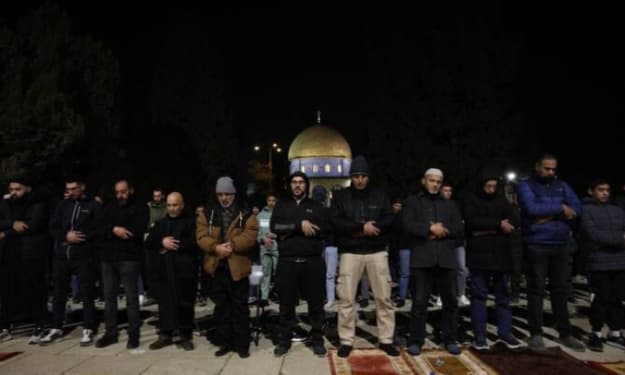
As the holy month of Ramadan begins, a fragile calm settles once again over Jerusalem’s Old City — a place where faith and politics have been inseparably intertwined for decades. This year, Israeli authorities announced that 10,000 Palestinian worshippers from the West Bank will be permitted to enter Jerusalem to pray at the sacred Al-Aqsa Mosque on Fridays during Ramadan.
By Sajida Sikandar4 days ago in Filthy
Real-World Strategies To Improve Trust And Intimacy In Relationships
Any strong relationship is based on trust and intimacy. Without them even the most fervent unions may seem insecure or remote. In our daily life, the hectic schedules, misunderstanding, and emotional strain may erode intimacy between lovers gradually. The positive thing is that the trust and intimacy are not constant features, but they can be reinforced by making it a habit and communication. The real-life strategies are centered on consistency, emotional openness and mutual respect. Couples can find the strength to build a safe, supportive and emotionally satisfying relationship by making small, but significant changes.
By Kellee Bernier4 days ago in Filthy
Shadows of the Alley
In the heart of the city, where the streets narrowed and sunlight barely touched the ground, there existed a network of alleys that most people avoided. They were lined with crumbling brick walls, overflowing trash bins, and the stench of decay that clung to everything. Few knew what actually happened there after dusk. For Malik, however, the alleys were home. Not by choice, but by circumstance. Life had shoved him into the shadows, teaching him lessons in survival that no school could offer.
By Sudais Zakwan5 days ago in Filthy
Unofficial Challenge: What would you do if you were rich?
I love the kind of work I get to do in my career, but as I job search and browse apartments again due to another understaffed and unsustainable work environment that I did not intend to get into, my daydreams of better days consistently lean into the same question: What would I do if I didn't have to worry about my basic needs being met?
By Kay Husnick5 days ago in Writers

Comments
There are no comments for this story
Be the first to respond and start the conversation.