
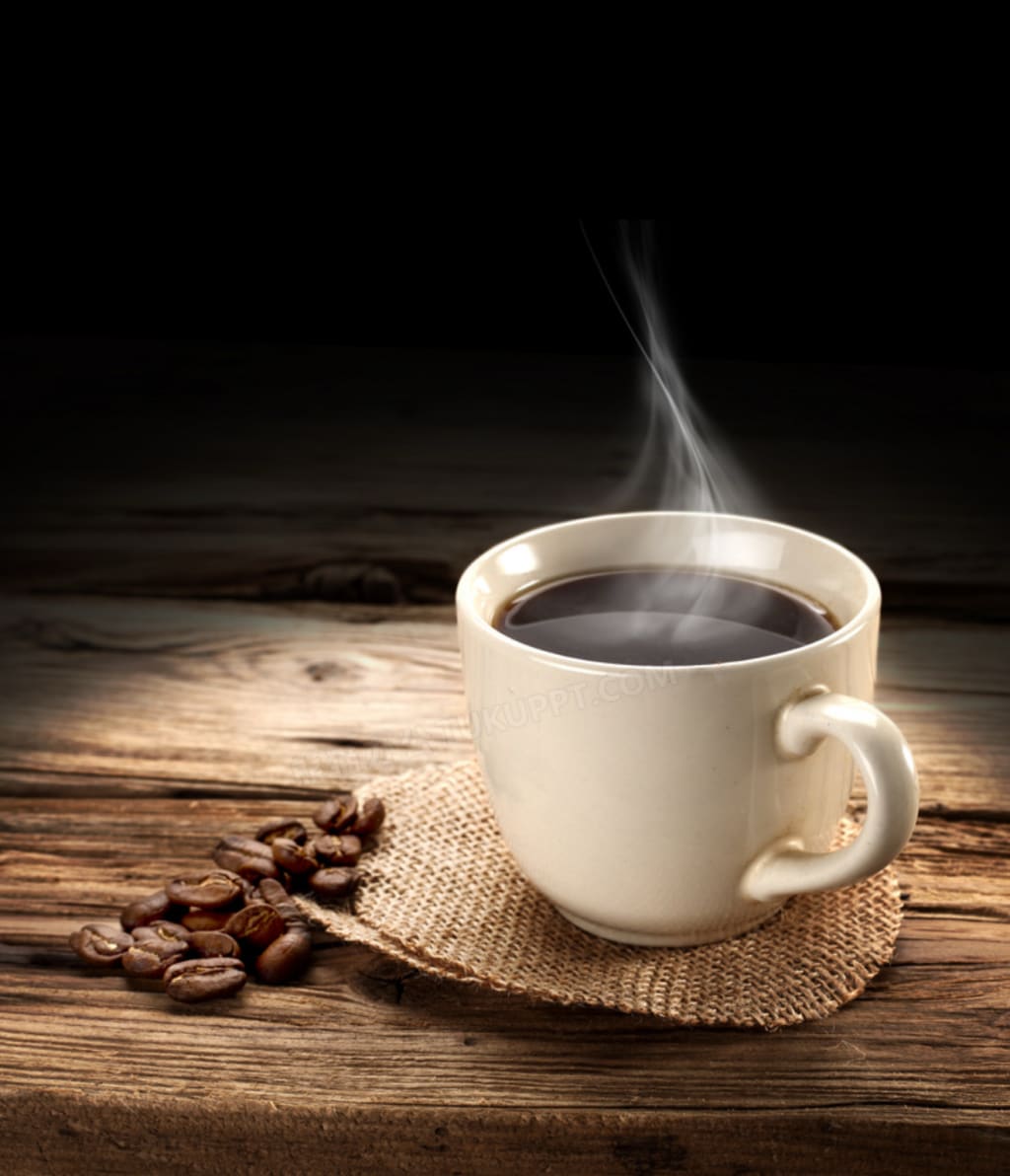
Coffee, often referred to as “life-saving water” by office workers, has become one of the most consumed beverages worldwide. Let’s explore who should be cautious with coffee consumption, its health benefits, optimal intake, and the healthiest ways to enjoy it.
Who Should Be Cautious with Coffee:
1. Individuals Sensitive to Caffeine: Sensitivity varies due to genetic differences. Some can drink coffee late and sleep well, while others may experience sleep disturbances even with midday consumption. Monitor your response and adjust intake accordingly.
2. People with Heart Rhythm Disorders: Caffeine can cause increased heart rate or irregularities. Those with existing heart conditions should consider limiting or avoiding coffee. 
3. Individuals with Iron-Deficiency Anemia: Compounds in coffee can inhibit iron absorption. It’s advisable for those affected to reduce coffee intake until anemia improves.
4. Adolescents (12-18 years): While not strictly prohibited, it’s recommended to limit caffeine intake to less than 100 mg per day, approximately one cup of coffee.
Health Benefits of Coffee:
• Cardiovascular Health: Moderate coffee consumption is associated with a reduced risk of heart disease and stroke.
• Liver Health: Regular coffee intake has been linked to a lower risk of liver diseases, including liver cancer.
• Neurodegenerative Diseases: Regular coffee consumption has been linked to a lower risk of Alzheimer’s and Parkinson’s diseases.
Optimal Coffee Intake:
• General Adults: Up to 400 mg of caffeine per day is considered safe, equating to about 4-5 cups of coffee.
• Pregnant or Breastfeeding Women: It’s advisable to limit caffeine intake to 200 mg per day, approximately 2 cups of coffee.
• Health Benefits Peak: Consuming 2-3 cups daily may offer the most health benefits, including reduced risks of certain diseases.
Best Times and Practices for Coffee Consumption:
• Timing: To enhance alertness, drink coffee about 30 minutes before needed. Avoid consumption 3-6 hours before bedtime to prevent sleep disturbances.
• Consistency: Maintain regularity in coffee consumption regarding timing and amount to help your body adapt and respond positively.
Choosing Healthier Coffee Options:
• Simple Brews: Opt for classic options like espresso, Americano, or latte, which are less likely to contain added sugars or unhealthy additives.
• Be Wary of Additives: Flavored syrups and creamers can add unwanted sugars and fats. Choose plain coffee and add minimal amounts of milk or natural sweeteners if desired.
• Homemade Coffee: Preparing coffee at home allows control over ingredients, ensuring a healthier beverage.
Cultural Significance:
• Social Rituals: In many cultures, coffee drinking is a social activity, fostering community and conversation in settings like coffeehouses and cafes.
• Culinary Uses: Beyond beverages, coffee is utilized in cooking and baking, enhancing flavors in dishes such as tiramisu, coffee-rubbed meats, and various desserts.
Health Considerations:
• Antioxidant Properties: Coffee is a significant source of antioxidants, which help combat oxidative stress in the body.
• Mental Alertness: Caffeine, a natural stimulant in coffee, can enhance cognitive function and alertness.
Consumption Tips:
• Moderation: While coffee has health benefits, excessive intake can lead to side effects like insomnia or increased heart rate.
• Personalization: Coffee can be customized with various additions such as milk, cream, sweeteners, or flavored syrups to suit individual preferences.
Understanding these aspects of coffee can enhance your appreciation and enjoyment of this versatile beverage.
Coffee offers several health benefits:
• Antioxidant Properties: Coffee is rich in antioxidants, which help combat oxidative stress and may reduce the risk of certain diseases.
• Reduced Risk of Type 2 Diabetes: Regular coffee consumption has been linked to a lower risk of developing type 2 diabetes.
• Neuroprotective Effects: Studies suggest that drinking coffee may lower the risk of neurodegenerative diseases such as Alzheimer’s and Parkinson’s.
• Enhanced Physical Performance: Caffeine in coffee can improve physical performance by increasing adrenaline levels and breaking down body fat for energy.
• Mood Enhancement: Coffee consumption has been associated with a reduced risk of depression, particularly in women.
• Liver Health: Regular coffee intake may protect against liver diseases, including liver cancer.
• Cardiovascular Benefits: Moderate coffee consumption is linked to a reduced risk of heart disease and stroke.
It’s important to note that individual responses to coffee can vary, and excessive consumption may lead to adverse effects. Moderation is key to maximizing the health benefits of coffee.
In summary, moderate coffee consumption can be part of a healthy lifestyle for many people. However, individual responses vary, and it’s essential to monitor how your body reacts and adjust accordingly.
About the Creator
Keep reading
More stories from Josalynn xue and writers in Filthy and other communities.
Remember “natural” the fundamental principle
Our innate desire for food and drink is deeply embedded in our genes, making it challenging to resist. As a food enthusiast, I believe that cuisine not only provides us with essential energy but also enriches our lives with significant experiences. Therefore, rather than dictating what you should eat, I aim to guide you on how to maintain health without disrupting your dietary preferences.
By Josalynn xueabout a year ago in Longevity
Celeb Fun
I say to her as I take my finger away from under her chin. I look over at Victoria and then back at Ice before slowly stepping away. I usually go commando to these shows, so I walked over and put on my shirt. I turned to face them as I started putting on my skinny jeans. As I'm putting my jeans on my fat long cock is flopping all over the place. I finally have my jeans on and stuff my cock in last. The outline of it was an open invitation for eyes to wander all over.
By Forest Green2 days ago in Filthy
Celeb Fun
I heard Victoria gasp semi loudly. I gripped Ice's thick round ass hard and pushed her down harder on my bulge for her to thoroughly whine her hips. As I pushed her pussy down on my outline I broke the kiss and started kissing and sucking on her neck. I lick her neck to shift my lips to the other side of her neck slowly. As I'm doing that, I hear Ice moan, and I stare at Victoria only to see her blushing and biting her bottom lip.
By Forest Greena day ago in Filthy


Comments
There are no comments for this story
Be the first to respond and start the conversation.