
GCC Forage Market Outlook: Growth Drivers, Supply Dynamics & Demand Trends
How Rising Livestock Demand and Dairy Expansion Are Driving Growth in the GCC Forage Market

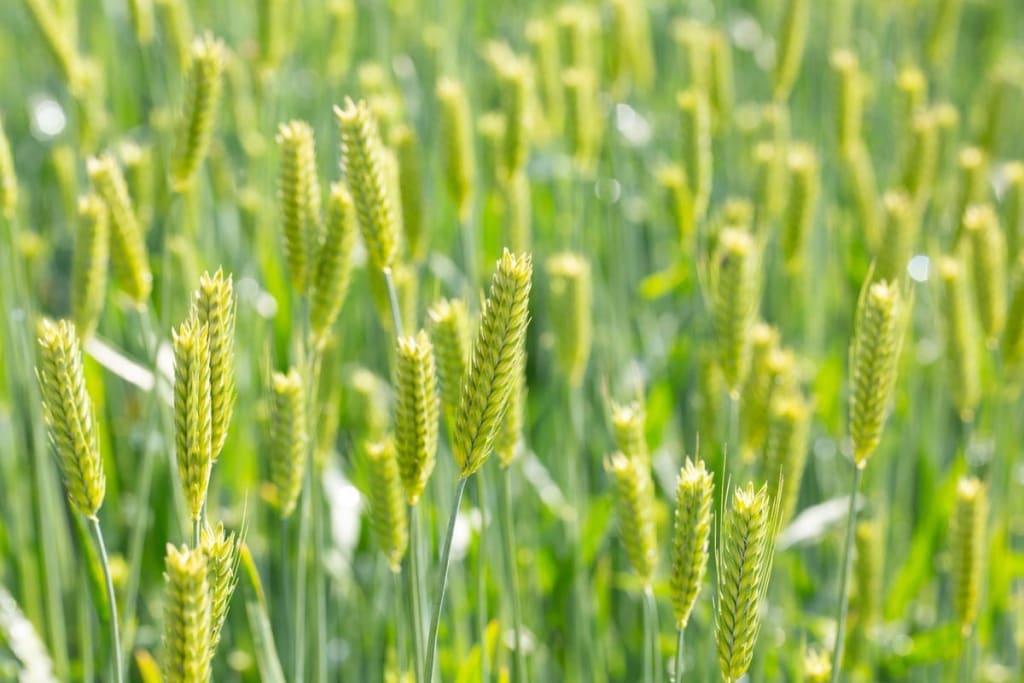
According to IMARC Group's latest research publication, the GCC forage market size reached USD 1.9 Billion in 2025. The market is projected to reach USD 2.8 Billion by 2034, exhibiting a growth rate of 4.50% during 2026-2034.
How AI is Reshaping the Future of GCC Forage Market
• Precision Feeding and Nutrition Optimization: AI systems monitor livestock health in real-time, adjusting forage diets based on milk production and weight gain metrics, boosting feed efficiency by 15-20% across GCC dairy operations.
• Forage Yield Prediction and Quality Control: Computer vision technology analyzes crop maturity and nutrient content instantly, ensuring optimal harvest timing and reducing nutrient loss by up to 25% in stored forage.
• Hydroponic Forage Production: AI-driven vertical farming systems enable year-round production using 90% less water, with facilities producing over 6,000 pounds of fresh forage daily through climate-controlled environments.
• Smart Irrigation and Resource Management: Machine learning algorithms optimize water usage in forage cultivation, predicting soil moisture needs and reducing waste—critical in a region where agriculture consumes 80% of water supply.
Download a Sample Report for Data-Driven Market Analysis
How Vision 2030 is Revolutionizing GCC Forage Industry
Vision 2030 initiatives across the GCC are transforming forage production through strategic self-sufficiency targets and sustainable agriculture investments. Saudi Arabia has achieved 129% dairy self-sufficiency, with major producers like Almarai operating farms with 93,000 cows requiring massive forage volumes. The Agricultural Development Fund allocated SAR 1.5 billion (USD 400 million) specifically for modern feed technologies and livestock expansion. Government policies now encourage hydroponic forage systems that use 48 times less water than traditional cultivation—addressing the region's critical water scarcity while meeting growing livestock demands. The UAE's National Food Security Strategy and similar programs across Qatar, Kuwait, and Oman are driving investments in controlled-environment agriculture, vertical farming facilities, and precision forage production. These initiatives aim to reduce the GCC's 90% import dependency for animal feed ingredients, strengthen domestic supply chains, and create jobs in agri-tech sectors while supporting the region's goal of producing 500,000 tons of aquaculture by 2025, which requires specialized forage-based feeds.
GCC Forage Market Trends & Drivers:
The GCC forage market is expanding rapidly as mega-infrastructure projects and urbanization fuel livestock production across the region. Saudi Arabia's poultry sector is targeting 90% self-sufficiency, with Almarai alone planning to process 450 million birds by 2027—dramatically increasing forage demand. The region's population is projected to reach 58.3 million by 2030, driving meat and dairy consumption higher. Meanwhile, water conservation policies are reshaping production methods: Saudi Arabia banned water-intensive green fodder cultivation, making the Kingdom the second-largest U.S. alfalfa importer while simultaneously investing in hydroponic systems. Companies are pioneering circular farming models—Tanmiah Food grows drought-resistant Moringa trees using treated wastewater, providing locally-sourced feed that reduces methane emissions when included in cattle diets.
Rising consumer awareness about organic and free-range farming is driving demand for high-quality, chemical-free forage across the GCC. The organic food market globally reached USD 207 billion, with Middle Eastern consumers increasingly willing to pay premiums for products from livestock raised on natural feeds. Major dairy producers like Almarai and NADEC are integrating organic fertilizers from poultry operations into forage production, creating closed-loop systems that improve soil health while reducing environmental impact. Qatar's Open Innovation programs and the UAE's National Biosecurity Committee are promoting sustainable practices that minimize chemical fertilizer use. Specialty forage blends combining alfalfa, clover, and timothy grass are gaining traction as producers recognize their impact on livestock performance—milk yields at Saudi farms average 13,400 liters annually, more than double global averages, partly due to optimized 45% forage diets.
Advanced agricultural technologies are revolutionizing forage production efficiency and sustainability across the GCC. Precision farming techniques using satellite imagery and sensors help optimize harvest timing and nutrient preservation, while automated processing equipment ensures maximum digestibility in stored forage. Digital platforms now enable real-time tracking from farm to feed trough—Almarai uses data-driven nutrition models that predict protein deficits and automatically trigger procurement orders. The integration of robotics in large-scale operations reduces labor costs and improves consistency, particularly important given the region's reliance on expatriate agricultural workers. Climate-resilient seed varieties are being developed through partnerships with international agri-tech companies, focusing on drought tolerance and enhanced nutritional profiles.
GCC Forage Market Industry Segmentation:
The report has segmented the market into the following categories:
Crop Type Insights:
- Cereals
- Legumes
- Grasses
Product Type Insights:
- Stored Forage
- Fresh Forage
Animal Type Insights:
- Ruminants
- Swine
- Poultry
- Others
Country Insights:
- Saudi Arabia
- UAE
- Qatar
- Bahrain
- Kuwait
- Oman
Competitive Landscape:
The competitive landscape of the industry has also been examined along with the profiles of the key players.
Recent News and Developments in GCC Forage Market
• January 2025: Almarai announced plans to increase poultry capacity from 250 million to 300 million birds, with output rising to 270 million annually, driving substantial forage feed demand across its integrated operations.
• February 2025: Tanmiah Food signed with Chengdu Design and Research Institute to build 100 modern broiler houses across Saudi Arabia in a SAR 165 million project, scheduled for completion by December 2026, significantly increasing domestic feed requirements.
• May 2024: Almarai completed acquisition of Etmam Logistics to strengthen supply chain capabilities and reduce distribution costs for dairy operations, improving forage procurement and handling efficiency across the Kingdom.
• September 2025: Syrian Minister of Agriculture visited Almarai's farms showcasing advanced AI applications and robots for feed handling, electronic livestock tracking chips, and fully integrated value chain technologies that set new regional standards for forage management.
Note: If you require specific details, data, or insights that are not currently included in the scope of this report, we are happy to accommodate your request. As part of our customization service, we will gather and provide the additional information you need, tailored to your specific requirements. Please let us know your exact needs, and we will ensure the report is updated accordingly to meet your expectations.
About the Creator
Abhay Rajput
I am working in market research company that provides market and business research intelligence across the globe.
Keep reading
More stories from Abhay Rajput and writers in Futurism and other communities.
GCC Fiber to the Home (FTTH) Market Outlook: Growth Drivers, Investment Trends & Competitive Landscape
According to IMARC Group's latest research publication, GCC fiber to the home (FTTH) market size reached USD 60.6 Billion in 2025. The market is projected to reach USD 152.5 Billion by 2034, exhibiting a growth rate of 10.81% during 2026-2034.
By Abhay Rajputabout 7 hours ago in Futurism
Australia Organic Food Market: Consumer Health Focus, Sustainable Agriculture & Retail Penetration
According to IMARC Group, the Australia organic food market reached USD 1.2 Billion in 2025 and is projected to expand to USD 2.3 Billion by 2034, exhibiting a compound annual growth rate (CAGR) of 6.90% during 2026–2034. This steady growth reflects a structural shift in food consumption patterns across Australia, where consumers increasingly prioritize clean-label products, sustainable farming and transparency in sourcing. Organic food—produced without synthetic pesticides, fertilizers or genetically modified organisms—has transitioned from niche health stores into mainstream supermarket shelves. As retail access broadens and agricultural practices evolve, Australia’s organic sector is emerging as a significant component of the national food industry.
By Shrestha Royabout 10 hours ago in Futurism
How to Build an EHR System in 2026
Electronic Health Records (EHR) systems form the backbone of modern healthcare, replacing paper charts with digital platforms that store, manage, and share comprehensive patient information. Whether you’re developing a standard clinical records system for hospitals or an advanced mental health application, understanding the development process, functionality, compliance, and user needs is essential.
By Kunal Chouhan4 days ago in Futurism



Comments
There are no comments for this story
Be the first to respond and start the conversation.