
How Mobile Apps Are Changing Tampa Vacations?
The modern traveler doesn’t just visit a city — they interact with it

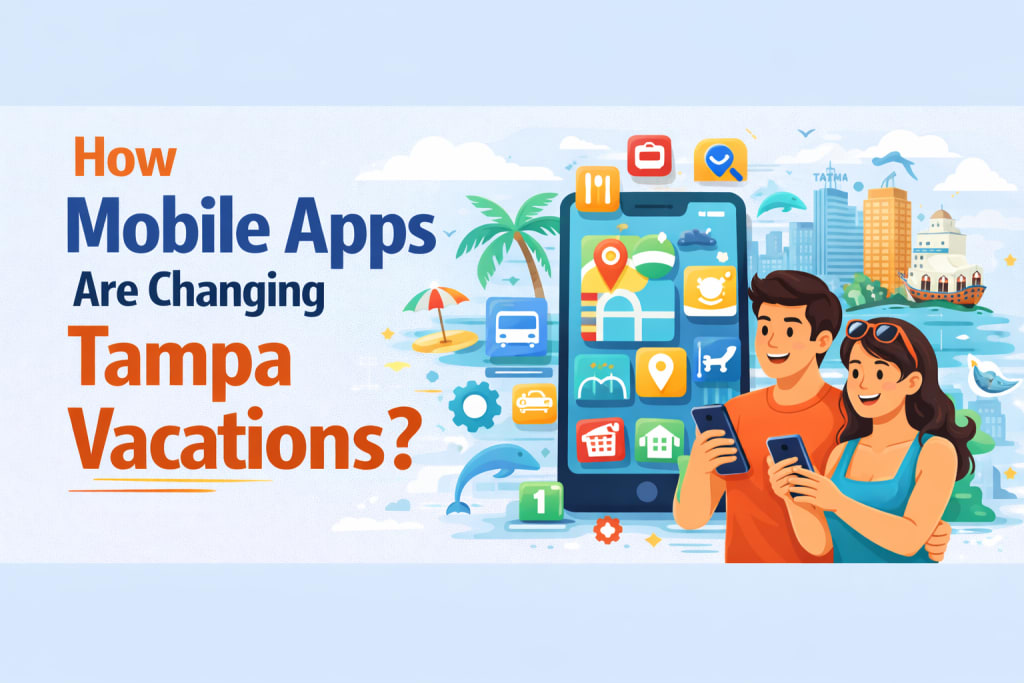
There was a time when vacation planning meant folding paper maps, asking hotel staff for recommendations, and relying on guidebooks filled with outdated information. Today’s traveler arrives in a new city equipped with something far more powerful: a smartphone capable of transforming every moment into a connected, personalized experience.
Mobile apps have reshaped how people explore destinations, make decisions, and interact with local environments. Instead of following static itineraries, travelers now navigate dynamic journeys influenced by real-time data, AI-driven recommendations, and immersive digital tools.
In cities experiencing rapid tourism growth, these changes are particularly visible. Tampa, known for its waterfront attractions, cultural events, and expanding entertainment districts, offers a compelling example of how mobile technology is redefining the vacation experience.
From planning to presence: the evolution of travel apps
Travel apps initially focused on logistics — booking flights, reserving hotels, or checking weather updates. While these features remain essential, modern applications have expanded far beyond basic functionality.
Today’s apps support every stage of the travel journey:
- Pre-trip planning through curated recommendations.
- Real-time navigation within unfamiliar neighborhoods.
- On-demand dining suggestions based on user preferences.
- Event discovery tailored to local happenings.
Industry research suggests that more than 80% of travelers rely on mobile devices during their trips, highlighting how central digital tools have become to modern tourism.
The shift reflects broader changes in consumer behavior. Travelers increasingly value flexibility, seeking spontaneous experiences rather than rigid schedules.
Personalized recommendations reshaping exploration
Artificial intelligence plays a significant role in modern travel applications. Instead of generic lists of attractions, AI-driven systems analyze user behavior, preferences, and location data to suggest highly relevant experiences.
Examples include:
- Dining apps recommending restaurants based on past reviews.
- Navigation tools suggesting scenic routes rather than fastest paths.
- Event platforms highlighting niche local activities.
Studies indicate that personalized recommendations can increase user engagement by up to 30%, demonstrating their effectiveness in guiding decision-making.
As Airbnb CEO Brian Chesky once noted, travel experiences are becoming less about destinations themselves and more about the stories travelers create — and technology increasingly shapes those stories.
Real-time information changing how visitors interact with cities
One of the most powerful aspects of mobile technology is real-time adaptability. Travelers can adjust plans instantly based on current conditions.
Real-time updates enable:
- Avoiding crowded attractions.
- Discovering last-minute events.
- Navigating traffic or transportation delays.
- Accessing safety alerts or weather updates.
This dynamic approach contrasts sharply with traditional tourism models reliant on fixed itineraries.
For visitors exploring Tampa’s waterfront parks or entertainment districts, access to live information enhances both convenience and confidence, encouraging deeper exploration.
Seamless payment systems reducing travel friction
Mobile payment integration has significantly simplified travel logistics. Instead of carrying cash or navigating unfamiliar payment methods, travelers increasingly rely on digital wallets and app-based transactions.
Benefits include:
- Faster restaurant checkouts.
- Contactless ticket purchasing.
- Easy ride-sharing payments.
- Digital access to attractions.
Industry analysts estimate that mobile payments will continue growing rapidly as travelers prioritize convenience and security.
Reducing friction during transactions improves overall satisfaction, allowing visitors to focus more on experiences rather than logistics.
Augmented reality creating immersive city exploration
Augmented reality (AR) features represent another emerging trend transforming how travelers engage with destinations.
AR-enabled apps allow users to:
- View historical overlays on landmarks.
- Access interactive tours.
- Identify nearby attractions through camera-based interfaces.
These tools merge digital storytelling with physical exploration, enhancing educational and cultural experiences.
Tourism organizations increasingly experiment with AR to attract younger audiences accustomed to interactive media.
Local businesses benefiting from app-driven tourism
Mobile technology doesn’t just influence travelers — it reshapes local economies. Small businesses gain visibility through digital platforms, allowing visitors to discover hidden gems beyond traditional tourist hotspots.
For example:
- Independent restaurants receive increased exposure through review apps.
- Local events attract broader audiences through social discovery platforms.
- Boutique shops benefit from location-based promotions.
Research suggests that travelers using recommendation apps are more likely to explore diverse neighborhoods, spreading economic benefits across communities.
Data analytics helping cities understand visitor behavior
Behind the scenes, mobile apps generate valuable data that helps tourism boards and local governments improve visitor experiences.
Aggregated data reveals patterns such as:
- Popular travel routes.
- Peak visitation times.
- Areas experiencing overcrowding.
Cities can use these insights to optimize infrastructure, enhance safety measures, and plan future attractions more effectively.
However, balancing data collection with privacy protection remains essential to maintaining traveler trust.
Social media integration transforming travel storytelling
Mobile apps increasingly integrate with social platforms, encouraging travelers to share experiences instantly.
This sharing creates a feedback loop:
- Travelers discover destinations through social content.
- They visit and share their own experiences.
- New visitors become inspired through digital storytelling.
Social-driven tourism accelerates trends, turning previously overlooked locations into popular attractions.
Why mobile app development Tampa reflects broader tourism innovation trends
The growth of mobile app development Tampa highlights a broader transformation within the travel industry. Developers are building platforms tailored to local tourism ecosystems, integrating transportation, events, dining, and entertainment into cohesive digital experiences.
Rather than relying on standalone apps, modern systems connect multiple services, creating unified travel companions that guide visitors throughout their journeys.
This integration aligns with evolving traveler expectations for seamless digital experiences.
The psychological shift toward spontaneous travel
Mobile technology encourages spontaneity by reducing uncertainty. Travelers feel more confident exploring unfamiliar areas when information is readily accessible.
This shift changes how vacations unfold:
- Less reliance on rigid planning.
- Increased exploration of local culture.
- Greater willingness to try new activities.
Spontaneity enhances authenticity, allowing visitors to experience destinations more organically.
The future of travel: invisible technology enhancing real-world experiences
Looking ahead, mobile apps may become increasingly invisible — working quietly in the background to anticipate traveler needs.
Future innovations may include:
- AI agents coordinating itineraries automatically.
- Smart city integration guiding navigation seamlessly.
- Personalized digital assistants adapting to mood or energy levels.
As technology evolves, the goal may not be to replace travel experiences but to enhance them subtly, enabling deeper connection with places and people.
Tampa’s evolving tourism landscape illustrates how mobile technology transforms not just how visitors plan trips but how they experience destinations moment by moment. The modern vacation is no longer defined solely by locations visited but by the digital tools shaping how those experiences unfold — turning travel into a dynamic, interactive journey guided by intelligent technology.
About the Creator
Saudi Arabia Footwear Market Insights: Youth Demographics, Lifestyle Shifts & Future Demand
According to IMARC Group's latest research publication, Saudi Arabia footwear market size reached USD 2,426.7 Million in 2025. The market is projected to reach USD 3,339.2 Million by 2034, exhibiting a growth rate (CAGR) of 3.61% during 2026-2034.
By Faisal Al-Harbi4 days ago in Futurism
Saudi Arabia Cryptocurrency Market: Regulatory Evolution, Digital Assets Adoption & Growth Outlook
According to IMARC Group's latest research publication, Saudi Arabia cryptocurrency market size reached USD 24.9 Billion in 2025. The market is projected to reach USD 47.8 Billion by 2034, exhibiting a growth rate of 7.51% during 2026-2034.
By Faisal Al-Harbi4 days ago in Futurism




Comments
There are no comments for this story
Be the first to respond and start the conversation.