
Luxury Fashion Market Trends: Premiumization, Digital Retail & Forecast to 2034
How premiumization strategies, digital retail expansion, and experiential branding are reshaping consumer engagement in the global luxury fashion market

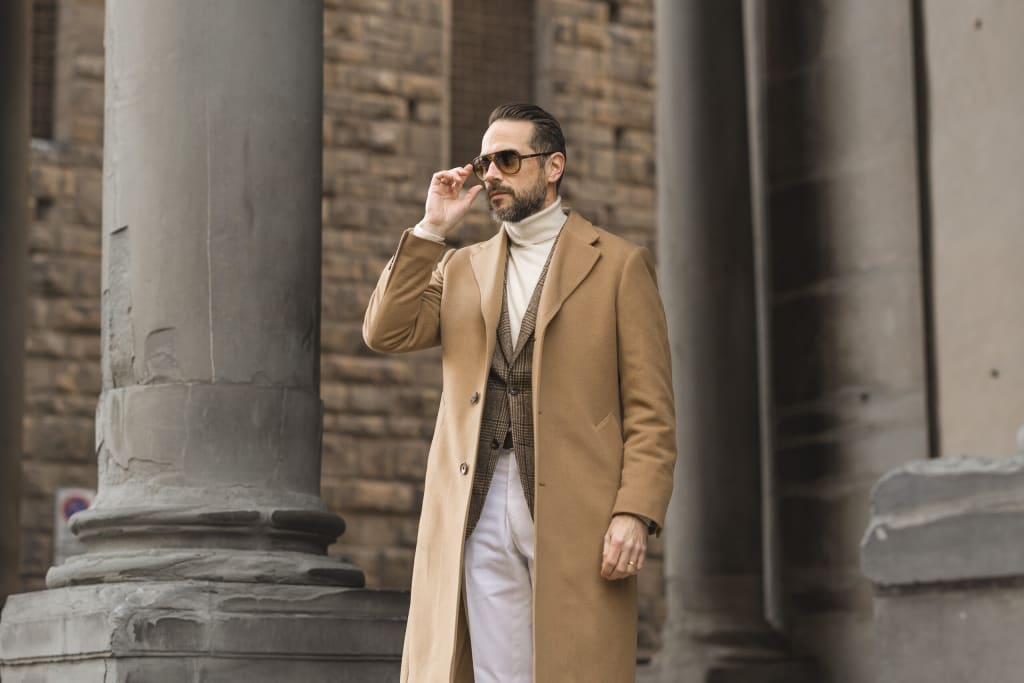
Growing consumer interest in premium quality, sustainability, and brand heritage is driving steady demand in the luxury fashion market, supported by digital transformation, rising disposable income among younger buyers, and expanding resale and vintage segments. According to IMARC Group's latest data, the global luxury fashion market size was valued at USD 253.25 Billion in 2024. Looking forward, IMARC Group estimates the market to reach USD 334.58 Billion by 2033, exhibiting a CAGR of 3.05% from 2025-2033. Europe currently dominates the market, holding a market share of over 35.1% in 2024.
Luxury fashion is moving through a shift. The old playbook of relentless price increases and logo-heavy branding is giving way to something more grounded in craft, sustainability, and real customer relationships. Clothing and apparel account for 50.7% of the market, with footwear and accessories making up the rest. Store-based retail still dominates at 74.6% of sales, though e-commerce is steadily closing the gap as brands invest heavily in digital showrooms and personalized online experiences. Women represent 42.2% of the end-user segment, though the lines between menswear, womenswear, and unisex categories continue to blur.
Luxury Fashion Market Growth Drivers:
- Younger Consumers Reshaping What Luxury Means
Gen Z and millennials now make up nearly half of luxury fashion buyers, and they are approaching these purchases differently than previous generations. According to industry data, 70% of U.S. consumers buy luxury goods or apparel annually, with one-third spending at least USD 1,000. But what matters to this group is not just the logo it is the story, the values, and the authenticity behind the brand. In 2024, Chanel opened its first AI-personalized boutique featuring virtual wardrobe curation for VIP clients, reflecting how brands are adapting to tech-savvy buyers. At the same time, 59% of luxury shoppers say they are willing to pay more for brands they trust, which explains why heritage and craftsmanship are getting more attention in marketing.
- Digital Platforms Making Luxury More Accessible
E-commerce accounted for over 24% of luxury fashion transactions in 2024, and that number keeps climbing. Mobile devices now drive 70% of all online fashion purchases, making it essential for brands to have seamless digital experiences. In March 2025, Nykaa Fashion expanded its luxury offerings by introducing Calvin Klein and Tommy Hilfiger, with over 2,000 styles available online a clear example of how digital-first platforms are bringing premium brands to markets that might not have flagship stores nearby. Social media and influencer partnerships are also playing a bigger role, with brands carefully curating collaborations that feel authentic rather than transactional. The shift to digital is not just about convenience it is about reaching younger, more diverse audiences who expect luxury to meet them where they are.
- Sustainability and Resale Changing the Business Model
The vintage and resale luxury market grew 9% in the past year, reaching approximately USD 37.95 billion. Consumers especially younger ones are increasingly viewing pre-owned luxury as smart, sustainable, and even more desirable than new pieces in some cases. Brands are responding by launching their own authenticated resale programs. Balenciaga and Oscar de la Renta now offer trade-in and resale services directly through their platforms, guaranteeing authenticity and keeping transactions within their ecosystem. Beyond resale, ethical sourcing and transparency matter more than ever. In April 2023, Emporio Armani partnered with Treedom to promote responsible resource use, tying product releases to environmental commitments. Roughly 61% of luxury shoppers now factor ethical considerations into purchase decisions, and brands that ignore this risk losing relevance with their core growth demographic.
Luxury Fashion Market Trends:
- Heritage Brands Returning to Their Archives
Some of the biggest momentum in luxury right now is coming from brands revisiting their own history. Chanel celebrated 50 years with Italian textile manufacturer Mantero by reissuing six archival scarves from the 1980s and 1990s as part of its cruise collection. Ralph Lauren, Armani, Coach, and Gucci have all launched curated vintage resale programs where customers can buy authenticated pieces directly from the brand. This is not nostalgia for its own sake it is a strategic response to consumers who want a story and a connection to what they are buying. Vintage luxury sales grew steadily as shoppers, especially younger ones, seek pieces with history and craftsmanship that feel more meaningful than seasonal trends.
- Major Creative Director Shifts Reshaping Brand Identities
The past year saw over 20 creative director changes across major fashion houses the most in recent memory. Matthieu Blazy moved to Chanel, Jonathan Anderson to Dior, Louise Trotter to Bottega Veneta, and Demna to Gucci. These were not lateral moves they were bets on creative vision that could redefine entire brands. Prada acquired Versace for approximately €1.5 billion, immediately bringing in Dario Vitale as creative director in April 2025. Though Vitale exited after just one season, the transaction itself reflected how serious consolidation has become. LVMH and Kering continue expanding through acquisitions, while independent brands like Stella McCartney are buying back stakes to regain full creative control. The industry is reorganizing around who can deliver consistent creative authority at scale.
- Collaborations Bringing Credibility Without Diluting Exclusivity
Designer collaborations are no longer experimental they are core strategy. JW Anderson with Uniqlo, Victoria Beckham with Mango, and Louis Vuitton partnering with 200-year-old tailor Charvet for its debut under Matthieu Blazy are all examples of how heritage brands are finding fresh relevance. In July 2023, Givenchy teamed up with Chinese influencer Mr. Bags to create an exclusive Voyou bag run available only via WeChat in China. These partnerships work because they are positioned as limited editions, creating desirability while maintaining the perception of exclusivity. About 50% of global consumers say exclusivity drives high-end brand image, which is why brands are careful to keep these collaborations tightly controlled and culturally relevant.
Recent News and Developments in Luxury Fashion Market
- April 2025: Prada Group completed its acquisition of Versace from Capri Holdings for approximately €1.5 billion, marking one of the largest luxury M&A transactions in recent years. Dario Vitale was appointed creative director in April, though he exited after just one season. The deal positioned Prada as a stronger competitor against LVMH and Kering, with the group's revenue reaching €3.1 billion in 2024 up 17% and outperforming most luxury peers despite broader market slowdowns.
- March 2025: Nykaa Fashion expanded its luxury portfolio by introducing Calvin Klein and Tommy Hilfiger, offering customers over 2,000 styles across menswear, womenswear, and accessories. The launch reflected rising consumer demand for premium international brands in India and broader Asia-Pacific markets, with digital-first platforms increasingly serving as entry points for global luxury labels in regions without extensive flagship store networks.
- February 2025: L'Oréal acquired a minority stake in French fashion brand Jacquemus and entered a long-term partnership to develop Jacquemus's beauty offerings. The deal highlighted the growing crossover between fashion and beauty, as luxury brands expand beyond apparel and accessories into fragrance, cosmetics, and wellness a strategy already proven successful by houses like Tom Ford, Chanel, and Hermès.
- December 2024: Saks finalized a USD 2.56 billion acquisition of Neiman Marcus, creating a new entity called Saks Global. The merger combined two of the largest U.S. luxury retailers under one umbrella, aimed at strengthening their collective negotiating power with brands and improving the overall luxury shopping experience through integrated digital and physical platforms. The deal reflected ongoing consolidation in luxury retail as standalone players face pressure from both digital competition and shifting consumer behavior.
Note: If you require specific details, data, or insights that are not currently included in the scope of this report, we are happy to accommodate your request. As part of our customization service, we will gather and provide the additional information you need, tailored to your specific requirements. Please let us know your exact needs, and we will ensure the report is updated accordingly to meet your expectations.
About the Creator
Suhaira Yusuf
I specialize in Consumer Insights, focusing on transforming detailed market data into strategic business solutions that accelerate growth and improve customer engagement.
Keep reading
More stories from Suhaira Yusuf and writers in Futurism and other communities.
Self Storage Market Trends: Urbanization, Space Constraints & Forecast to 2034
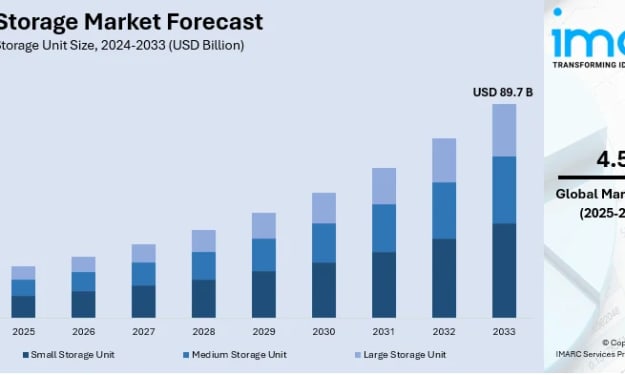
Rising urbanization, limited living space in major cities, and growing demand from small businesses and e-commerce operations are driving steady expansion in the self storage market, supported by lifestyle shifts, frequent relocations, and increasing preference for flexible, month-to-month storage solutions. According to IMARC Group's latest data, the global self storage market size was valued at USD 60.1 Billion in 2025. Looking forward, IMARC Group estimates the market to reach USD 89.7 Billion by 2034, exhibiting a CAGR of 4.5% during 2026-2034. North America currently dominates the market, holding a market share of over 47.8% in 2024.
By Suhaira Yusufabout 3 hours ago in Futurism
Stanislav Kondrashov Oligarch Series: Oligarchy and the Architecture of a Type I Civilisation
You like to think progress is inevitable. Technology improves. Systems get smarter. Humanity moves forward. But here’s the uncomfortable truth: progress at the scale of civilisation is not automatic. It is financed.
By Stanislav Kondrashov4 days ago in Futurism


Comments
There are no comments for this story
Be the first to respond and start the conversation.