
Saudi Arabia Eco-Friendly Cleaning Solutions Market: Sustainable Products, Green Regulations & Growth Outlook
How plant-based formulations, sustainable packaging innovations, and rising environmental awareness are driving product differentiation, regulatory compliance, and market growth across the Saudi Arabia eco-friendly cleaning solutions market.
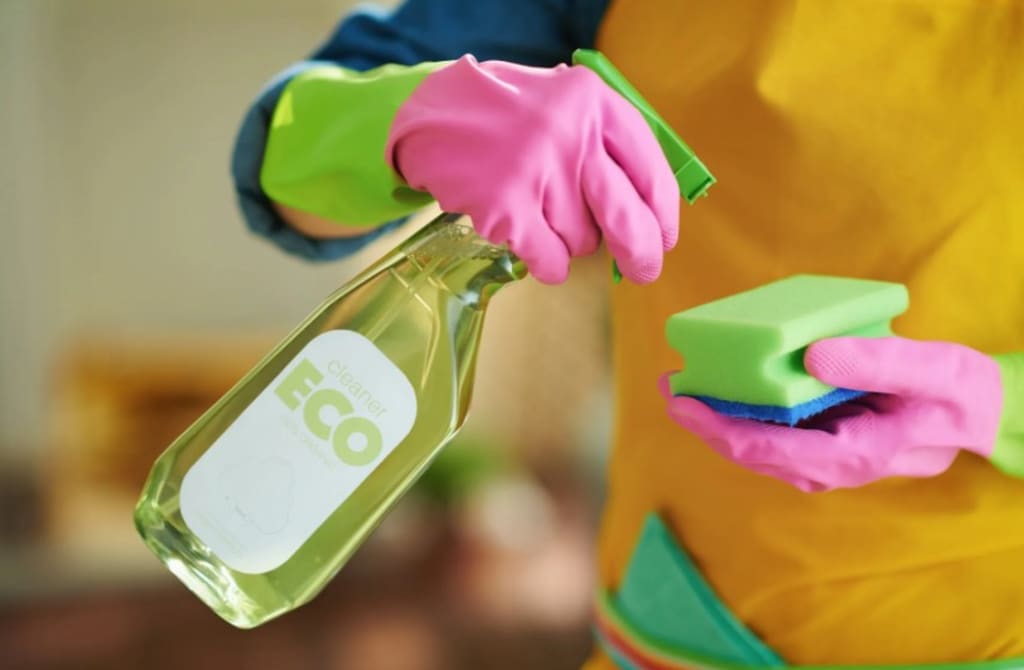
Saudi Arabia's eco-friendly cleaning solutions market is riding a wave of genuine environmental consciousness that's reshaping how households and businesses think about hygiene. Vision 2030's sustainability push isn't just policy rhetoric — it's translating into real consumer behavior shifts, with people actively seeking biodegradable, plant-based, and halal-certified cleaning products that align with both religious values and environmental responsibility. According to IMARC Group's latest data, the Saudi Arabia eco-friendly cleaning solutions market size was valued at USD 347.1 Million in 2025 and is projected to reach USD 931.30 Million by 2034, growing at a compound annual growth rate of 11.59% from 2026-2034.
What's driving this? A mix of factors: young, digitally-connected Saudis who care about sustainability, regulatory mandates requiring biodegradable surfactants in cleaning products (per the Saudi Standards, Metrology and Quality Organization's technical regulation enacted in 2023), and mega-projects like NEOM and the Red Sea Global developments demanding environmentally responsible cleaning solutions for their zero-carbon ambitions. The household segment dominates with 55.12% market share, reflecting urbanization trends and genuine health concerns — Saudi Arabia's obesity rate sits at 33.7% according to WHO data, and people are making smarter choices about chemical exposure at home. Liquid cleaners lead the format category at 50.15%, driven by ease of use and eco-friendly refill options that reduce plastic waste.
Saudi Arabia Eco-Friendly Cleaning Solutions Market Growth Drivers:
- Vision 2030 Policy Framework and Government Regulatory Support
The Saudi Green Initiative, backed by over USD 188 billion in committed investments across 85+ initiatives, is creating structural tailwinds for eco-friendly products. The government's commitment to reducing carbon emissions by 278 million tons annually by 2030 and achieving net-zero by 2060 isn't abstract — it's manifesting in technical regulations mandating biodegradable surfactants and incentivizing sustainable manufacturing. The National Center for Waste Management's goal to divert 90% of waste from landfills by 2040 further supports demand for biodegradable cleaning solutions. These aren't aspirations; they're binding frameworks reshaping procurement standards across government, commercial, and institutional buyers.
- Rising Health Consciousness and Indoor Air Quality Concerns
Saudi Arabia's wellness economy, valued at USD 19.8 billion as of 2024 according to the Global Wellness Institute, reflects a population genuinely concerned about chemical exposure and indoor health. With 33.7% obesity rates and rising diabetes prevalence, families are scrutinizing what goes into their homes. The healthcare sector allocated USD 7 billion between 2020 and 2024 for infrastructure expansion, creating institutional demand for non-toxic disinfectants that meet stringent hygiene standards without harmful residues. Vision 2030's nutrition education campaigns have accelerated this awareness, making eco-friendly cleaning products a natural extension of broader health-conscious lifestyle choices gaining traction across urban Saudi households.
- Expansion of Modern Retail and E-Commerce Infrastructure
The Saudi Arabia retail market is projected to reach USD 411.7 billion by 2034, and eco-friendly products are carving out meaningful shelf space in supermarkets, hypermarkets, and specialty stores. Electronic payments accounted for 79% of retail transactions in 2024, up from 70% in 2023 per Saudi Central Bank data, reflecting a digital-first consumer base comfortable with online purchasing. E-commerce platforms now offer unprecedented product variety and doorstep delivery, while cold-chain and logistics maturity ensures fresh eco-friendly products reach consumers reliably. Henkel's new Riyadh production facility and Ecolab's partnership with Stella Hospitality demonstrate how global manufacturers are localizing production to serve growing demand efficiently.
Saudi Arabia Eco-Friendly Cleaning Solutions Market Trends:
- Halal Certification and Cultural Alignment in Product Formulations
Halal compliance isn't a niche requirement in Saudi Arabia — it's table stakes. Manufacturers are pursuing dual certifications covering both halal principles and environmental sustainability, ensuring products align with Islamic values while meeting biodegradability standards. This includes transparent ingredient sourcing, cruelty-free testing methods, and ethically derived plant-based components. Companies like KAUST's biotech spinout WAYAKIT have developed cleaning solutions that are 90% biodegradable, non-toxic, and culturally appropriate. The trend extends beyond ingredients to packaging and marketing, with brands emphasizing traceability and origin stories that resonate with Saudi consumers seeking products reflecting their religious and environmental values simultaneously.
- Biotechnology Innovation and Local Manufacturing Capacity
Saudi Arabia is building genuine local capacity in green cleaning technology. KAUST's WAYAKIT spinout partnered with Saudi Ground Services in September 2023 to provide biodegradable aircraft cleaning solutions, transitioning from traditional quaternary ammonium products and now cleaning 7.5 million square meters using non-hazardous components. Henkel inaugurated a state-of-the-art Riyadh facility in 2024 producing powder detergents and disinfectants, supporting localization ambitions. These aren't just assembly operations — they're R&D-backed manufacturing centers developing formulations specifically for Gulf climates and usage patterns. The collaboration between SIRC, Edama Organic Solutions, and NADEC transforming over 1 million tons of agricultural waste annually into soil enhancers demonstrates the Kingdom's circular economy approach extending into cleaning product development.
- Mega-Project Procurement Standards Raising Industry Bar
NEOM's zero-carbon cities, Red Sea Global's sustainable tourism developments, and Diriyah's heritage district aren't just construction projects — they're establishing new procurement standards for the entire cleaning supplies ecosystem. These mega-projects require cleaning solutions meeting stringent environmental benchmarks for hospitality and facility management, creating a quality floor that's pulling the whole market upward. The projects collectively represent hundreds of billions in investment and ongoing operational demand for eco-friendly cleaning products. This institutional buying power is accelerating product innovation, forcing manufacturers to develop professional-grade formulations that match or exceed conventional chemical cleaners in performance while maintaining biodegradability. The effect cascades: what works for NEOM eventually finds its way into residential products.
Recent News and Developments in Saudi Arabia Eco-Friendly Cleaning Solutions Market
- August 2024: CloroxPro launched Clorox EcoClean Disinfecting Wipes globally, featuring 100% plant-based substrate and naturally-derived citric acid that kills 99.9% of germs without bleach, ammonia, or alcohol. Additionally, CloroxPro Arabia's Dammam and Jeddah plants achieved Zero-Waste-to-Landfill status a year ahead of target, with all waste now reused, recycled, or converted to energy — a concrete example of Vision 2030's circular economy principles in action within the cleaning products sector.
- 2024: Henkel inaugurated a state-of-the-art production facility in Riyadh, manufacturing powder detergents, disinfectants, and other cleaning solutions. The facility supports Saudi Arabia's industrial localization strategy under Vision 2030, reducing reliance on imports and creating local supply chains for sustainable cleaning products. This investment demonstrates multinational confidence in the Kingdom's long-term eco-friendly cleaning market trajectory and commitment to serving regional demand with locally-produced formulations.
- 2024: KAUST biotech spinout launched a non-toxic, chemical-free cleaner achieving 90% biodegradability with reduced cleaning time specifically designed for industrial settings in Saudi Arabia. The product reflects years of R&D tailored to Gulf region conditions and represents the Kingdom's push toward homegrown green technology solutions. Several key companies including KAUST, Eurotecks, and Cleantech Saudi Arabia are now actively manufacturing organic and sustainable cleaners for industrial and institutional applications locally.
- September 2023: WAYAKIT, a KAUST spinout, partnered with Saudi Ground Services to provide sustainable aircraft cleaning solutions across Saudi Arabia. Using WAYAKIT's biodegradable cleaner and disinfectant, SGS transitioned away from traditional quaternary ammonium-based products, achieving significant pollution reduction while now cleaning and disinfecting 7.5 million square meters using non-hazardous components. This partnership demonstrates how aviation — a historically chemical-intensive sector — can adopt eco-friendly alternatives at scale within the Kingdom.
Note: If you require specific details, data, or insights that are not currently included in the scope of this report, we are happy to accommodate your request. As part of our customization service, we will gather and provide the additional information you need, tailored to your specific requirements. Please let us know your exact needs, and we will ensure the report is updated accordingly to meet your expectations.
About the Creator
Shubham Sharma
Market research enthusiast sharing insights on global industries, emerging trends, growth opportunities, and data-driven analysis across diverse markets.
Keep reading
More stories from Shubham Sharma and writers in Futurism and other communities.
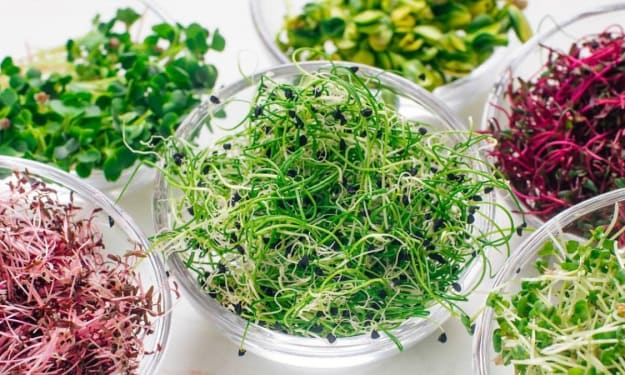
Saudi Arabia Microgreens Market: Urban Farming, Health-Conscious Consumers & Growth Outlook
Saudi Arabia’s geography may be mostly desert, but a quiet agricultural revolution is changing what local farms can produce. Microgreens those tiny, nutrient-packed seedlings harvested just 7 to 21 days after germination are gaining serious traction across the Kingdom, fuelled by a health-conscious population, a booming hospitality industry, and government programmes squarely focused on food self-sufficiency. According to IMARC Group’s latest data, The Saudi Arabia microgreens market size reached USD 18.5 Million in 2025. Looking forward, IMARC Group expects the market to reach USD 41.4 Million by 2034, exhibiting a growth rate (CAGR) of 9.41% during 2026-2034.
By Shubham Sharma 2 days ago in Futurism
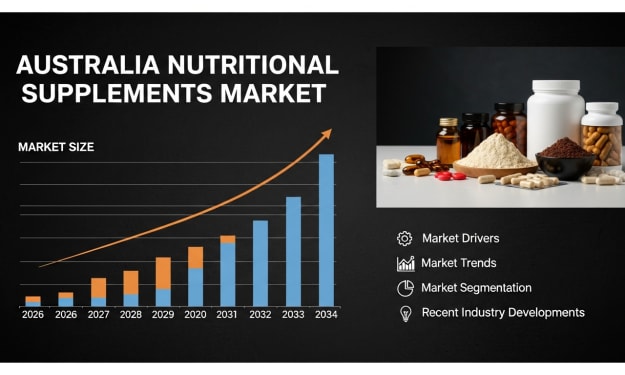
Australia Nutritional Supplements Market: Health Awareness, Product Innovation & Retail Expansion
According to IMARC Group, the Australia nutritional supplements market reached a value of USD 14.5 Billion in 2025 and is projected to expand to USD 28.8 Billion by 2034, exhibiting a compound annual growth rate (CAGR) of 7.64% during 2026–2034. This strong growth reflects a structural shift toward preventive healthcare, proactive wellness management and lifestyle-driven nutrition across Australia. Nutritional supplements—including vitamins, minerals, protein powders, herbal extracts and specialty formulations—are increasingly integrated into daily health routines. Consumers are no longer viewing supplements as occasional remedies but as long-term wellness investments. Rising health awareness, rapid product innovation and expanded retail accessibility are transforming the market into a dynamic, value-driven ecosystem.
By Shrestha Roy7 days ago in Futurism
Contract Packaging Market Outlook: Sustainability, Cost Efficiency & Industry Forecast to 2033
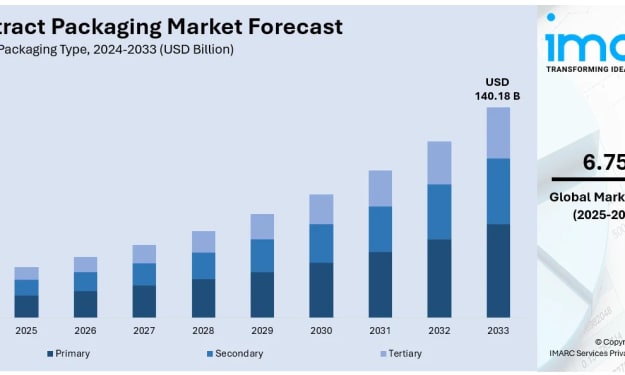
Businesses are increasingly outsourcing packaging to focus on core strengths while tapping into specialized expertise and cutting-edge technology. The rise of e-commerce, demand for sustainable solutions, and growing need for customization are reshaping how products get to market. According to IMARC Group's latest data, the global contract packaging market size was valued at USD 72.98 Billion in 2024. Looking forward, IMARC Group estimates the market to reach USD 140.18 Billion by 2033, exhibiting a CAGR of 6.75% from 2025-2033.
By Andrew Sullivan3 days ago in Futurism

Comments
There are no comments for this story
Be the first to respond and start the conversation.