
Smart Door Locks: Safe or Risky? The Hidden Truth They Don’t Advertise
They’re sleek, high-tech, and super convenient. But are smart locks really as secure as they seem?

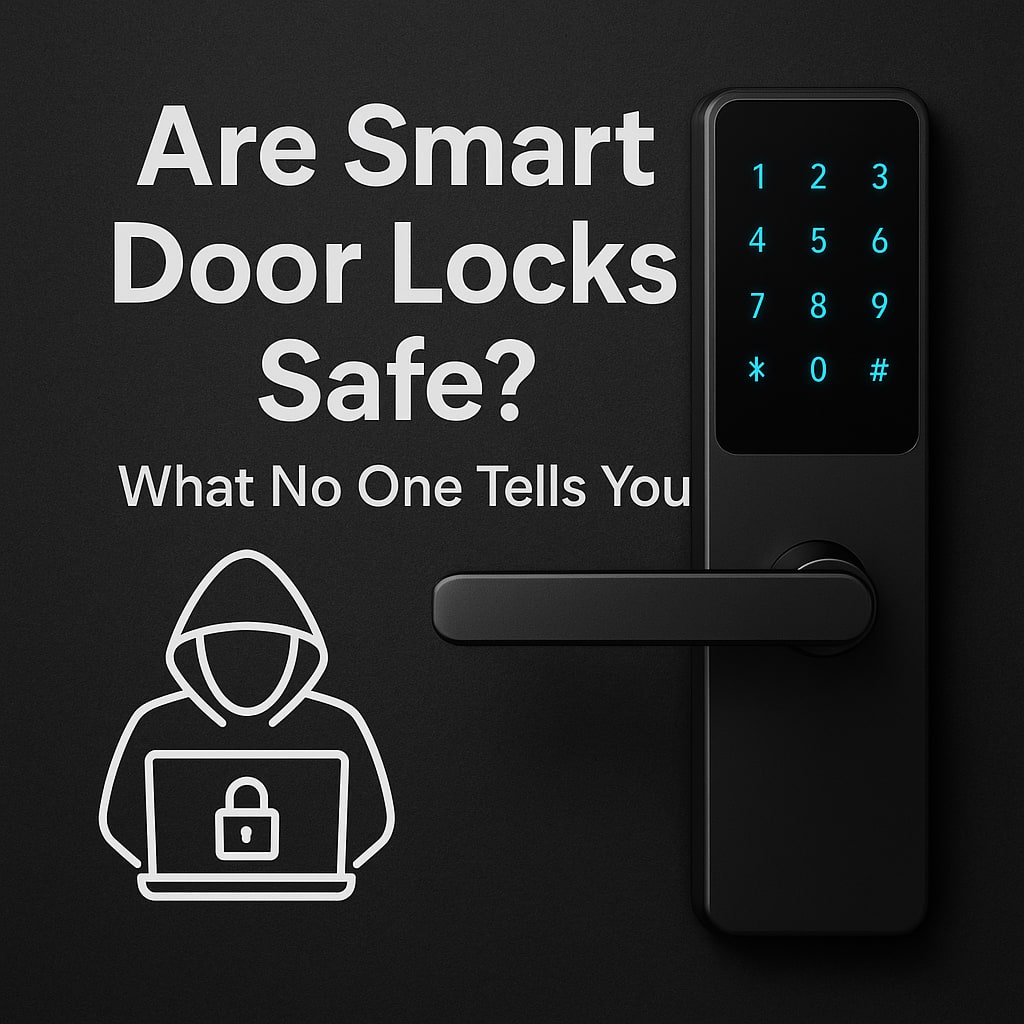
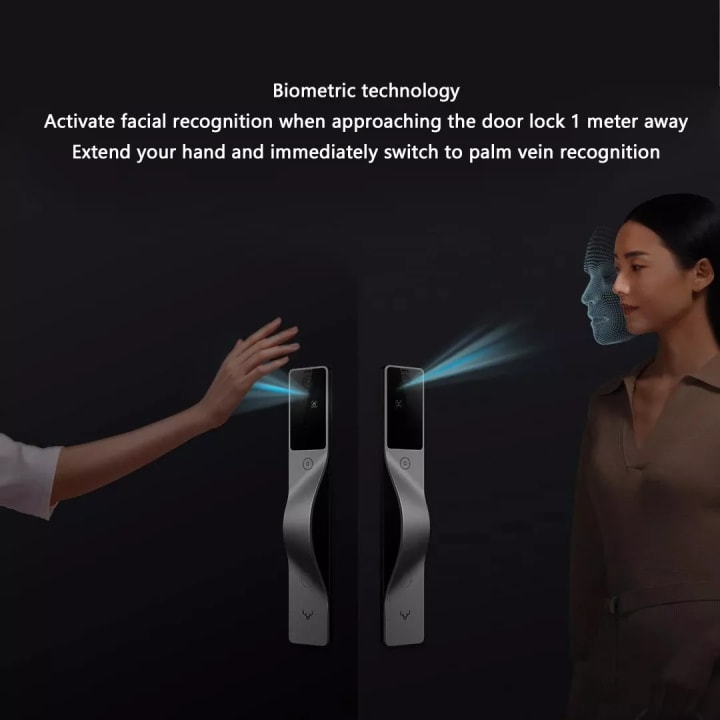
Imagine coming home after a long day. You’re juggling groceries, it’s raining, and you just want to get inside. Instead of fumbling for keys, you reach out, the lock scans your palm or your face, and the door clicks open. That’s the pitch. Clean. Seamless. Futuristic. But here’s the thing — is it actually safe?
That’s the question more people should be asking.
Smart locks sound brilliant — until you start thinking like a burglar
We love convenience. But convenience often comes with a trade-off. Traditional locks can be picked, sure. But they don’t depend on electricity, WiFi, apps, batteries, or biometrics. They’re dumb — and sometimes that’s their strength.
Smart locks, on the other hand, are part of a growing ecosystem of connected devices. They're like little computers on your door. And computers can fail. They can get hacked. They can crash.
That’s not a deal-breaker. But it’s not something you’ll hear in most ads, either.
The upsides are real
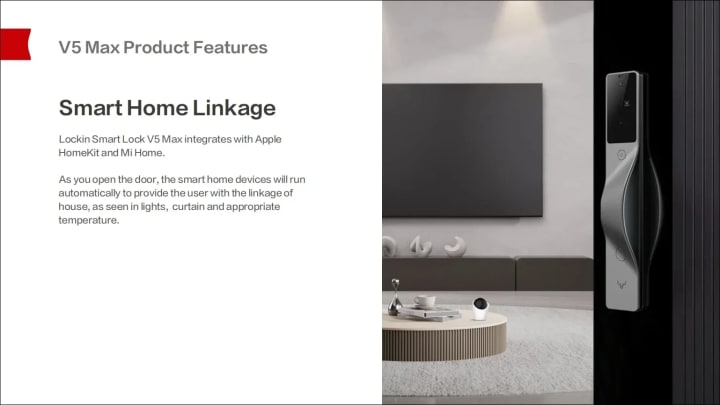
To be fair, smart locks solve a lot of daily annoyances. Lost keys? Doesn’t matter. You can use your phone or fingerprint. Letting in guests when you're not home? Easy. Temporary codes and app control take care of it. Wondering if you locked the door on your way out? Check the app.
It’s a real shift — from static, mechanical security to dynamic, user-driven control.
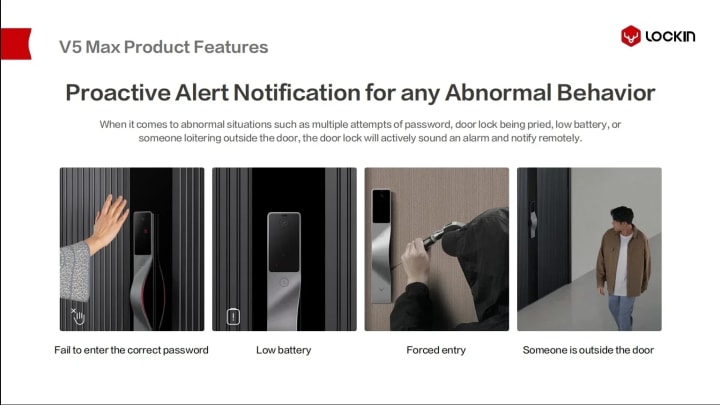
Some systems are incredibly smart. They recognize your face even in low light. They log who comes and goes. They can even ring your phone when someone’s at the door. For the right kind of person — maybe someone managing an Airbnb, or a busy family with teenagers — this is gold.
But again, back to that trade-off.
What happens when tech gets in the way?
Let’s talk about reliability. A mechanical lock wears down after years. A smart lock can go dead in the middle of a power outage. What then?
Better models have backup keys or emergency power ports. But not all of them. And let’s be honest — when something doesn’t work, it always happens at the worst time.
Then there’s the question of updates. Some smart locks rely on firmware patches to stay secure. If the company behind your lock stops supporting it, what then? It’s not like you can patch it yourself. You’re stuck with a door lock that hasn’t had a security update in years.
Biometrics: magic or marketing?
Palm vein recognition. 3D face scanning. These sound impressive. And in most cases, they are.
Biometrics can be faster and harder to fake than passwords. But they’re not infallible. Facial recognition might not work if your lighting is off. Fingerprints can fail if your hands are sweaty or dirty. Palm vein tech? Cool, but niche. Not every model gets it right.
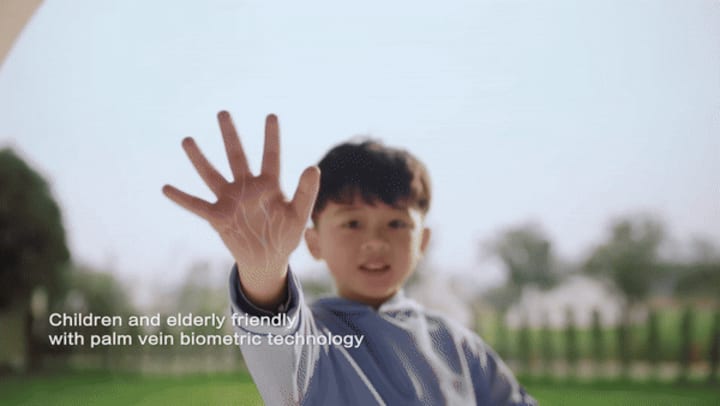
And once your biometric data is compromised — well, you can’t exactly change your face.
Some models store data locally, which is safer. Others sync it to the cloud. If you're trusting a third party with your biometric data, you'd better know how they handle it.
Local storage means your biometric data stays on the device, reducing external breach risk. Cloud-based systems need robust encryption and clear privacy policies — or your data could be exposed if their servers are compromised.
Hacking is real — but so is poor user setup
A lot of hacking isn’t movie-style genius. It’s more about weak passwords, outdated apps, or people using the same code everywhere. If your smart lock is paired with a weak WiFi password, that’s a risk. If your admin account still says “admin,” that’s a risk.
Most break-ins don’t require high-tech hacks. Criminals go for the easy wins. If your front door lock is state-of-the-art but your windows are wide open, you’re not secure. If you leave access codes in plain sight, you’re not secure.
So, what kind of safety are we really talking about?
There’s physical safety. There’s digital safety. There’s the kind of safety you feel when you can check your door lock status from another country. And then there’s the illusion of safety — when you assume something high-tech must be foolproof because it looks futuristic.
No system is unbreakable. But layered security helps. A smart lock with biometrics, alerts, and remote access is safer than a regular lock — if it’s set up well and kept up to date. That’s the key.
Who should think twice before switching?
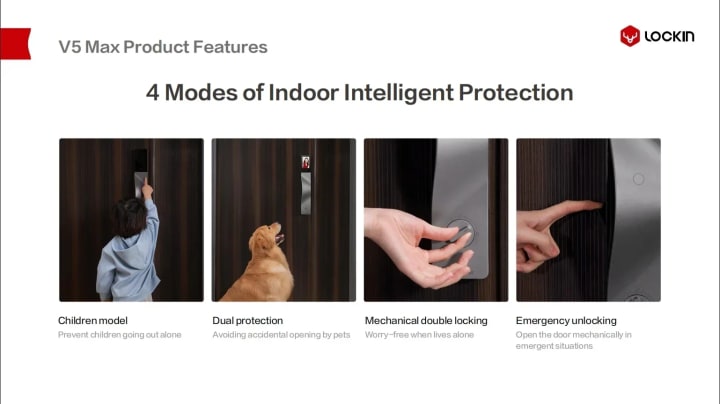
If you rent and can’t replace hardware, you might be stuck. If your internet is unreliable, your smart lock might be, too. If you’re not tech-savvy and tend to ignore app updates or skip instructions, you could end up locked out — or worse, vulnerable.
And if you’re someone who just wants a simple solution with no learning curve, this might not be the move.
But if you do go smart, go smart about it
Here’s a short list of what actually matters:
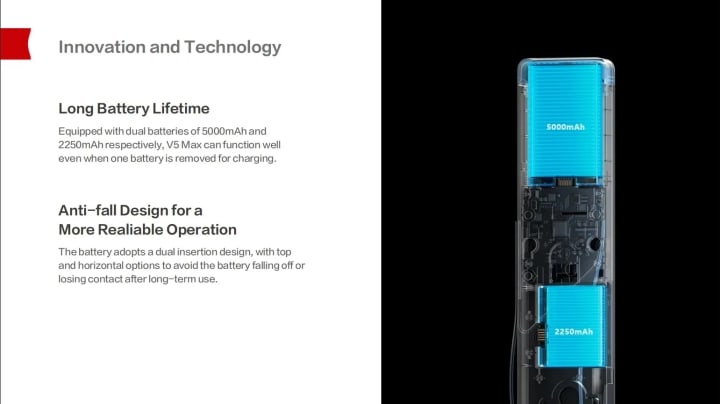
- Battery life: Check how long it lasts and how you’ll know when it's low.
- Backup options: Is there a keyhole? Can you use a power bank in an emergency?
- Data storage: Are your fingerprints or facial scans stored locally, or on a server?
- App security: Is there two-factor authentication? Is the app still being updated?
- Door compatibility: Will it fit your door's size, direction, and material?
And yes — read the manual. Even if you think you don’t need to.
Sometimes, it’s not about the lock at all
Security is a system. A smart lock is one piece. Lighting, visibility, cameras, neighborhood watch groups, even the way your home looks from the outside — all these play a role.
You don’t need the fanciest gadget. You need something that works well for you, in your space, with your habits. Some folks need facial recognition. Others are fine with a keypad.
Just like with anything else — you don’t buy a car just for the engine. You buy it because the whole thing fits your life.
Okay, so… are they safe?
Short answer: Yes. With caveats.
Smart locks can be safer than traditional locks. But they’re only as good as how you use them. Like any tech, they require maintenance, attention, and a little common sense.
They’re not for everyone. But for the right people, they can be a game-changer. That doesn’t mean you should throw out your old lock today. But it might mean it’s time to rethink what safety looks like.
Final thought
This isn’t about scaring you off smart locks. It’s about making sure you're thinking critically.
Security isn’t just about having a cool gadget on your door. It’s about feeling safe, being prepared, and staying informed. And if a smart lock helps with that? Then it’s doing its job.
About the Creator
Keep reading
More stories from The Reliable Guy and writers in Futurism and other communities.
Australia 3D Printing Market: Industrial Adoption, Material Innovation & Application Expansion
According to IMARC Group, the Australia 3D printing market reached USD 672.3 Million in 2025 and is projected to expand to USD 2,773.3 Million by 2034, exhibiting a strong compound annual growth rate (CAGR) of 17.05% during 2026–2034. This rapid expansion highlights the accelerating adoption of additive manufacturing technologies across industries in Australia. Once limited to prototyping, 3D printing is now transforming full-scale production, healthcare innovation and aerospace engineering. As industrial modernization advances and material science breakthroughs expand application possibilities, 3D printing is becoming a core pillar of Australia’s advanced manufacturing ecosystem.
By Shrestha Royabout 17 hours ago in Futurism


Comments
There are no comments for this story
Be the first to respond and start the conversation.