scifi movie
The best science fiction movies from every decade.
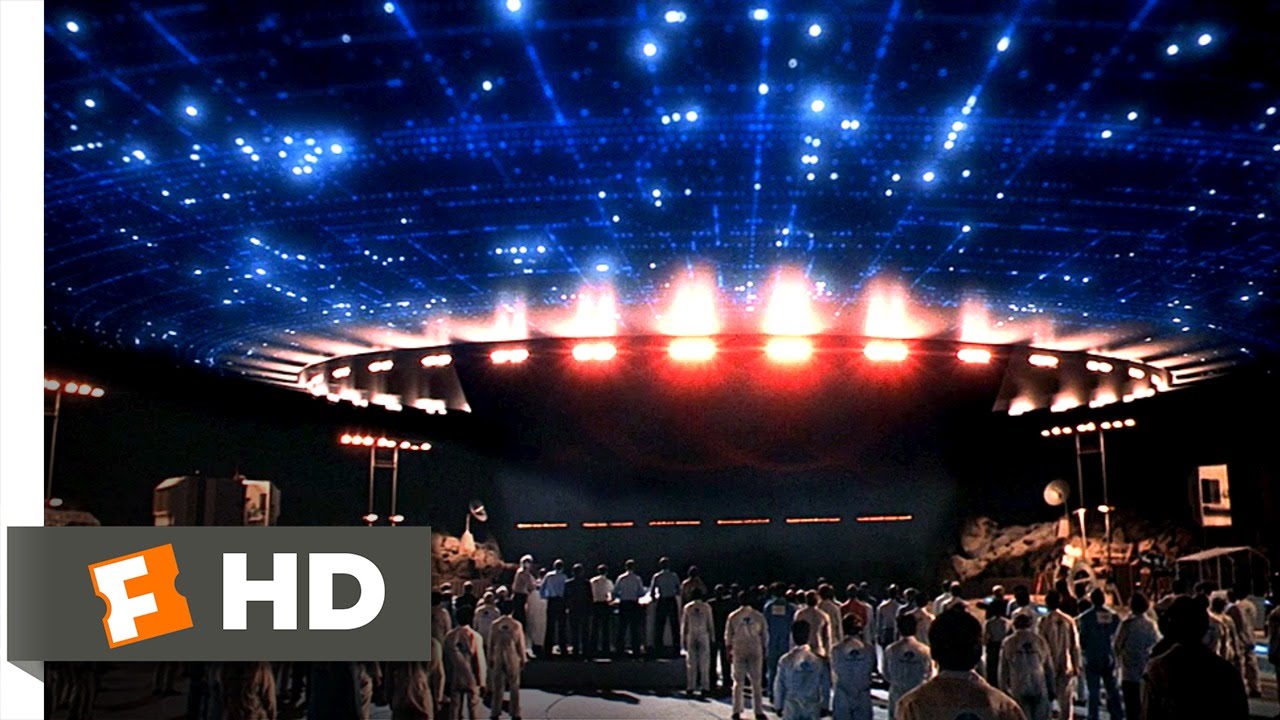
'Close Encounters of the Third Kind' Holds Up
What made the movie special was the way it approached the topic of first contact. It was not through the typical science fiction fare and space battles we have come to expect from 21st century Hollywood. Much like 2016's, Arrival, nearly 30 years earlier, 1977's Close Encounters of the Third Kind took a very original and very cerebral approach to sci-fi storytelling. Rather than the challenges of interspecies linguistics, the film used music as the unifying language between man and extraterrestrials. This theory was later explored by then OMNI editor Claire Evans. Perhaps the success of Arrival is why Close Encounters of the Third Kind holds up for me. Sci-fi films that, at their core, are not relying on special effects but rather challenge the intellect in a more organic fashion often best stand the test of time.
By Mike Mavenful9 years ago in Futurism
Q&A With Brett Ryan Bonowicz, Director of 'The Perfect 46'
In The Perfect 46, genetic engineers match couples by their genome to create perfect babies. Whit Hertford plays the CEO of The Perfect 46, Jesse Darden, who wants people to choose their partners logically rather than falling in love. Darden believes genetically compatible couples will create babies resistant to disease. Society lashes out against The Perfect 46, leading to a home invasion of Darden's residence.
By Natasha Sydor9 years ago in Futurism
'Rogue One,' Take Two for 'Star Wars'
***This article contains major spoilers. If you haven’t seen the movie yet, this is your only warning.*** Rogue One: A Star Wars Story is a movie that gets it right! For the first time in more years than I care to remember, I left the theater genuinely in awe and wonder after a Star Wars movie. Episode 7: The Force Awakens was a fun movie, but it had nowhere near the same emotional impact as Rogue One. The performances are great, the real-world celebrity and Star Wars celebrity cameo character appearances are a huge treat, and the suspense is real. Unlike Episode 3 where everyone knew exactly how the plot would turn out, all anyone knows about Rogue One is that it’s about the mission to steal the Death Star plans, which leads to the destruction of the Death Star in Episode 4.
By Zach Foster9 years ago in Futurism
Scientific Romances in the Atomic Age
The resolution to the War in the Pacific in 1945 threw a wholly new anxiety onto the shoulders of the world: the heretofore impossible spectre of actual global annihilation. The atomic bombings of Hiroshima and Nagasaki culminated a trend begun with The Great War. In that first conflict, the "Christian Century" of infinite moral progress was crushed beneath the violence of technological warfare predicted by the likes of H.G. Wells, George Tomkyns Chesney, and the other 19th century writers of doomsday invasion stories. Often they predicted an apocalyptic outcome to the oncoming war, but humanity's execution was blessedly stayed in 1919. Even with advances in tank, aeroplane and explosive technologies, truly obliterating humanity was beyond humanity's power.
By Cory Gross9 years ago in Futurism
OMNI's Early Review of Star Wars Rogue One
Of all the things Turkey is known for, early theatrical releases of international blockbusters isn't one. And yet--Turkey debuted Rogue One on December 14th, 2016...two days ahead of the U.S. release date. Which means, if you live in Turkey (and I do) then you're ahead of the pack!
By Matt Cates9 years ago in Futurism
Interview with 'Floaters' Creator Jeremy Solterbeck
Space: the Final Frontier. Or... is it? While space travel has consistently been depicted in science fiction and popular culture as an exclusivity attainable by elite scientists, engineers, and air force pilots, Floaters poses an interesting predicament: what if ordinary people went to space?
By Natasha Sydor9 years ago in Futurism
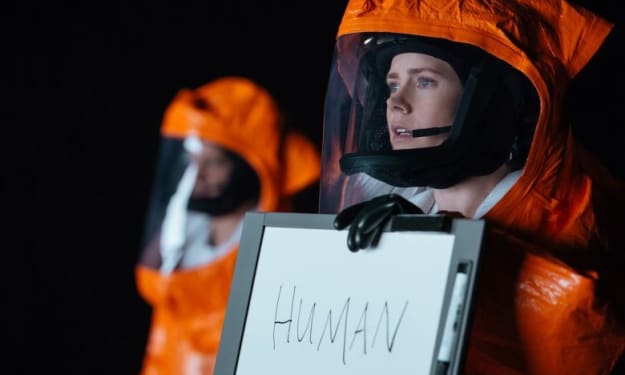
Mental Time Travel: Is the Plot of Arrival Coherent?
Time travel is a bit of a trope in sci fi. The device has been used in literature since ancient times, with Hindu mythology portraying people going far into the future. This kind of travel isn’t logically impossible – in fact, with Einstein’s discovery of relativity, we must accept this discrepancy between personal and external time as a necessary feature of reality. The faster an object travels, the slower its time moves: ISS astronauts returning from missions have aged slightly less than had they remained on earth (due to different accelerations).
By Ed Venables9 years ago in Futurism
The Mightiest Motion Picture of Them All
After several years of production, design and location shooting, Walt Disney released his first Hollywood produced live-action motion picture in 1954. If the advertising was to be believed, it was in fact the mightiest motion picture of them all. Considering that the film was 20,000 Leagues Under the Sea, this is a credible claim.
By Cory Gross9 years ago in Futurism