
Bourbon Coffee: A Symphony of Genetic Diversity, Flavor, and Quality
One of the most celebrated types of Arabica. This kind of coffee is loved because of its delicious taste and rich history.

Where Does Bourbon Coffee Come From?
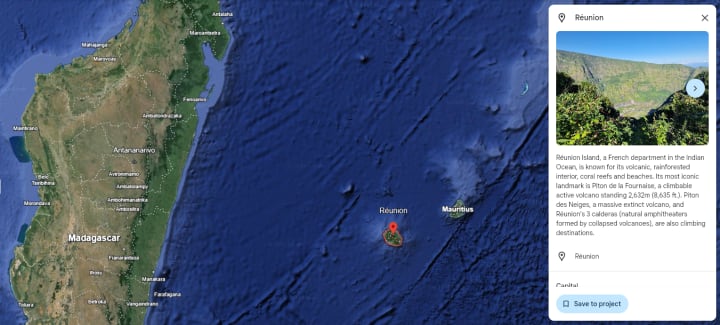
Bourbon story begins in the 16th century in Yemen and southwest Ethiopia. French explorers brought the coffee plant to the island of Réunion (Île Bourbon). By 1860, Bourbon coffee reached Brazil and quickly spread throughout Central and South America.
What Does a Bourbon Coffee Plant Look Like?
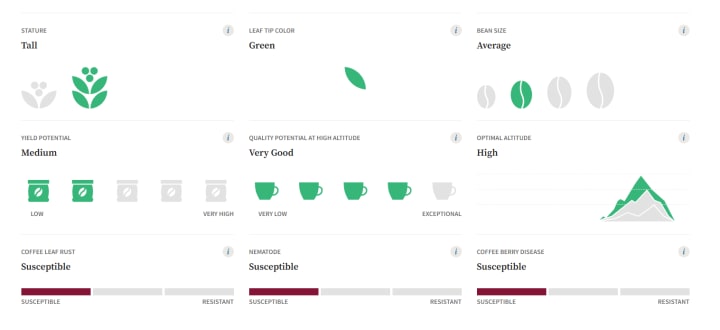
- Type: Arabica
- Leaves: Oval-shaped and dark green
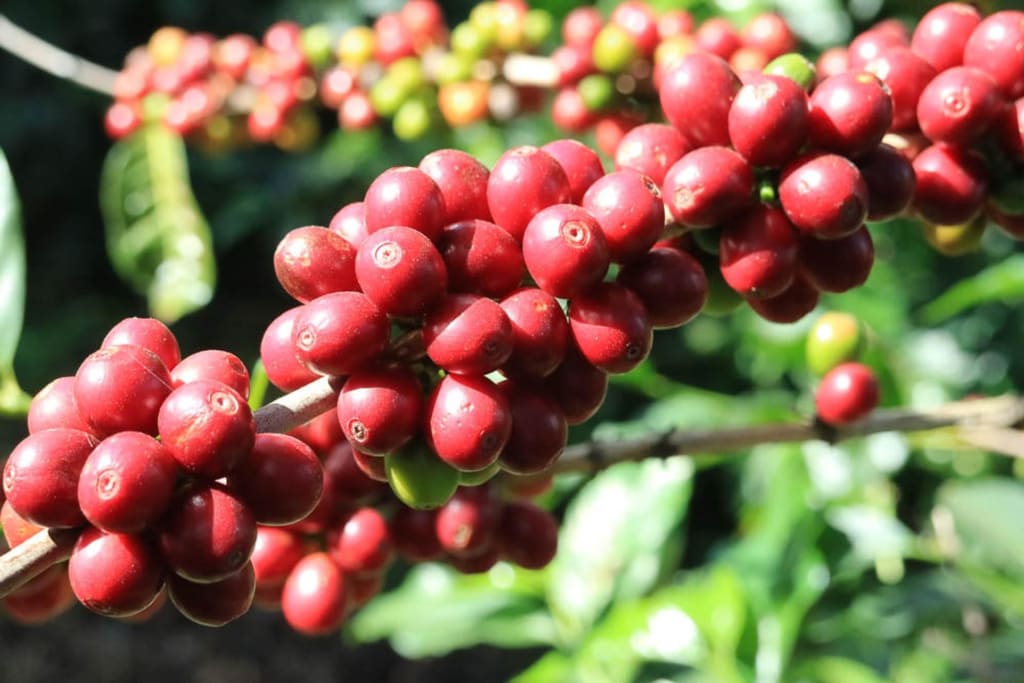
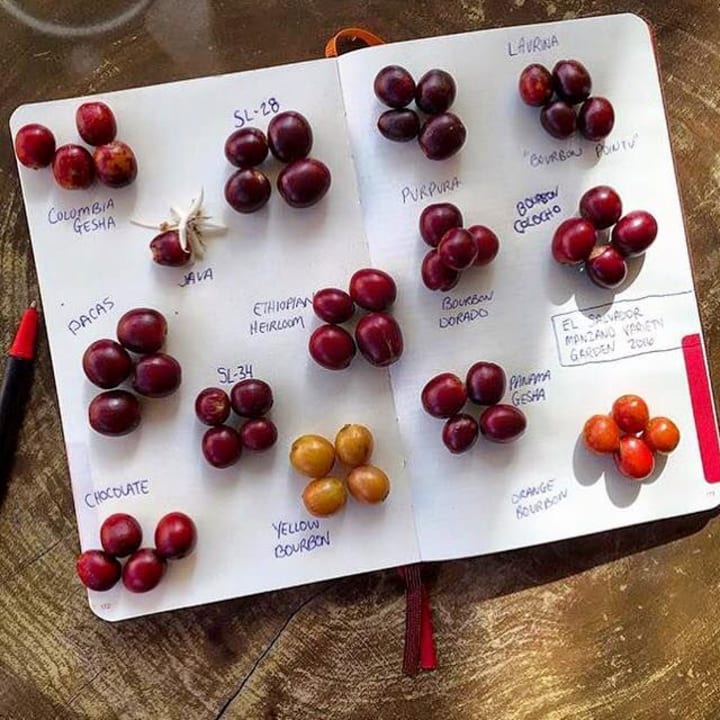
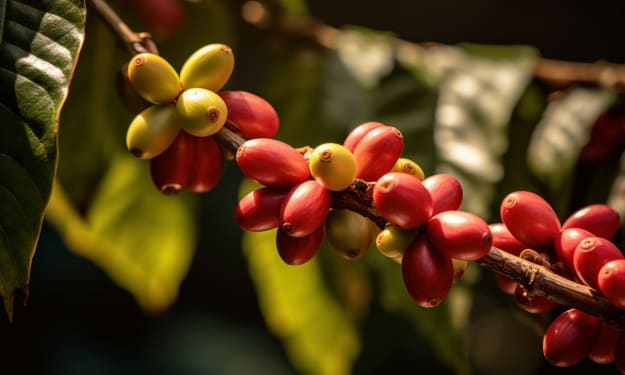
- Fruit: Round and usually red (can also be yellow or orange)
- Beans: Medium-sized
- Yield: Produces a good amount of coffee cherries
- Quality: high-quality
- Disease Resistance: Fairly resistant to diseases
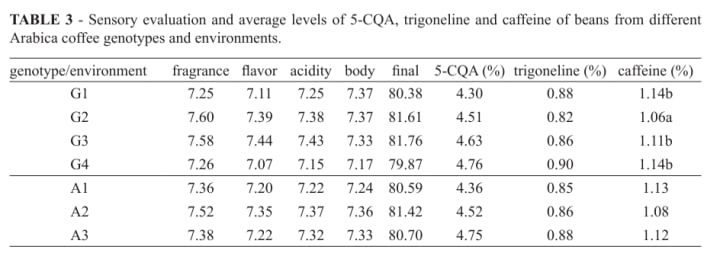
Bourbon Coffee Flavor and Chemistry Composition
- Aroma: Notes of fruit, caramel, and flowers.
- Taste: balance of sweet and acidic.
- Overall: Full-bodied, smooth, complex flavour.
Here's what makes Bourbon unique:
- Caffeine: moderate, not overly bitter.
- Chlorogenic Acid (CGA): This natural compound makes the coffee taste even better and provides health benefits.
- Other Compounds: Contains citric and malic acids, which gave complex, interesting flavour.
Where is Bourbon Coffee Grown?
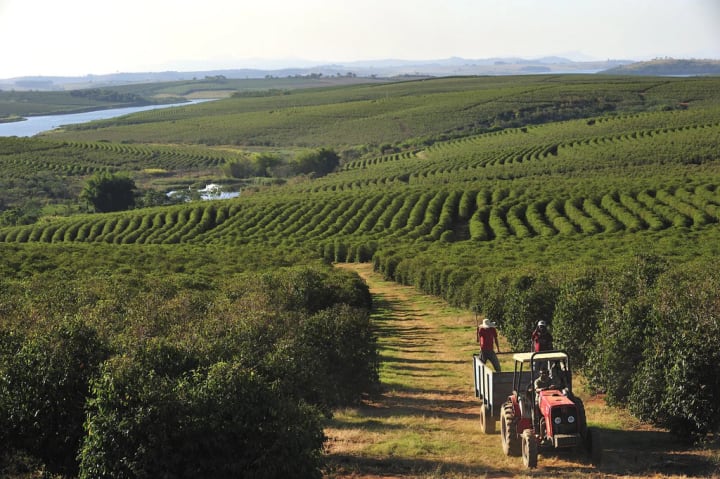
You can find Bourbon farms in many parts of the world:
- Africa: Ethiopia, Burundi, Rwanda
- Central America: El Salvador, Guatemala, Honduras
- South America: Brazil, Colombia
- Asia: Indonesia
- Caribbean: Puerto Rico
Bourbon: Key Varietals and Relatives
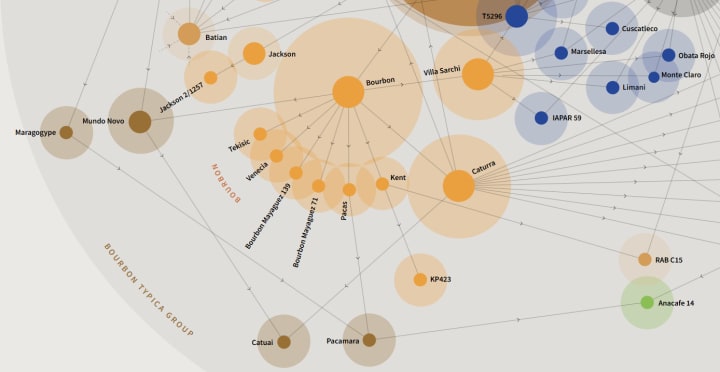
Bourbon, prized for its complex flavour and high quality, forms the foundation for numerous specialty coffee varietals. Here's a breakdown of key Bourbon varietals and their genetically related cousins:
Key Bourbon Coffee Varietals:
- Villa Sarchi: Costa Rica, sweet flavour, floral aroma, and mild acidity.
- Caturra: A natural mutation of Red Bourbon in Brazil, higher yields but need more intensive care.
- Kent: India, Kent is resistant to coffee leaf rust, lower yields.
- Pacas: El Salvador, high quality, sweet flavour, and complex aroma.
- Bourbon Mayaguez 71: Bred in Puerto Rico, this varietal demonstrates high yields and good disease resistance.
- Bourbon Mayaguez 139: Also from Puerto Rico, Mayaguez 139 exhibits resilience against pests and challenging weather conditions.
- Venecia: A less common varietal originating in Colombia, Venecia boasts fruity notes and bright acidity.
- Tekisic: Developed in El Salvador, Tekisic provides high yields and good cup quality.
- Mundo Novo: Hybrid of Bourbon and Typica. High yields, full body, complex flavour, and good adaptability.
Bourbon Coffee Genetically Related Varietals:
Several other popular coffee varietals have Bourbon in their lineage or have been crossed with Bourbon coffee to enhance quality and yields:
- Catuai: Mundo Novo (Bourbon X Typica) X Caturra (Bourbon mutation).
- Pacamara: Pacas (Bourbon varietal) X Maragogype (Typica mutation).
- KP423: A hybrid of Kent (a Bourbon varietal) and Typica.
- Anacafe 14: A cross between Bourbon, Typica, and Mundo Novo (which contains Bourbon).
- Catimor Group: Crosses between Caturra (a Bourbon mutation) and Timor Hybrid (which contains Robusta).
- Sarchimor Group: Crosses between Villa Sarchi (a Bourbon varietal) and Timor Hybrid (which contains Robusta).
The Future of Bourbon Coffee
Bourbon faces challenges from climate change and diseases, just like other crops. However, it's a solid and adaptable plant. As more consumers discover the world of specialty coffee, Bourbon is well-positioned for a bright future.
Here's why:
- High Demand for Quality: Consumers are more and more looking for high quality coffee, and Bourbon meets their criteria.
- Unique Flavor Profile: Bourbon is a favourite among coffee lovers because of its distinct taste, balanced sweetness and acidity.
Conclusion:
Bourbon coffee is a taste of history and a testament to the hard work of coffee farmers. Bourbon linage is beloved and sought after for years because of its rich aroma, complex flavour, and adaptability.
About the Creator
Pham Duc Toan
Family, strong bonds, and the perfect cup of coffee—that's my world. I'm sharing my experiences, the good, the challenging, and the deep thoughts.
Keep reading
More stories from Pham Duc Toan and writers in FYI and other communities.
Typica Coffee : Queen of the Coffee World
One variety in the vast world of coffee stands out as a true OG: Typica. This grandmama of Coffea Arabica has been around for ages, and its genetic fingerprints can be found in many other varieties that we enjoy today. Typica might not produce a ton of beans, but what it lacks in quantity, it makes up for in quality. Its beans are prized by coffee lovers for their unique flavor.
By Pham Duc Toanabout a year ago in FYI



Comments
There are no comments for this story
Be the first to respond and start the conversation.