
China’s Military: Is the Sleeping Giant Really That Strong?
Exploring 5 Reasons the PLA Might Be Weaker Than It Appears

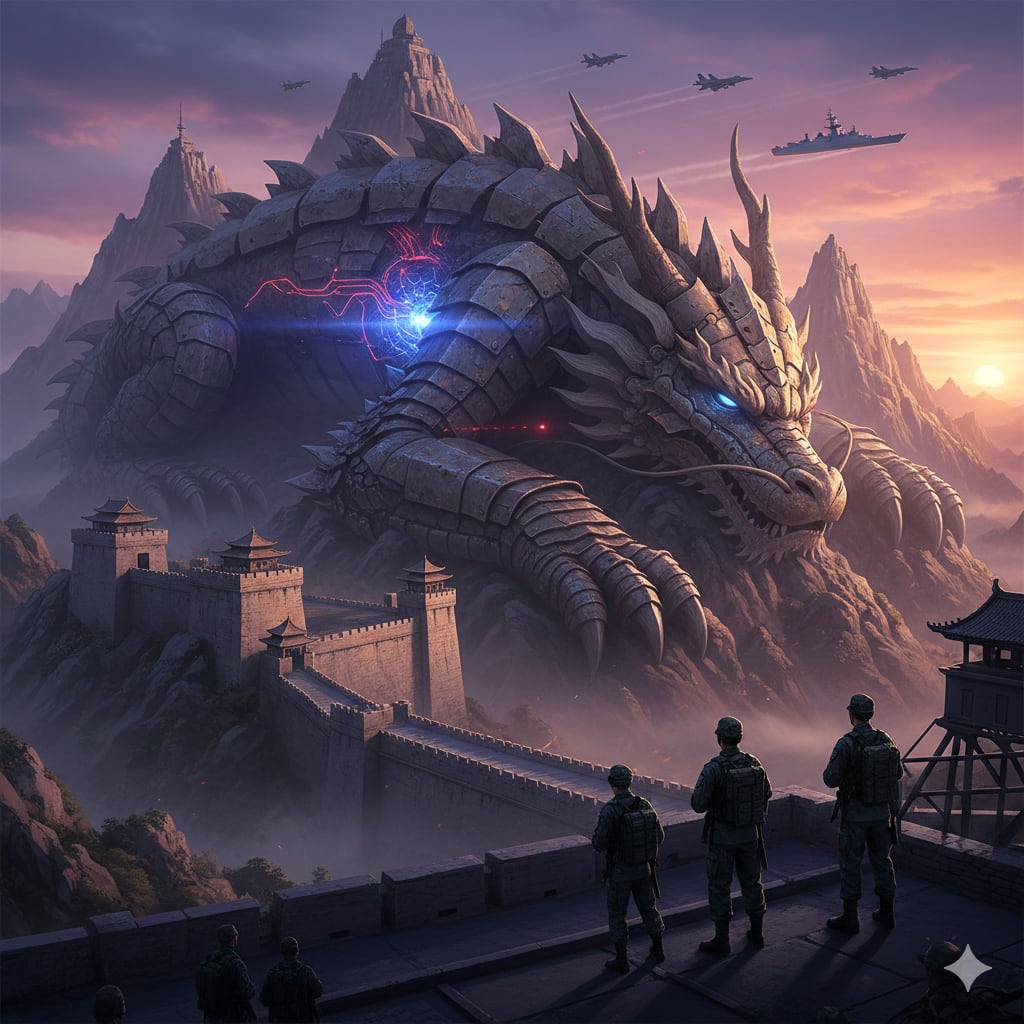
China, often dubbed the Sleeping Giant, is one of the few developed nations with a massive armed force that overshadows many of its Asian neighbors. With over 2.3 million active personnel and another 800,000 in reserves, it might seem unstoppable at first glance. But when you look closer, cracks in its military armor start to appear. Here are five reasons why China’s military might not be as strong as it seems.
1. Weak Foundations
Despite impressive modernization efforts, China’s military, officially the People’s Liberation Army (PLA), still suffers from structural weaknesses. A report by the U.S. Congress’s US-China Economic and Security Review Commission highlights issues like poor command structures, low-quality personnel, and corruption at top levels.
These problems make joint military operations with other nations challenging. Even simple logistics, like moving tanks, rely on outdated methods such as cargo trains, a system reminiscent of World War I mobilization, rather than modern, air-integrated troop movement.
Additionally, while China possesses nuclear weapons, the PLA’s questionable ability to introduce and integrate modern weapon systems makes accidental mishaps or worse highly concerning. The report also flags vulnerability to cyberattacks, which could disrupt everything from missiles to aircraft.
2. Confusing Loyalties
Unlike most countries, where the military serves the nation, the PLA pledges loyalty to the Communist Party, not China itself. This political allegiance raises questions about the chain of command in times of war.
Top-ranking officers are also party members, making the PLA more of a party army than a national one. Without a clear joint command system, communication between branches like the army, navy, and air force can break down, a critical disadvantage in modern warfare.
3. Poorly Equipped Soldiers
The Pentagon reports that equipping a single U.S. soldier costs about $17,500, including modern gear and body armor. In contrast, a PLA soldier is allocated roughly $1,500, half of which goes to a gun.
Much of China’s $120 billion annual military budget goes toward modifying outdated equipment, leaving soldiers with gear that can be unreliable and dangerous. Even aircraft carriers, a symbol of naval power, are often refurbished imports, not domestically produced, and prone to technical failures.
4. Training That Prioritizes Politics Over Combat
China recruits over 6 million individuals yearly, but most of these “warriors” are college freshmen attending mandatory lecture-based training. Instead of combat preparation, the focus is on political indoctrination, teaching party doctrine, and revolutionary literature.
Ground troops rarely see real combat, their last major engagement being the 1989 Tiananmen Square incident. In essence, soldiers are trained more to support the Communist Party politically than to fight effectively.
5. Low Recruiting Standards
Recruitment standards have fallen over the years. In Beijing, 60% of applicants fail basic physical and medical exams, often due to poor eyesight, weak physiques, or obesity. To meet quotas, the PLA lowered requirements in 2008 and again in 2011, resulting in soldiers who are not fully combat-ready.
Poor recruitment combined with weak training and outdated equipment paints a picture of a military that is imposing in numbers but lacking in effectiveness.
Bottom Line
While China may have the world’s largest standing army, its structural weaknesses, confusing loyalty system, poor equipment, political training, and low recruitment standards raise serious doubts about its true strength. The Sleeping Giant may roar loudly on paper, but in reality, it could be far less intimidating than it seems.
About the Creator
Areeba Umair
Writing stories that blend fiction and history, exploring the past with a touch of imagination.
Keep reading
More stories from Areeba Umair and writers in FYI and other communities.
Why a Zombie Apocalypse Would Fail Before It Even Starts
Zombies, the living dead, the stuff of our nightmares, and the stars of countless movies, TV shows, and comic books. Their insatiable hunger for brains has kept pop culture obsessed for decades. From late-night horror marathons to video games, walking corpses have captured our imagination. But for all the hype, let’s face it: a full-blown zombie apocalypse would probably fail before it even got started. Here’s why.
By Areeba Umairabout 12 hours ago in FYI



Comments
There are no comments for this story
Be the first to respond and start the conversation.