

Bitcoin is a digital currency that has been on the rise since its inception in 2009. Despite its volatile history, it has emerged as one of the most popular cryptocurrencies in the world, with a market capitalization of over $1 trillion. While the future of Bitcoin is uncertain, there are several factors that suggest that it could continue to grow in the coming years.
The first factor that could drive the growth of Bitcoin is its potential to become a widely accepted form of payment. Currently, Bitcoin is primarily used as a store of value, with many investors buying it as a hedge against inflation and other economic uncertainties. However, as more businesses and individuals begin to accept Bitcoin as a form of payment, its adoption could increase dramatically. In recent years, major companies like Tesla and PayPal have started accepting Bitcoin, and more are likely to follow suit in the future.
Another factor that could drive the growth of Bitcoin is its unique properties as a decentralized currency. Unlike traditional currencies, Bitcoin is not controlled by a central authority, such as a government or bank. Instead, it operates on a decentralized network of computers, with transactions validated by a community of users. This gives Bitcoin several advantages over traditional currencies, including greater security, privacy, and transparency.
As more people become aware of these advantages, they may be more likely to invest in Bitcoin and use it as a means of exchange. In addition, the increasing popularity of decentralized finance (DeFi) could provide a boost to Bitcoin, as more people look for ways to access financial services without relying on traditional institutions.
Despite these potential drivers of growth, there are also several challenges facing Bitcoin in the years ahead. One of the biggest is regulatory uncertainty. Governments around the world are grappling with how to regulate cryptocurrencies, and there is no consensus on how they should be treated. Some countries, like El Salvador, have embraced Bitcoin and made it legal tender, while others, like China, have cracked down on its use.
This regulatory uncertainty could make it difficult for businesses and individuals to use Bitcoin as a form of payment, and could also lead to increased volatility in its price. In addition, there is always the risk of a major hack or security breach, which could undermine confidence in the currency and cause its value to plummet.
Another challenge facing Bitcoin is its scalability. The current Bitcoin network can only process a limited number of transactions per second, which can lead to long wait times and high transaction fees. To address this issue, developers are working on solutions like the Lightning Network, which could increase the speed and efficiency of Bitcoin transactions.
Finally, there is the issue of environmental sustainability. Bitcoin mining, the process by which new Bitcoin is created and transactions are validated, requires massive amounts of energy. In fact, some estimates suggest that the Bitcoin network consumes more energy than entire countries like Argentina and the Netherlands. This has led to concerns about the environmental impact of Bitcoin, and could make it difficult for the currency to gain mainstream acceptance.
In conclusion, the future of Bitcoin is uncertain, but there are several factors that suggest that it could continue to grow in the coming years. Its potential as a widely accepted form of payment, combined with its unique properties as a decentralized currency, could drive adoption and investment. However, there are also several challenges facing Bitcoin, including regulatory uncertainty, scalability issues, and environmental sustainability concerns. As with any investment, it is important to carefully consider these factors before deciding whether or not to invest in Bitcoin.
About the Creator
Keep reading
More stories from Click & Learn and writers in FYI and other communities.
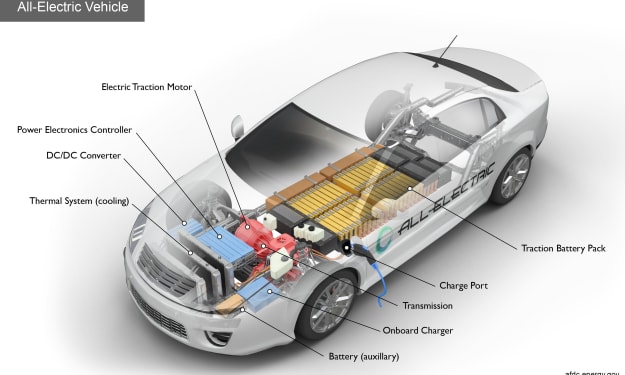
What is Electric Vehicle
Electric vehicles, or EVs, are a type of vehicle that runs on electricity rather than gasoline or diesel fuel. They are becoming increasingly popular due to their eco-friendliness and low operating costs. In this article, we will explore what electric vehicles are and how they work.
By Click & Learn3 years ago in FYI
Fastener Traceability Requirements in the Aerospace Industry
In the aerospace industry, even the smallest components carry significant responsibility. Fasteners such as bolts, rivets, screws, and pins may appear minor compared to engines or avionics systems, but they play a vital role in maintaining aircraft structural integrity. Because these components are used in high-stress and safety-critical environments, strict fastener traceability requirements are enforced across the global aerospace supply chain.
By Beckett Dowhana day ago in FYI



Comments
There are no comments for this story
Be the first to respond and start the conversation.