
Give Punch a Break!” Zoo Responds to Video of Baby Monkey That Sparked Concern
Officials say short clip circulating online does not show the full context of the young primate’s care

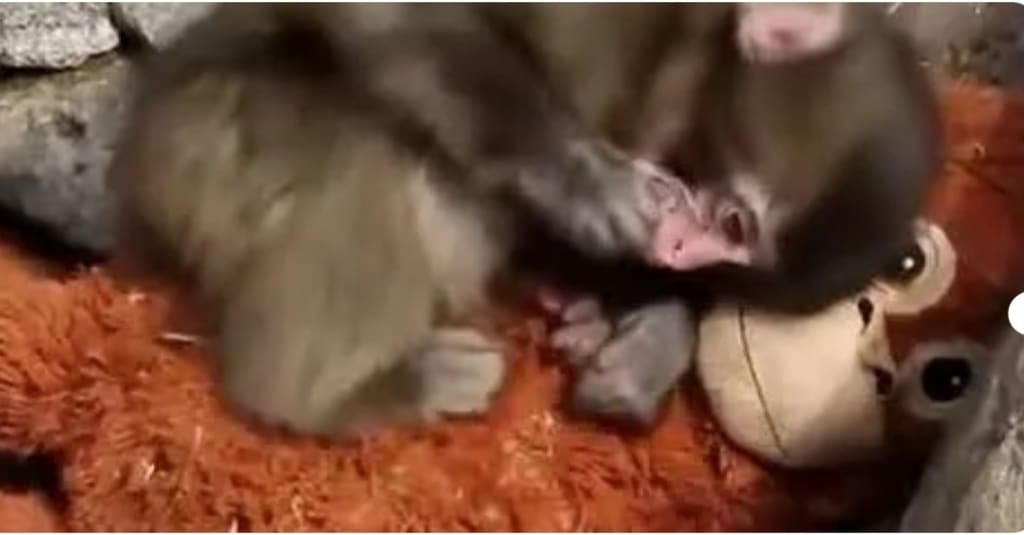
A Video That Triggered Strong Reactions
A short video of a baby monkey named Punch has spread widely across social media, drawing emotional responses from viewers who questioned the animal’s treatment. The clip shows the young primate alone in an enclosure, appearing distressed and vocalizing loudly.
Within hours, thousands of comments appeared online, with some users urging authorities to investigate the zoo. The phrase “Give Punch a break” began trending as people called for better care and more transparency.
Zoo officials responded quickly, saying the video shows only a brief moment and does not reflect the full picture of Punch’s health or environment.
What the Video Shows
The footage, recorded by a visitor, appears to capture Punch pacing and making high-pitched sounds. Some viewers interpreted the behavior as signs of stress or neglect.
Experts in primate behavior note that young monkeys often vocalize loudly, especially during separation from caregivers or when adjusting to new surroundings. Without broader context, it can be difficult to interpret behavior from a short clip.
Zoo representatives said Punch had been temporarily separated from his mother for medical monitoring at the time the video was recorded.
Zoo’s Initial Response
In a public statement, zoo officials said Punch is under regular veterinary supervision and receives daily care from trained staff. They explained that the separation shown in the video was part of a routine health check.
The zoo emphasized that Punch is not abandoned and is being raised according to established animal welfare guidelines. Staff members said that short periods of separation can be necessary to monitor feeding, growth and overall health.
The statement urged the public to avoid drawing conclusions based on a limited view.
Veterinary Oversight and Care
According to the zoo, Punch was born earlier this year and has been monitored closely since birth. Young primates can require additional medical attention, especially if they are born underweight or if their mothers need assistance in caregiving.
Veterinarians conduct regular checkups to track development. In some cases, temporary separation allows staff to ensure that a young animal is eating properly and maintaining strength.
The zoo said Punch’s vital signs and behavior are evaluated daily.
Understanding Primate Behavior
Primatologists explain that baby monkeys are highly vocal and can appear distressed even during routine interactions. Separation calls are a natural behavior that helps young animals communicate with caregivers.
In captive settings, staff members work to mimic natural conditions while ensuring safety. Environmental enrichment, social interaction and structured routines are common components of care.
Animal welfare specialists caution against interpreting a single moment as proof of neglect.
The Role of Social Media
The rapid spread of the video highlights how quickly animal-related content can influence public opinion. Emotional reactions are common when young animals appear vulnerable.
Social media platforms often amplify short clips without context. In this case, the zoo said it was not contacted for comment before the video gained traction.
Communication experts say institutions must respond quickly and transparently when public concern arises.
Public Concerns About Animal Welfare
Animal welfare remains a significant issue for many communities. Zoos face increasing scrutiny regarding how animals are housed, bred and cared for.
Advocates argue that transparency builds trust. They encourage facilities to provide detailed information about animal health and behavior.
The zoo in this case said it welcomes questions and plans to host an online session to explain Punch’s care routine.
Inspection and Accreditation Standards
Many accredited zoos follow guidelines set by professional organizations. These standards cover enclosure design, nutrition, medical care and enrichment programs.
While the specific zoo involved did not name its accrediting body in the initial statement, officials said they comply with national animal welfare regulations and undergo regular inspections.
Independent oversight can help ensure that facilities meet established standards.
Reaction from Animal Experts
Several independent wildlife experts who reviewed the video said it is difficult to assess Punch’s condition from a short recording.
They noted that baby primates often cling to caregivers or objects and may vocalize during feeding transitions. Behavior that appears alarming to the public may be typical in certain contexts.
Experts emphasized that ongoing observation over time is necessary to determine whether an animal is under stress.
Community Dialogue
Local residents have expressed mixed reactions. Some remain concerned and are calling for further updates. Others say they appreciate the zoo’s explanation and believe the staff acted responsibly.
Community leaders encourage constructive dialogue rather than online hostility. Public forums and question-and-answer sessions can provide clarity and reduce misinformation.
The zoo has invited visitors to learn more about its primate care program during scheduled tours.
Transparency Efforts Moving Forward
In response to the attention, the zoo announced plans to share regular updates about Punch’s development. This includes photos, videos and health summaries.
Officials said they hope increased communication will help the public understand how young primates are raised in managed environments.
Transparency, they said, can build confidence and prevent misunderstandings in the future.
The Broader Conversation About Zoos
The incident involving Punch reflects a wider debate about the role of zoos. Supporters argue that modern zoos contribute to conservation, education and research. Critics question whether animals can thrive outside natural habitats.
Many zoos participate in breeding programs aimed at preserving endangered species. These programs often involve careful monitoring of newborn animals.
Conservationists say that raising public awareness about wildlife can support global protection efforts.
Emotional Responses and Responsible Viewing
Images of young animals often trigger strong emotions. Viewers may project human feelings onto animal behavior, a process known as anthropomorphism.
While empathy can encourage concern for welfare, experts advise gathering complete information before forming conclusions.
Responsible viewing includes seeking credible sources and understanding that brief footage may not capture full circumstances.
Current Status of Punch
As of the zoo’s latest update, Punch is reported to be healthy and gradually spending more time with his mother. Staff members say his appetite and activity levels are normal for his age.
Veterinarians continue to monitor his growth. The zoo stated that no medical issues have been identified.
Officials reiterated that they remain committed to Punch’s wellbeing.
Looking Ahead
The conversation surrounding Punch underscores the importance of clear communication between institutions and the public. In an era when videos can circulate globally within minutes, context is critical.
Zoos must balance transparency with privacy and safety considerations. Visitors, in turn, can benefit from seeking additional information before sharing content.
For now, Punch’s caretakers say he is progressing as expected. The episode has prompted broader discussion about animal welfare, social media influence and public trust.
As the story develops, the zoo plans to continue providing updates. Community members are encouraged to stay informed through official channels and to engage respectfully in conversations about wildlife care.
About the Creator
Saad
I’m Saad. I’m a passionate writer who loves exploring trending news topics, sharing insights, and keeping readers updated on what’s happening around the world.
Why a Zombie Apocalypse Would Fail Before It Even Starts
Zombies, the living dead, the stuff of our nightmares, and the stars of countless movies, TV shows, and comic books. Their insatiable hunger for brains has kept pop culture obsessed for decades. From late-night horror marathons to video games, walking corpses have captured our imagination. But for all the hype, let’s face it: a full-blown zombie apocalypse would probably fail before it even got started. Here’s why.
By Areeba Umair7 days ago in FYI
At My Wits’ End
Life is about taking out the trash and calling it trash because you have every reason to. It wasn't meant to be linear, they say. But the times you tried to make it straight led to problems, and you didn’t have the tools to put any of it to use. You don't put your right shoes on the right feet; you put the left shoes on the left feet. The grey hardened slab will trip you up anyway.
By Caitlin Charlton2 days ago in Humans




Comments
There are no comments for this story
Be the first to respond and start the conversation.