
South Korea Biosimilar Industry Growth is to USD 3,513.2 Million By 2033 | CAGR 24.05%
The South Korea biosimilar market has emerged as one of the most dynamic and competitive sectors within the global biopharmaceutical industry. Supported by strong government initiatives, advanced manufacturing capabilities, and the presence of globally recognized pharmaceutical companies, South Korea has positioned itself as a leading exporter and developer of biosimilars.
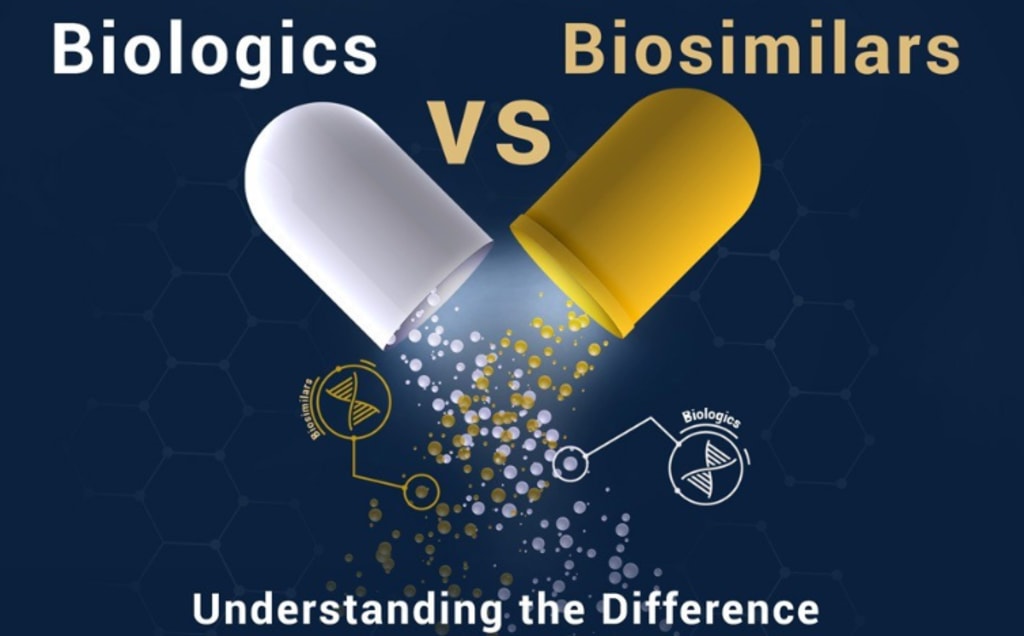
South Korea Biosimilar Industry Overview
Biosimilars are biologic medical products that are highly similar to already approved reference biologic drugs, offering comparable safety, efficacy, and quality at a reduced cost. In South Korea, the biosimilar industry has gained strong momentum due to robust research infrastructure, regulatory support, and strategic export orientation.
South Korea’s regulatory framework has evolved to align with international standards, enabling local manufacturers to secure approvals not only domestically but also in major markets such as the United States and Europe. The country’s advanced biotechnology ecosystem, skilled workforce, and large-scale production facilities have further strengthened its global competitiveness.
The market benefits from:
- Increasing prevalence of chronic diseases such as cancer, autoimmune disorders, and diabetes
- Rising demand for cost-efficient biologic therapies
- Expanding healthcare coverage
- Strong focus on pharmaceutical innovation and exports
South Korea is widely recognized as a key biosimilar manufacturing hub in Asia.
1. Patent Expirations Driving Opportunities
The expiration of patents for blockbuster biologic drugs has created substantial opportunities for biosimilar manufacturers. As reference products lose exclusivity, South Korean firms are launching competitive alternatives in oncology, immunology, and endocrinology segments.
2. Global Expansion Strategies
Leading South Korean companies are increasingly focusing on global markets through partnerships, licensing agreements, and direct commercialization strategies. Export revenues represent a significant portion of overall biosimilar industry growth.
3. Increased R&D Investments
Continuous investment in research and development is strengthening product pipelines. Companies are expanding beyond first-generation biosimilars into complex biologics and next-generation therapies.
4. Cost Containment in Healthcare
Healthcare systems globally are under pressure to reduce treatment costs. Biosimilars provide a lower-cost alternative to originator biologics, making them attractive to hospitals, insurers, and government healthcare programs.
5. Advancements in Biomanufacturing
Technological improvements in bioprocessing, cell line development, and large-scale manufacturing are enhancing efficiency, lowering production costs, and improving global competitiveness.

Key Insights
- South Korea is among the leading global exporters of biosimilars.
- Oncology and autoimmune disease treatments represent major application areas.
- Government policies strongly support biotechnology and pharmaceutical innovation.
- Strategic partnerships with multinational pharmaceutical firms enhance global reach.
- Regulatory alignment with international standards facilitates overseas approvals.
The country’s ability to combine innovation, affordability, and manufacturing scale provides a strong competitive advantage in the biosimilar segment.
Market Segmentation
The South Korea biosimilar market can be segmented based on product type, application, and distribution channel.
By Product Type
- Monoclonal Antibodies – Widely used in oncology and autoimmune disorders.
- Insulin Biosimilars – Growing demand driven by diabetes prevalence.
- Growth Hormones – Used in endocrine treatments.
- Erythropoietin (EPO) – Applied in anemia management.
Monoclonal antibodies represent one of the most significant segments due to their broad therapeutic applications.
By Application
- Oncology – Largest segment due to increasing cancer incidence.
- Autoimmune Diseases – Includes treatments for rheumatoid arthritis and related disorders.
- Diabetes – Driven by rising metabolic disorders.
- Blood Disorders and Others – Expanding with growing clinical acceptance.
By Distribution Channel
- Hospital Pharmacies – Primary distribution channel for biologic therapies.
- Retail Pharmacies – Limited but growing presence.
- Online and Institutional Sales – Expanding gradually with digital healthcare integration.
Hospitals remain the dominant channel due to the complexity and administration requirements of biologic drugs.
Molecule Insights:
- Infliximab
- Insulin Glargine
- Epoetin Alfa
- Etanercept
- Filgrastim
- Somatropin
- Rituximab
- Follitropin Alfa
- Adalimumab
- Pegfilgrastim
- Trastuzumab
- Bevacizumab
- Others
Indication Insights:
- Auto-Immune Diseases
- Blood Disorder
- Diabetes
- Oncology
- Growth Deficiency
- Female Infertility
- Others
Final Thoughts
The South Korea biosimilar market stands as a critical pillar of the country’s biotechnology and pharmaceutical industry. With strong government support, advanced research infrastructure, and expanding global partnerships, South Korea continues to strengthen its position in the international biosimilar landscape.
As healthcare systems seek affordable biologic treatment options and more biologic patents expire, the market is poised for sustained growth. Continuous innovation, technological advancements, and global market penetration strategies will further shape the future trajectory of the South Korea biosimilar industry.
About the Creator
Keep reading
More stories from Ashutosh Srivastava and writers in FYI and other communities.
Canada Pulses Market Is Expected to Grow USD 2.81 Billion Rate |CAGR of 3.79%
Canada Pulses Report Overview Pulses are edible seeds of leguminous crops, valued for their high protein, fiber, and nutrient content. In Canada, pulses are a major agricultural commodity, particularly cultivated in provinces such as Saskatchewan, Alberta, and Manitoba.
By Ashutosh Srivastava3 days ago in Futurism




Comments
There are no comments for this story
Be the first to respond and start the conversation.