Historical
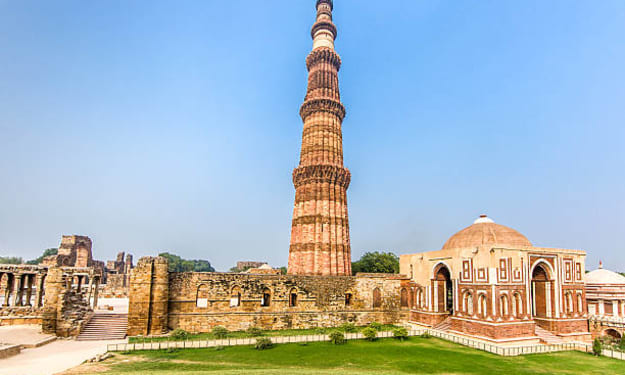
The Resilience of Qutub Minar
There are several reasons why the 72.5-metre-high Qutub Minar has come to be known as Delhi’s enduring symbol. It is the world’s tallest brick tower and one of the finest specimens of Islamic craftsmanship as well. Situated in a lush green complex of monuments and ruins in the Mehrauli Archaeological Park, formerly called Qila Rai Pithora, this UNESCO World Heritage Site attracts around three million visitors annually. Indeed, very much like the city it symbolises, the Qutub Minar has not only stood the test of time for over 800 years but also weathered several design changes, repairs and reconstructions, lightning and earthquakes—even preservation efforts.
By pradeep mishra 5 years ago in FYI
Introduction to Badrinath Temple
The word ‘Badrinath’ comes from the word ‘Badri’ (a place where berries grow). Dedicated to Lord Vishnu, who is worshipped as Badri Narayan, this shrine is one among 108 Divya Desams – holy shrines for Vaishnavites. The temple is situated in Garhwal hill tracks of Chamoli District (Uttarakhand, India) along the banks of Alaknanda River. Located at 3,133 m (10,279 ft) above sea level, this shrine is one of the most visited pilgrimage centers of the country. The temple is open for worship for only 6 months a year (End of April till beginning of November), due to extreme weather conditions prevailing in the Himalayas. Best time to visit the shrine is May to June and September to October.
By pradeep mishra 5 years ago in FYI
Plumbing Inventions
PLUMBING INVENTIONS Necessity is the mother of invention. Whether it’s due to health reasons, avoiding distasteful chores, or keeping one’s mind occupied, many of the plumbing inventions we take for granted today have some pretty interesting origin stories. And, believe it or not, not a single one of these inventors started out working in plumbing.
By John Limbo5 years ago in FYI
Art Nouveau
Art Nouveau (French for “New Art”) was a movement that flourished at the end of the 19th century and the beginning of the 20th century. It was a conscious rejection of the accepted values of the time and sought to unite all the decorative arts, including architecture and interior design, in making a new stride forward.
By John Welford5 years ago in FYI
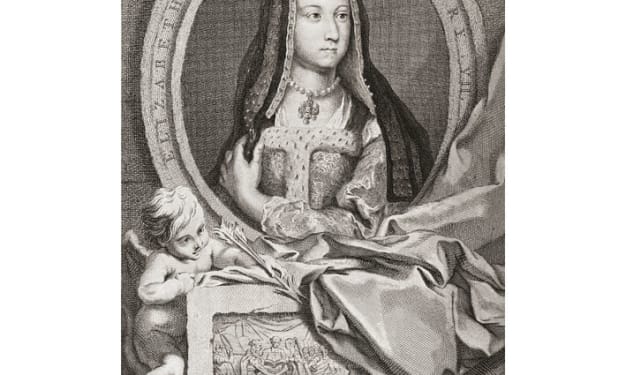
Elizabeth of York
By marrying Henry VII, Elizabeth of York helped to unite two families and end “The Wars if the Roses.” She was mother to Henry VIII and grandmother to Elizabeth I and, with her husband, started the Tudor Dynasty. This Queen of England is sometimes overlooked, but Elizabeth of York played an important role in English history.
By Ruth Elizabeth Stiff5 years ago in FYI
For the Love of Hot Tubs
I love hot tubs. Like, a lot. Absurdly much. I live in near-constant craving of hot bubbly water. When I'm searching for an Airbnb, I check the box next to "hot tub" under the amenities category, on the off chance that my location will have one. When booking a hotel, I check the pictures to see if they have a pool and spa. I'll live if my travel plans don't involve a hot tub, but it's always infinitely better when they do.
By Sarahmarie Specht-Bird5 years ago in FYI
Crazy Medical Practices Doctors Thought Made Sense!
In our time of modern medicine, it is easy to look back at past medical practices with disgust and fascination. This collection of medical-related photographs from the past will show us how remarkable the human body is and how medicine has improved over time.
By Ms. Thomas5 years ago in FYI
Trillion Dollar Apples, Spiderman, The World Wide Web, And The Most Important Thing We Have
August 1, 1774 It's always been there. We've always needed it to survive. What is interesting is that over 2500 years ago, the ancient Greeks identified it as one of the four elemental pieces of creation-along with earth, water, and fire. It is of course the air we breathe. While it is a charming, yet primitive notion, it lasted for centuries because there was little reason to argue the point until the late 1700s.
By Jason Ray Morton 5 years ago in FYI
Attack on Pearl Harbor
Attack on Pearl Harbor Vice Admiral Chuichi Nagumo's Pearl Harbor was used with fast warships, passengers, destroyers, and tanks to propel ships as they passed through the Pacific. Admiral Isoroku Yamamoto, commander of the Japanese Navy and builder of the Pearl Harbor attack, wanted to take over some Southeast Asian countries and use their oil to propel Japanese military vehicles and naval vessels. Destroying the presence of American troops in the region will leave these countries at risk.
By Aayush Chaudhary5 years ago in FYI
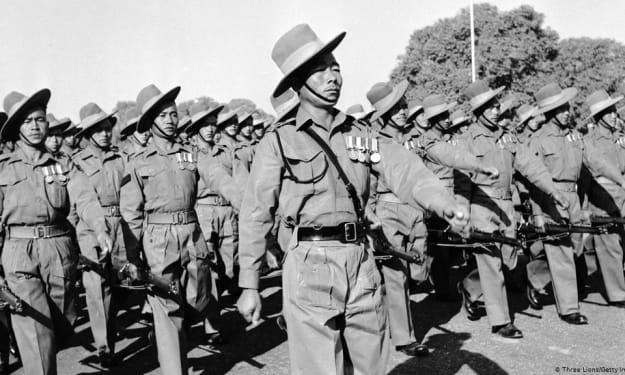
Gurkhas in the Battle of Falklands
Gurkhas in the Battle of Falklands He is the author and editor of two other books on the Falklands War. A pedestrian officer, he had Gurkha's second army the month when Argentina captured the Falklands in the Armed Forces on April 2, 1982. With military experience in Northern Ireland during the Cold War and the Gurkhas in war, he is now a global troublemaker and expert advisor to the public aviation industry. His work includes the construction, construction, and implementation of real-time aerospace exercises, airports, and other organizations.
By Aayush Chaudhary5 years ago in FYI