Historical
Voodoo in New Orleans
When you hear the word "Voodoo", do you picture a witch doctor in a loin cloth wearing a headdress and a bone in his nose? Or maybe someone dressed in colorful robes chanting and killing chickens while performing black magic? These are the images brought to you by movies, television and fiction books. And Voodoo has nothing to do with walking dead people or zombies.
By Rebecca Foster5 years ago in FYI
DAT GILBERT
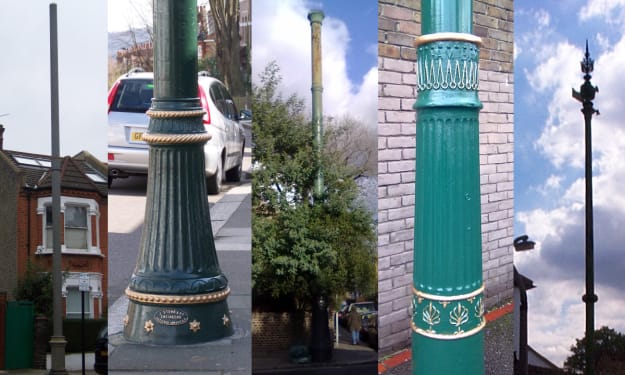
Run! Run! as the screams of panic was echoed, the shower of rain came pouring, dark clouds the wind hurled, the beautiful island of Jamaica came into disarray as a major hurricane hit Sept. 1988, On record this is the most devastating hurricane the little island of the third world has ever experienced. Jamaica known for its Beauty, Coffee, Reggae, Beaches & it's People. A day of History lets go Explore; the scenery was not as beautiful as it seems, known for its essence for highly ray of sunshine yearly, with tourism mainly the country's economy attraction. On September 12, 1988, at the peak of the Atlantic hurricane season, a hurricane named Gilbert hit a surprised and largely unprepared Jamaica. Thief in the Night for most, as many were surprised having doubts that the hurricane will not make landfall in the country & they were wrong.
By Sean Noble5 years ago in FYI
Pioneers of Philosophy That Influenced the World With Their Quotes
I thought that learning our ancient history in school was all I had to do. Wars, mythology, important people. I knew them all, and that was it. Then, I went to university. I started thinking about things. All sorts of things. I started philosophizing… Philosophy.
By Giorgos Pantsios5 years ago in FYI
A Pandemic Revisited
" Pandemics have been around ever since humans entered the hunter gatherer stage and began to engage in trade with other people groups. The World Health Organization describes a pandemic as "an epidemic occurring worldwide, or over a very wide area, crossing international boundaries and usually affecting a large number of people." The most deadly pandemic, and the one with the most impact on European society, was the bubonic plague. Also called the Black Death, the plague officially began in the mid-14th century. The plague had already been wreaking havoc in China, India, and the Middle East when a fleet of ships filled with dead and dying crew members sailed into the Sicilian port of Messina. Although the ships were immediately sent on their way, it was too late. The plague had hit Italy and it spread like wildfire through Europe and North Africa via trade routes.
By Lori Stremble5 years ago in FYI
History of Massage Dates Back Thousands of Years
From ancient medicine to modern therapy, massage and the healing quality of human touch has been a mainstay of most civilizations. In modern times, it is recognized that massage therapy has a plethora of health benefits to the recipient. Let’s take a look.
By Jessica Bugg5 years ago in FYI
The Man Behind the Peanut
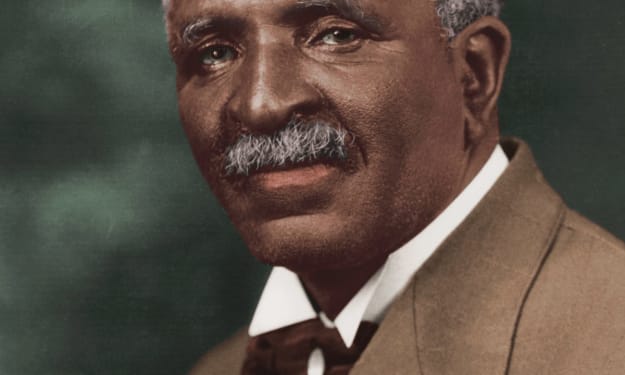
Peanuts. That’s what most people think of when they think about George Washington Carver, the famed African American scientist and inventor. And while peanuts did play a big part in his life, there’s so much more to Carver’s story than just his work with everyone’s favourite ballpark snack…
By Reuben Blaff5 years ago in FYI
I'll Trade My Stone for your Daughter. Top Story - March 2021.
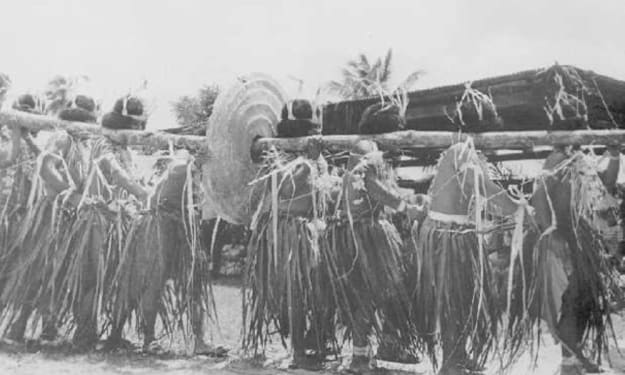
I’ll trade my stone for your daughter, and I’ll keep your daughter and the stone at my house. This sounds like a line from a fantasy story, but it may also have been an ancient conversation on the island of Yap, a real Micronesian Island.
By Laura DeRue5 years ago in FYI
The Gift that Kept on Brewing
It appears that humans have always had a predilection for drinking beer. It has always been considered a divine, intoxicating substance that was imbibed for reasons stretching from medicinal usages to sheer recreation. No one area of the world or Ancient civilization can boast to have invented the substance, yet where ever one found agricultural practices that involved grain production, there would have been the ability to discover the process required ferment beer. Ancient beer didn’t use hops but instead was probably a product of grains fermenting overtime and then being exposed to natural yeasts in the air. In fact, one interesting factoid to consider is that the first brewers, particularly in Mesopotamia and Ancient Egypt, are thought to have been women. What societal phenomena led to brewing becoming a female-dominated area are unknown. However, as time moved forward, Medieval European monasteries began brewing their own beer for mass consumption and created the Western style of artisanal beers. The Monks, who tweaked the process, undoubtedly were males and their expertise was passed on to exclusively men. From here, there was a massive proliferation of new styles and methods being invented, influencing the cultures of various European countries. Next comes the Industrial Revolution, improving techniques and bringing better machinery, while allowing for mass production and thus, more commercial consumption. Throughout this long history, beer became better, more liquidous—less like the gruel-like substance of the ancient world, and more importantly, a more male-dominated industry. The Prohibition Movement of the American U.S, wiped out the legal beer market in America. Upon its repeal, a watered-down, more regulated, prohibitionist pilsner emerged opening the way for Budweiser, Coors and Miller.
By Robert Burton5 years ago in FYI
And you thought you knew Georgia...
I was born and raised in this great state of Georgia. I was born on Robins Air Force Base in 1973. I love to take road trips and hike so I thought I knew all there was to know about where I lived...boy was I wrong! I would love to share with you some tidbits that I have recently learned. So here goes.
By Amber Smith Hagerman5 years ago in FYI