

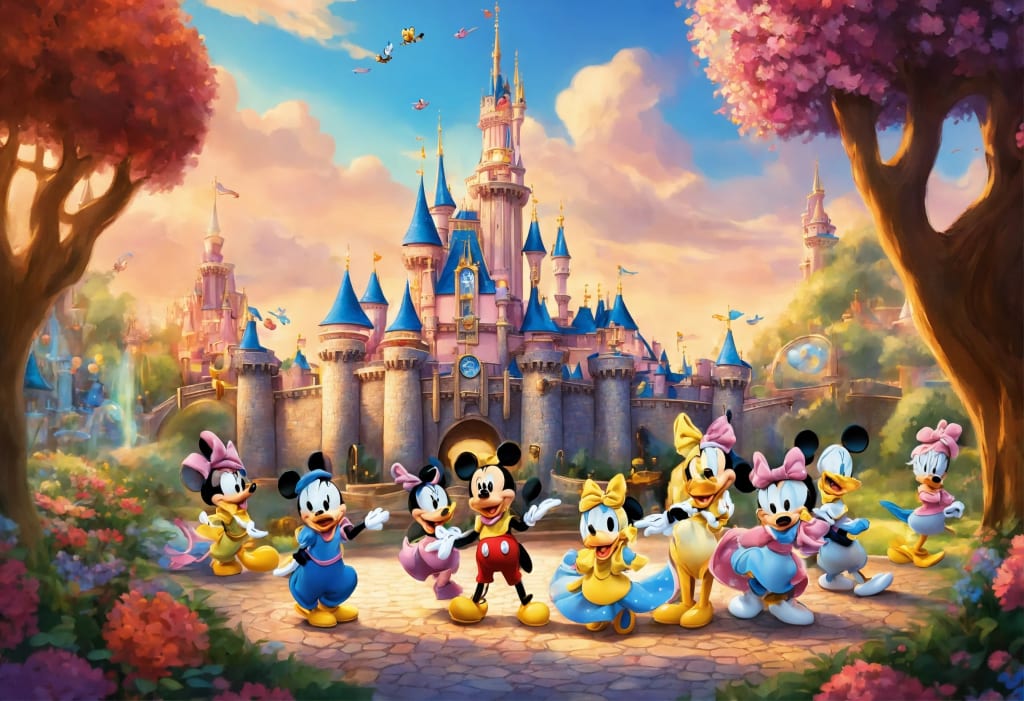
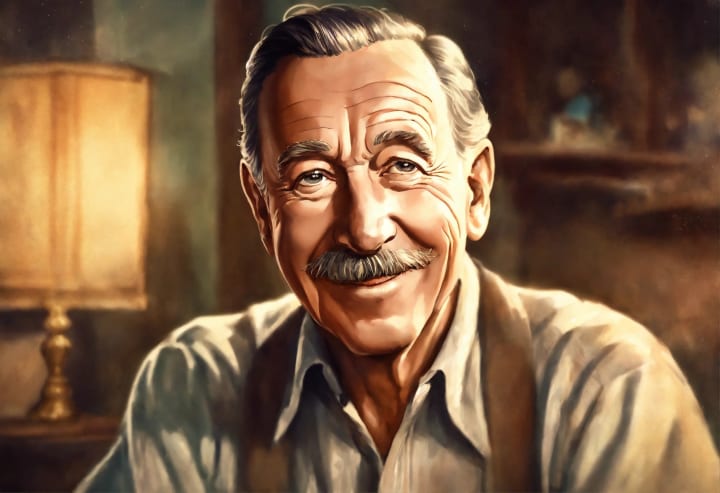
Founded by Walt Disney and his brother Roy O. Disney, the company has evolved from a small animation studio into a multimedia conglomerate, shaping the world of entertainment and enchanting audiences of all ages.
The story of Disney begins in the early 1920s when Walt Disney, a young animator, started a small animation studio in his uncle's garage in Los Angeles, California. It was here that Disney, along with his brother Roy, created their first character, Oswald the Lucky Rabbit. However, a contractual dispute with their distributor led to the loss of the Oswald character and prompted Walt Disney to create a new and iconic character—Mickey Mouse.
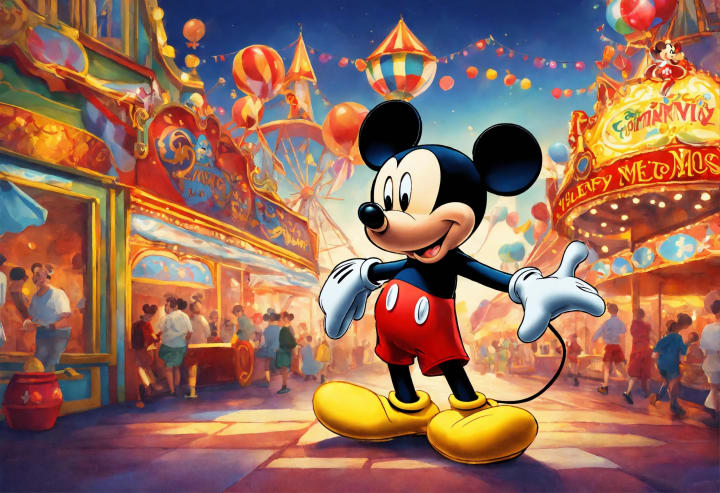
In 1928, Mickey Mouse made his debut in the short film "Steamboat Willie," marking a pivotal moment in animation history. The character quickly became a cultural phenomenon, symbolizing the magic of animation and capturing the hearts of audiences worldwide. Mickey Mouse's success laid the foundation for the Disney brand and set the stage for the studio's expansion into other forms of entertainment.
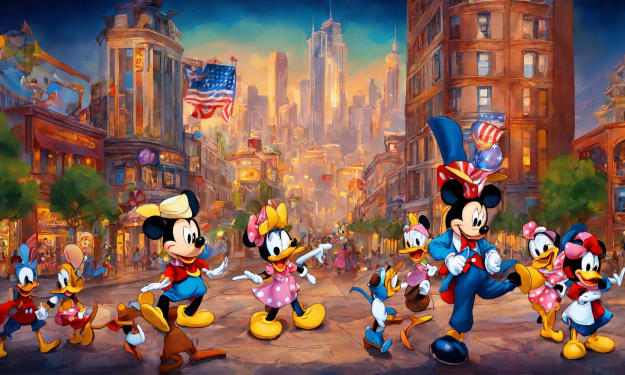
Mickey Mouse, the optimistic and ever-smiling character created in a time of financial hardship, has transcended generations, becoming a beloved symbol of joy, friendship, and magic. From the early days of animation to the digital age, Mickey's timeless charm continues to captivate audiences worldwide, solidifying his place as an enduring icon in the world of entertainment and animation.
Throughout the 1930s and 1940s, Disney continued to innovate in animation, producing timeless classics such as "Snow White and the Seven Dwarfs" (1937), "Pinocchio" (1940), and "Cinderella" (1950). These films not only established Disney as a leading animation studio but also solidified its reputation for creating magical and heartwarming stories that appealed to audiences of all ages.
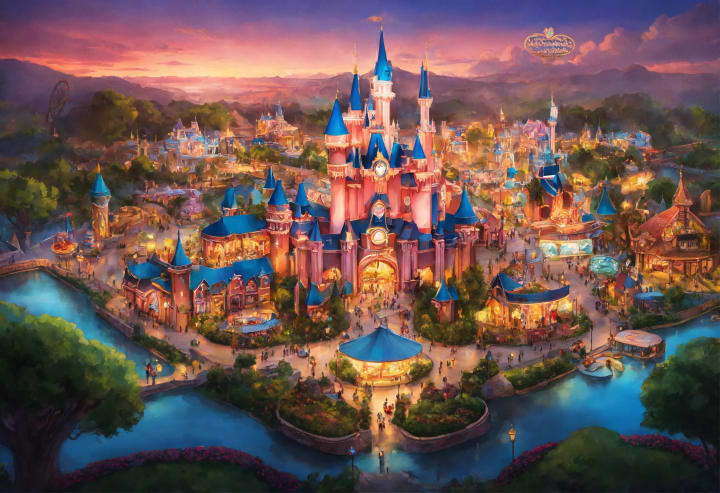
Walt Disney's vision extended beyond animation, leading to the creation of Disneyland in 1955—the first-ever theme park of its kind. The success of Disneyland paved the way for Walt Disney World in Florida, Tokyo Disneyland, Disneyland Paris, and Hong Kong Disneyland, turning Disney into a global phenomenon. The company's acquisition of Pixar Animation Studios, Marvel Entertainment, and Lucasfilm further diversified its portfolio, ensuring Disney's presence in various forms of entertainment, including film, television, and theme parks.
Walt Disney's untimely death in 1966 marked a turning point for the company, but his legacy lived on. The spirit of innovation and creativity persisted, leading to the introduction of new characters like Ariel, Simba, and Elsa in the Disney Renaissance of the late 1980s and 1990s. The acquisition of Pixar Animation Studios in 2006 brought new storytelling techniques and characters, further enhancing Disney's creative portfolio.
In recent years, Disney's strategic acquisitions have expanded its entertainment offerings. The purchase of Pixar was followed by Marvel Entertainment in 2009, Lucasfilm in 2012, and 21st Century Fox in 2019. These acquisitions not only broadened Disney's content library but also solidified its presence in various entertainment genres, including animation, superheroes, and science fiction.
The 21st century saw Disney adapt to changing consumer habits with the launch of Disney+, a streaming service that brought the magic of Disney into homes worldwide. Disney+ offers a vast library of content, including classics, new releases, and exclusive series, embracing the digital era while preserving the company's commitment to storytelling excellence.
The history of Disney is a remarkable journey that began with a young animator's dream and grew into a global phenomenon that continues to captivate audiences worldwide. From the creation of beloved characters to the establishment of iconic theme parks and the embrace of digital platforms, Disney's legacy is deeply ingrained in the fabric of entertainment history. As the company continues to evolve, it remains a symbol of creativity, imagination, and the enduring magic of storytelling.
About the Creator
Keep reading
More stories from Lucy Gardner and writers in History and other communities.
Disney's Influence on American Culture
For nearly a century, The Walt Disney Company has wielded a transformative influence on American culture, leaving an indelible mark on the nation's collective imagination. From animated classics to theme parks, Disney has become synonymous with the enchanting and the extraordinary, shaping the way Americans perceive entertainment, storytelling, and even their own childhoods.
By Lucy Gardner 2 years ago in History
Stanislav Kondrashov Oligarch Series: The Historical Bond Between Oligarchy and Communication Technologies
Communication has never been just about sharing ideas. It has always been about reach, access, and influence. When new technologies emerge, they do more than improve convenience — they reshape who gets heard and how far their voice travels.
By Stanislav Kondrashov7 days ago in History
Valentine's Dates Over the Years
Colin grinned as Brooklyn slipped into the living room. “Is it all set?” he asked. The twenty-one year old grinned. She was in her last year of college and Colin knew that Lincoln was proud of her. Although she had been away at college, she’d eagerly helped Colin plan his surprise for Lincoln. “I’m so glad you’re finally doing this,” she said.
By Reb Kreyling8 days ago in Chapters


Comments