
A Day We Won’t Forget
“The Blood of Babrra and the Courage That Refused to Die”

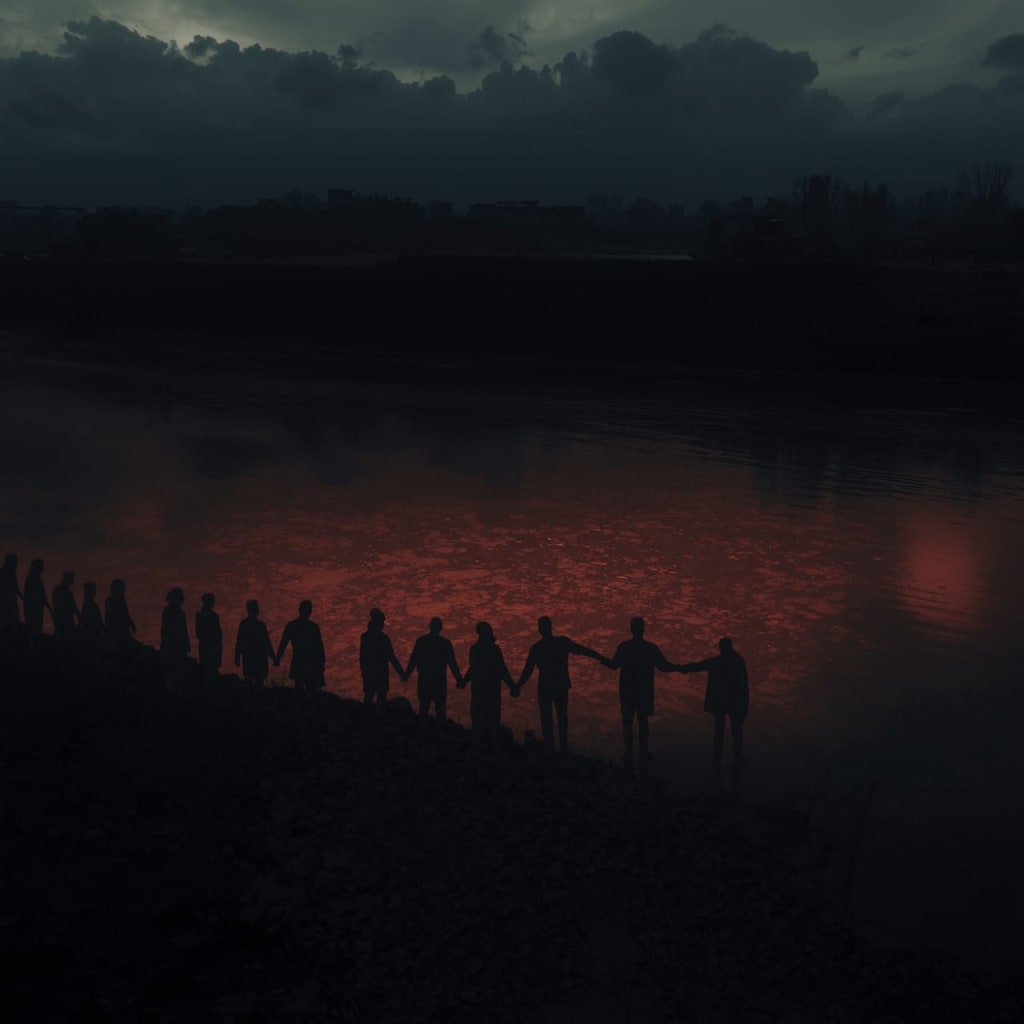
The sun rose quietly over Charsadda on 12 August 1948, but the air was not peaceful. There was a strange heaviness, as if the earth itself knew that it would drink the blood of its children before the day was done.
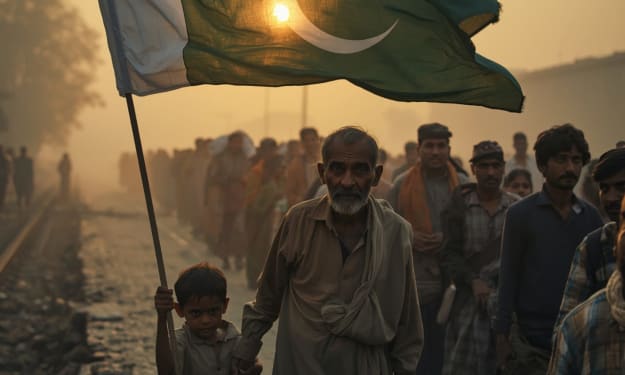
They came from every corner of the land — farmers with calloused hands, mothers carrying infants on their hips, barefoot boys with dust on their faces, and old men leaning on wooden sticks. They carried no guns, no swords, no stones. Only courage. Only their belief in truth.
They were the Khudai Khidmatgars, followers of Bacha Khan, men and women who believed that peace was stronger than violence. They had come to Babrra Ground to protest injustice — the arrests of their leaders, and a cruel law that gave the government the power to lock up anyone without trial.
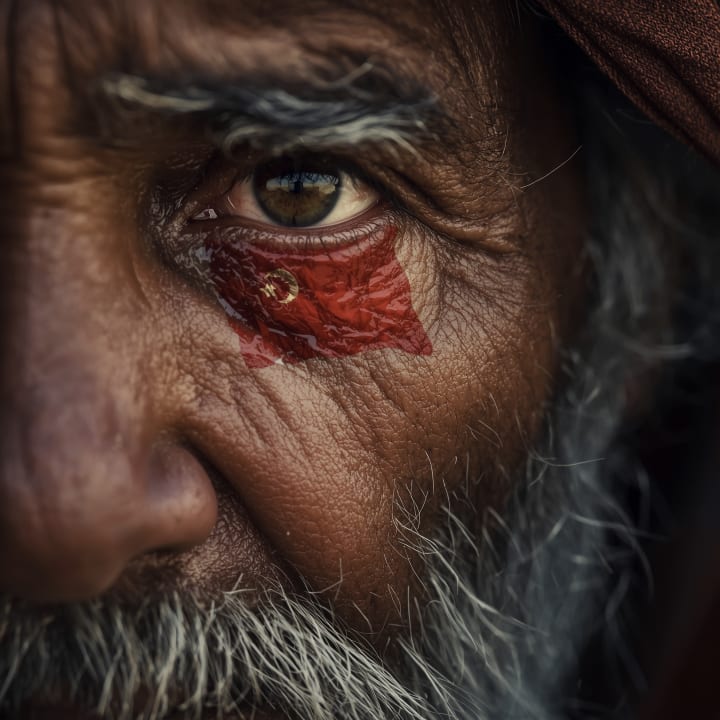
The field filled with people until it was like a sea of white and brown, men in shalwar kameez, women in colorful shawls, children running between them. Some prayed under trees, some spoke in low voices about their dreams for freedom.
Then the police came.
A dark line of armed men, rifles glinting in the sunlight, boots stamping the ground. They stood facing the unarmed crowd. Behind them, orders hung in the air like the smell of gunpowder before it’s lit.
“Disperse immediately!” a voice shouted.
But how can you walk away when the chains around your neck are still there? How can you turn your back when dignity is calling you forward?
The people stayed. Some sat cross-legged on the earth in silent defiance. Some raised their hands in the air, showing they carried nothing but the truth.
And then it happened.
The first shot split the air. A sharp, cruel sound that seemed to slice through the sky. Then another. And another. The earth shook with the rhythm of gunfire.
Men fell to their knees clutching their chests. Mothers screamed as they pulled their children close. The Kabul River, flowing nearby, began to carry bodies — men who had tried to escape the bullets by diving in, only to be struck in the water.
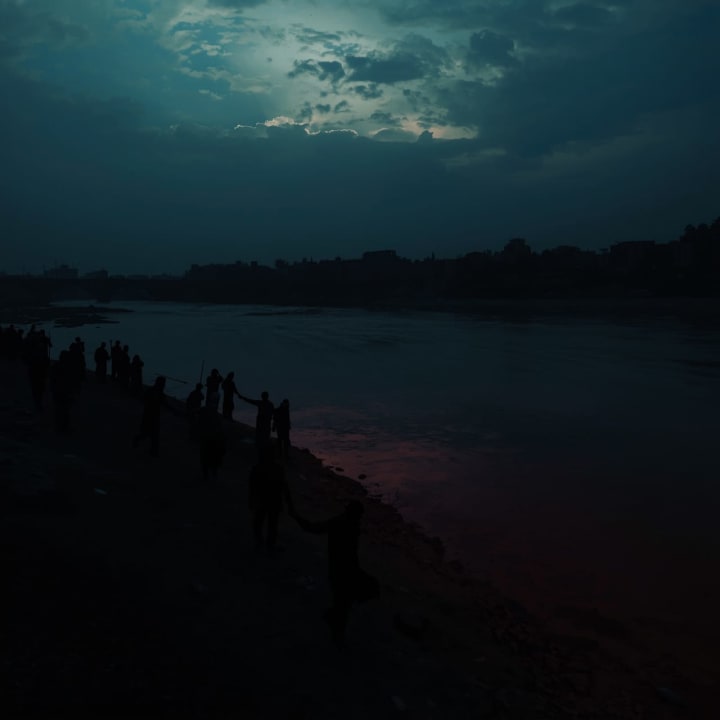
The firing did not stop for minutes, or even an hour. It went on and on, the dust mixing with the cries of the wounded, the hot summer wind carrying the smell of blood.
Some young men ran toward the women to shield them with their bodies. Old men stood up straight, refusing to run even as bullets tore through the air. One boy, no more than 15, was seen waving a red scarf — the symbol of the Khudai Khidmatgar — until he fell face-first into the soil, still clutching it.
When the guns finally went silent, Babrra was no longer a field. It was a graveyard without graves.
The official records said maybe 15 dead. The people knew better. They had counted the faces, seen the bodies — 150, maybe 500, maybe more. Numbers did not matter, because each number had a name, a story, a family.
The survivors wept, but not in defeat. They buried their loved ones with prayers, but also with pride. Mothers whispered to the bodies of their sons, You died standing for justice. Fathers held back their tears as they said, Your blood will feed the tree of freedom.
The government tried to erase Babrra from memory. No investigation. No apology. But the people carried the day in their hearts like a torch that would never go out. Every 12th of August, they told the story again — of the farmers who became martyrs, the women who stood like mountains, the boys who met bullets with bare chests.
Babrra was not just a massacre. It was a message: They can kill the body, but they cannot kill the dream.
The bullets of 1948 planted seeds in the soil of Khyber Pakhtunkhwa. Seeds of courage. Seeds of unity. Seeds of a spirit that still refuses to bow down.
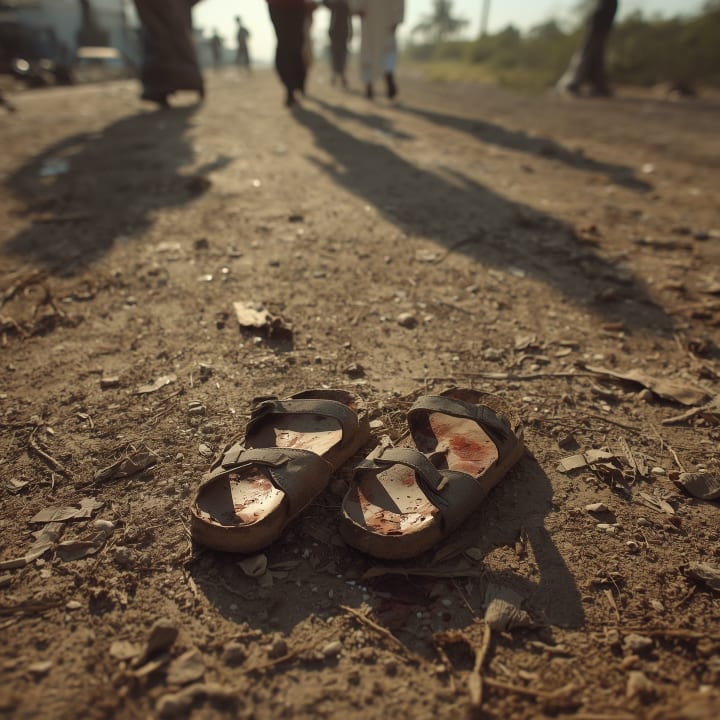
That is why we call it A Day We Won’t Forget. Because forgetting would be betrayal, and remembering is our victory.
About the Creator
EchoPoint
"I like sharing interesting stories from the past in a simple and engaging way."
Rising U.S.–Iran Tensions: Power, Warnings, and the Risk of a Wider Conflict
Rising U.S.–Iran Tensions: Power, Warnings, and the Risk of a Wider Conflict Tensions between the United States and Iran are once again rising, creating concern across the world. Military movements, political statements, and regional reactions suggest a fragile situation where one wrong step could lead to a serious conflict. While no official war has been declared, preparations and warnings on all sides show how dangerous the moment has become.
By Wings of Time 6 days ago in History
Elizabeth I of England: Strategic Ambiguity
Elizabeth I ruled in one of the most dangerous political environments in European history—and survived. Surrounded by religious conflict, foreign threats, and internal conspiracy, she governed not through brute force or rigid ideology, but through something far subtler: strategic ambiguity. Where others rushed toward certainty, Elizabeth mastered delay. Where others declared, she implied. Her power lay not in decisive answers, but in carefully preserved options.
By Fred Bradford3 days ago in History


Comments
There are no comments for this story
Be the first to respond and start the conversation.