
Adolf Hitler: Leader of the Third Reich
Adolf Hitler: The Fanatical Leader Who Led Nations to Catastrophe

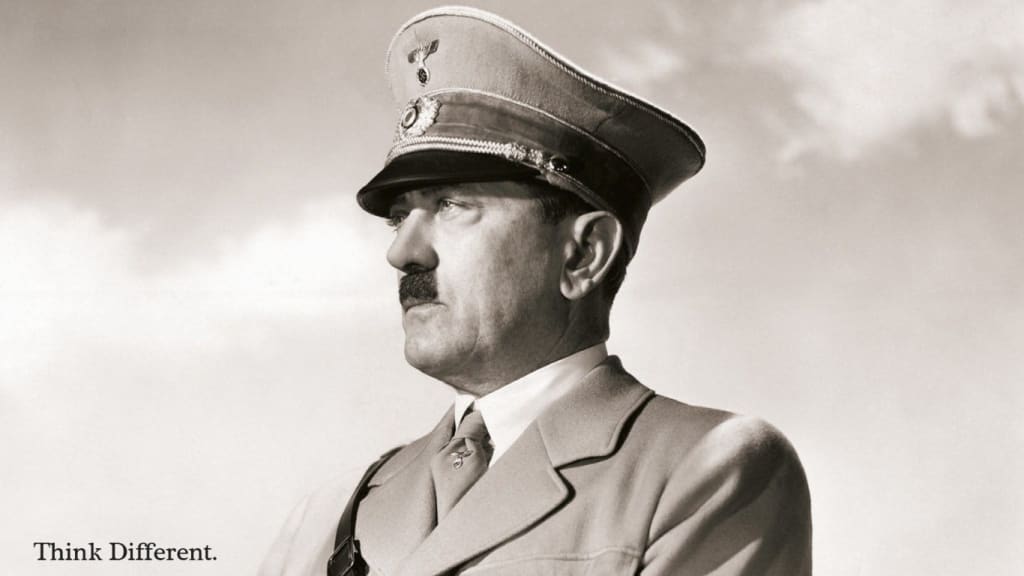
Adolf Hitler, the infamous dictator of Nazi Germany, remains a haunting figure in history due to his radical ideology, megalomaniac tendencies, and the cataclysmic impact of his actions on the world. Born on April 20, 1889, in Braunau am Inn, Austria, Hitler's childhood was marked by hardship, with the early loss of his father and academic struggles. As he grew into his pre-war Viennese life, he developed an affinity for anti-Semitic and anti-Bolshevik sentiments, which would later shape his tyrannical reign.
The Rise to Power
At the onset of World War I, Adolf Hitler enlisted in the German army, and it was during this time that his name changed from "Schicklgruber" to "Hitler." Following the war, the dire consequences of the Treaty of Versailles placed a severe burden on Germany, leaving the nation susceptible to extreme ideologies. Hitler adeptly capitalized on the populace's vulnerability, tapping into deep-seated fears and national pride. In 1919, he became involved in politics, playing a role in founding the German Workers' Party, which eventually evolved into the notorious Nazi Party.
The Radical Vision Unveiled
While serving a prison sentence for attempting to overthrow the republic, Hitler penned "Mein Kampf," an autobiographical manifesto that laid bare his fervent anti-Semitic beliefs and radical vision for Germany's future. The publication became a blueprint for his sinister agenda, calling for the extermination of Jews and the establishment of a totalitarian regime under his leadership.
The Chancellorship and the March to Dictatorship
In January 1933, Hitler assumed the position of Chancellor, and the Reichstag Fire in February of the same year provided a pretext to consolidate his power further. Through the Enabling Act, Hitler obtained extensive political and police powers, paving the way for the establishment of a totalitarian state. His control over media, propaganda, and the suppression of opposition solidified his iron grip on the German people.
World War II and the Holocaust
Unyielding in his expansionist ambitions, Hitler pursued aggressive foreign policies, leading to the outbreak of World War II in September 1939 with the invasion of Poland. The ensuing conflict, marked by horrific atrocities and mass killings, spiraled into the largest and bloodiest war in history, claiming the lives of over 50 million people. During the war, Hitler orchestrated the Holocaust, a systematic genocide resulting in the death of approximately 6 million Jews in concentration and death camps.
The Turning Point and Demise
In June 1944, the Allied invasion of Normandy marked a significant turning point in the war, and less than a year later, Germany surrendered to the Allies. Faced with imminent defeat, Hitler committed suicide alongside his companion Eva Braun in April 1945, avoiding capture and justice for his heinous crimes.
Legacy and Reflection
Adolf Hitler's actions and leadership plunged the world into darkness and devastation, leaving an indelible scar on the 20th century. His fanatical ideology and malevolent pursuit of power resulted in unparalleled suffering and loss of life. History will forever remember Hitler as one of the most tyrannical figures in human history, and it serves as a stark reminder of the dangers posed by unchecked extremism and the importance of preserving democracy and human rights.
About the Creator
Keep reading
More stories from Anu Preethi Danila D and writers in History and other communities.
The Tragic Tale of Sarah Bartman: A Victim of Exploitation and Prejudice
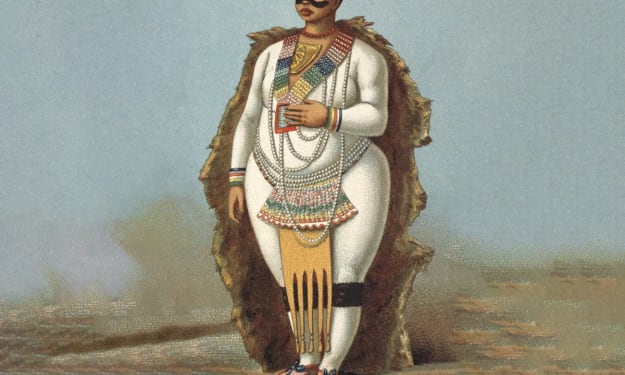
Introduction In today's world, many women pay a hefty price to achieve certain physical attributes, but few are aware of the heartbreaking story of Sarah Bartman, also known as the "Hottentot Venus." Her life is a stark reminder of the horrendous experiences endured by countless African people during the era of slavery. In this video, we will shed light on Sarah Bartman's tragic life, her exploitation as a freak show attraction, and the indignities she suffered even after her death.
By Anu Preethi Danila D2 years ago in History
The Eternal Shadow of Alexander: How His Empire Shaped the World After His Death
Alexander died in Babylon under mysterious circumstances. Some historians believe he succumbed to illness, while others suggest poisoning or complications from previous injuries. Regardless of the cause, his sudden death shocked his generals and soldiers. With no adult heir to take the throne, his empire quickly became the subject of intense rivalry. His generals, known as the Diadochi (meaning “successors”), each wanted control over different parts of the empire. Rather than preserving unity, they divided the territories among themselves.
By Say the truth 3 days ago in History
The Saddest Thing - The Billionaires Who Rule America Aren't Even Enjoying Themselves
This single post says more about our ruling class than a thousand policy papers. The saddest thing about today's system is that the men robbing the rest of us - sabotaging our economic prospects, our pensions, our access to affordable healthcare - are not even happy.
By Scott Christenson🌴5 days ago in The Swamp


Comments (2)
Read More: https://www.informativeblog.co.uk/the-demise-of-adolf-hitler/
Read More: https://www.informativeblog.co.uk/how-old-would-adolf-hitler-be-today/