
How fearless African American women broke barriers, tamed the frontier, and rewrote Western history
Riding Against the Odds: The Untold Story of Black Cowgirls in the American West

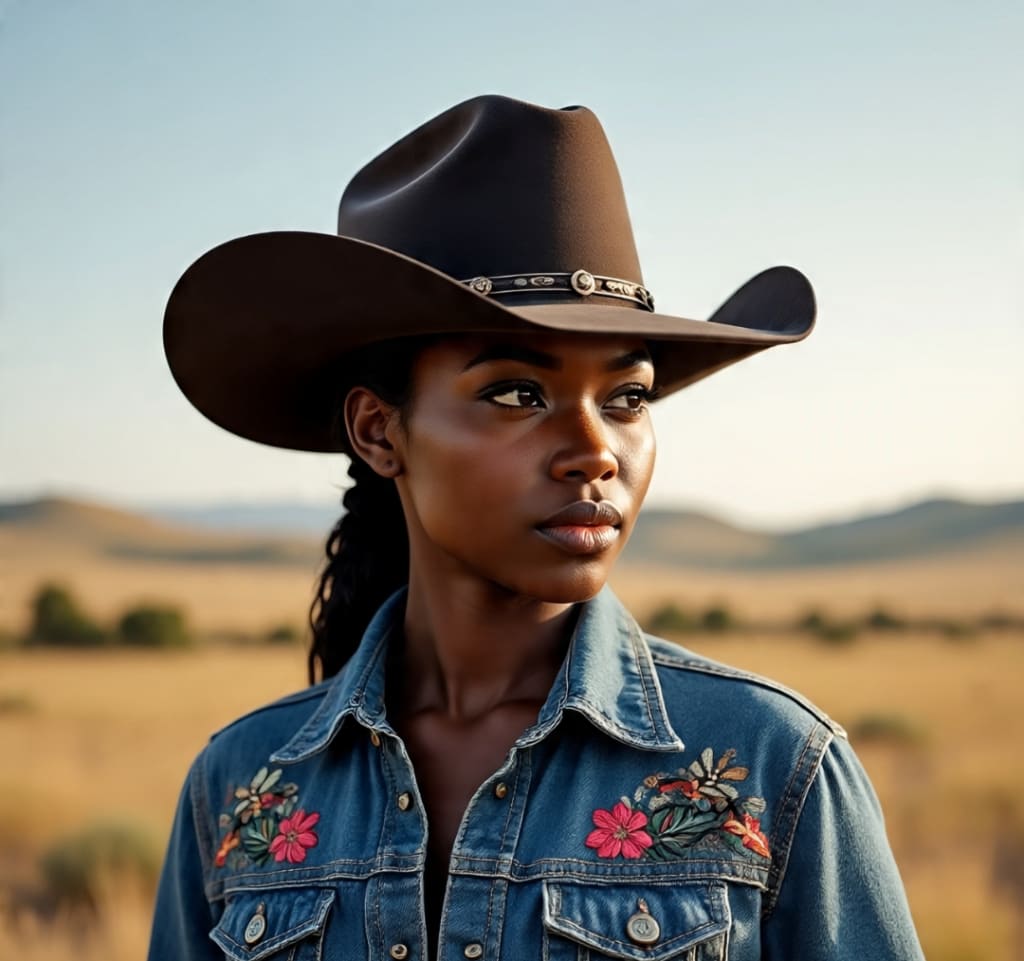
Shattering Myths of the Wild West
When most people picture the Wild West, they imagine sheriffs with shiny badges, white cowboys driving herds of cattle, and saloon girls dancing under dim lantern light. Hollywood movies and television created that image and repeated it until it became accepted as fact. But the real West was far more diverse. Among its most overlooked pioneers were Black cowgirls—women who rode, roped, herded cattle, and owned stables at a time when both their race and gender were considered barriers.
Their stories were rarely told in classrooms or history books, yet their impact was undeniable. These women were skilled horse riders, fearless stagecoach drivers, competitive rodeo stars, and independent business owners. They proved that grit and determination mattered more than society’s labels.
Beyond Hollywood’s Imagination
In Western films of the 1950s and 1960s, Black women were invisible. The frontier was painted as white and male. Yet, after the Civil War, thousands of freed African Americans moved westward in search of opportunity. The open plains offered a new beginning, especially for those unwilling to remain trapped in domestic service jobs such as cooks, maids, or laundresses.
Some chose ranching and cattle driving—work that demanded long days, dangerous rides, and endless patience. Black women who entered this world often endured double discrimination, but they still managed to carve out places of influence and respect.
Women of Grit and Glory
One of the most legendary was Mary Fields, better known as Stagecoach Mary. Born into slavery, she later became the first Black woman mail carrier in the United States. In Montana, she delivered mail through blizzards and across rugged terrain, armed with a rifle and a fearless spirit. Locals admired her toughness, and she became a folk hero of her community.
Another trailblazer was Eliza Carpenter, who had once been enslaved but built a new life in Oklahoma. She became a successful horse breeder and jockey, racing her own horses and competing against men in an era when women were often barred from such arenas. Her independence and boldness earned her respect, even in the male-dominated world of horse racing.
Women like Ola Watson and Rose Smith carried this tradition into rodeo culture. Excelling in events like barrel racing and roping, they showed skill and artistry that challenged racial stereotypes and inspired new generations of riders. Their participation in rodeo wasn’t just about sport; it was a declaration that Black women belonged on horseback and in the spotlight.
Preserving the Legacy
An estimated one in four cowboys after the Civil War was African American, but the number of women is unknown. What is clear is that their contributions were essential. Today, groups such as the Bill Pickett Invitational Rodeo and the Black Cowboy Museum in Texas work tirelessly to preserve this history. They ensure that the contributions of cowboys and cowgirls of color are not erased but celebrated.
These efforts matter because history has long pushed minorities to the margins. By highlighting Black women in the West, these organizations help rewrite the narrative, reminding us that the frontier was never just one story—it was many.
Why Their Stories Matter
Remembering Black cowgirls is about more than nostalgia. It challenges the way history has been told. It asks us to look beyond stereotypes and recognize resilience where it has been ignored. These women carried not only saddlebags but also the weight of erasure, yet their determination allowed their legacies to survive.
Their example teaches us that representation matters. When young people of color see images of riders who look like them, they inherit proof that they, too, belong in any arena they choose—whether on a ranch, in a rodeo, or in the pages of history.
Writing the Next Chapter
The American West belongs to everyone who helped build it, not just those Hollywood chose to spotlight. For every gunfighter or lawman, there were Black women guiding cattle across rivers, breaking wild horses, and proving that freedom could be won through courage.
The next time you imagine the Wild West, don’t stop at dusty cowboys and saloon brawls. Picture the Black cowgirls—riding fast and free, their voices strong, their presence undeniable. They weren’t extras in someone else’s story. They were trailblazers, carving out their own paths, leaving history no choice but to follow their lead.
About the Creator
Be The Best
I am a professional writer in the last seven months.
Keep reading
More stories from Be The Best and writers in History and other communities.
Mike the Headless Chicken: The Bird That Lived 18 Months Without a Head
The Strange Survival of Mike the Headless Chicken When people hear the story of Mike the Headless Chicken, it almost sounds like a hoax. A bird with its head cut off that somehow lived for 18 months?
By Be The Best5 months ago in History


Comments
There are no comments for this story
Be the first to respond and start the conversation.