
Nepal’s Turning Point: Youth Protests, Political Collapse, and the Struggle for Reform
Amid violent anti-corruption protests, Nepal’s Prime Minister resigns as youth-led movements demand accountability and a brighter future.
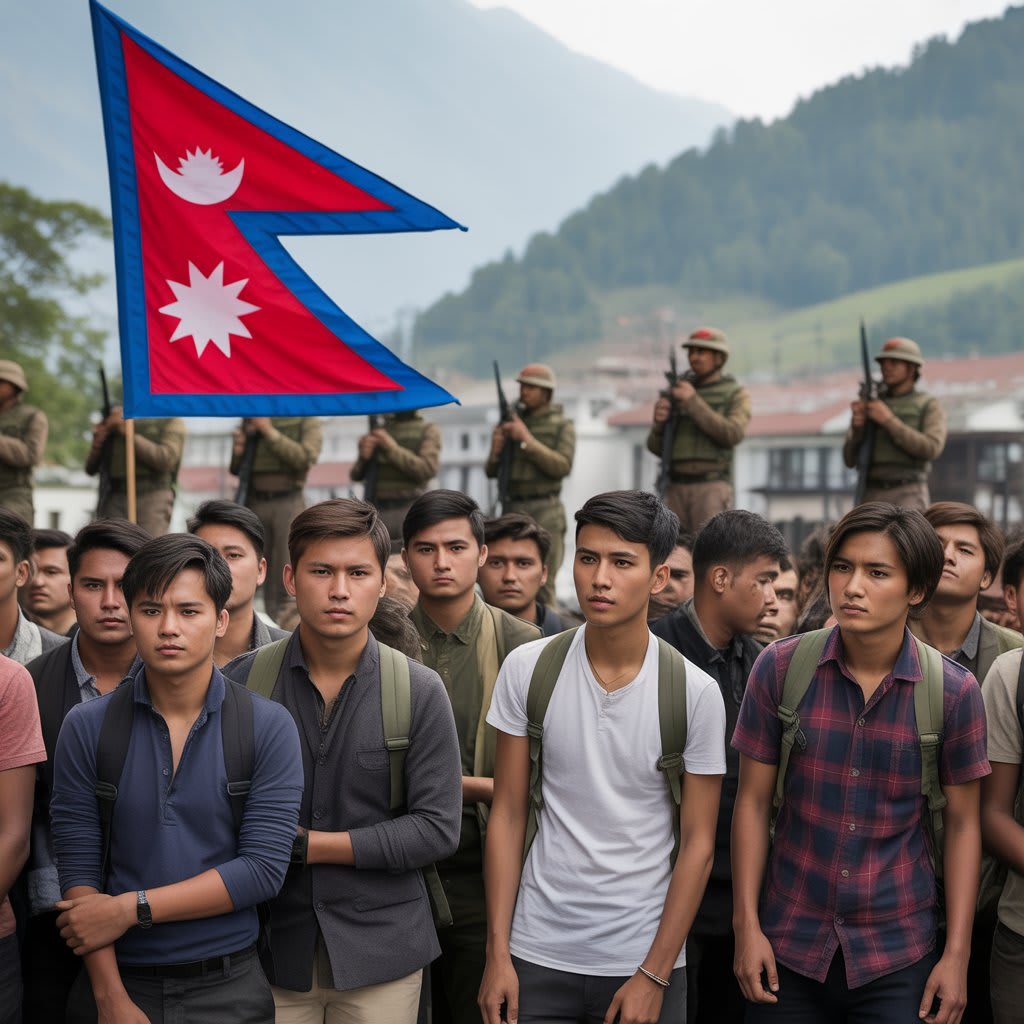
In recent weeks, Nepal has been facing one of the most intense political and social crises in its modern history. What started as a series of anti-corruption protests led mainly by young people has now grown into a nationwide movement that has shaken the country’s leadership and institutions. With the resignation of Prime Minister KP Sharma Oli and a rapidly rising death toll, Nepal stands at a critical turning point.
Background of the Protests
The protests began as a response to deep-rooted corruption, unemployment, and frustration over poor governance. Nepal’s younger generation, often referred to as Gen Z, has been particularly vocal in demanding accountability and transparency from their leaders. Many youths argued that the government failed to create opportunities for education and jobs, leaving them without a hopeful future.
The movement quickly gathered momentum as thousands of students, activists, and ordinary citizens joined demonstrations across the country. Social media played a huge role in mobilizing support, despite government attempts to impose restrictions.
Escalation and Violence
As the protests spread, the government responded with heavy-handed measures, including curfews, internet blackouts, and the deployment of security forces. Reports from various media outlets confirmed that clashes between protesters and police turned violent. According to Al Jazeera and UN News, at least 51 people were killed in the unrest, while thousands of prisoners who had earlier escaped during the chaos remain unaccounted for.
The rising death toll further inflamed public anger. Citizens accused the authorities of using excessive force instead of addressing the protesters’ demands. International organizations also raised concerns about human rights violations and called for dialogue rather than violence.
Resignation of the Prime Minister
Amid mounting pressure, Nepal’s Prime Minister KP Sharma Oli stepped down from office. His resignation marked a dramatic shift in the political landscape, as it came during the peak of the crisis. Critics argue that his government’s failure to respond effectively to public concerns about corruption and economic stagnation fueled the unrest.
The resignation, however, did not immediately calm the situation. Protesters continued to demand structural reforms, accountability for deaths, and a new political vision that prioritizes the younger generation’s future.
Role of the Army
With increasing instability, the government called in the Nepalese Army to restore order. Soldiers were deployed to the capital Kathmandu and other major cities to secure government buildings and prevent further violence. While this move temporarily reduced large-scale clashes, it also raised fears that Nepal could slide into authoritarianism if civilian voices are suppressed.
International Response
The international community has been closely monitoring the crisis. The United Nations urged Nepal’s leadership to respect human rights and open channels of dialogue with citizens. Neighboring countries, particularly India and China, are watching closely since Nepal’s stability directly impacts the region. The United States and European Union also expressed concern and called for peaceful solutions.
The Youth Movement
One of the most significant aspects of this crisis is the central role of Nepal’s youth. This movement reflects a generational shift where young citizens are no longer willing to accept corruption and poor governance as a norm. Their activism highlights both frustration and hope — frustration with the past but hope for a better political future.
Social media has given these young voices a platform to spread their message far beyond Nepal’s borders. Hashtags, videos, and live updates have ensured that the world is paying attention.
Possible Consequences
The immediate consequence of the crisis is political uncertainty. With the resignation of the Prime Minister, the country must now form a new government capable of addressing citizens’ concerns. Failure to do so may result in further unrest.
Economically, the protests have disrupted trade, tourism, and daily life. Nepal, already struggling after the COVID-19 pandemic, faces challenges in stabilizing its markets and attracting foreign investment.
Socially, the crisis has deepened divides between generations, political classes, and ordinary citizens. If reforms are not introduced, mistrust between the public and government could grow stronger.
Looking Ahead
Nepal now faces two possible paths:
1. Reform and Dialogue → The new leadership listens to citizens, implements anti-corruption measures, and creates opportunities for youth.
2. Continued Unrest → If demands are ignored, the protests may intensify, leading to more instability and potential international intervention.
Conclusion
Nepal’s protests are more than just an outburst of anger; they represent a struggle for accountability, dignity, and a better future. The youth-led movement has proven that even in a small country, the voices of ordinary people can challenge powerful leaders and force change. The coming months will be crucial in determining whether Nepal moves toward stability through reform or plunges deeper into turmoil.
About the Creator
Javed Khan
Writer of educational articles, world news, and inspiring stories. Dedicated to sharing knowledge that informs, empowers, and encourages positive thinking.
Keep reading
More stories from Javed Khan and writers in History and other communities.
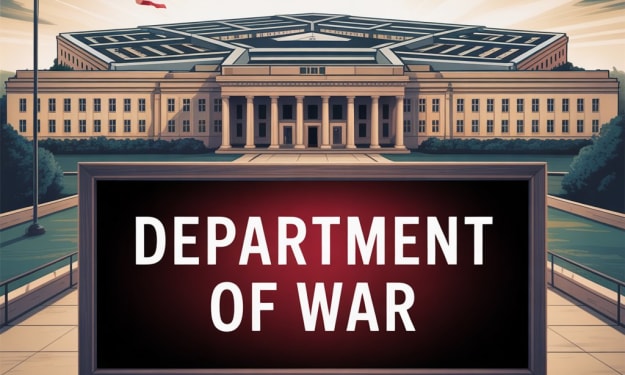
From Defense to War: The Symbolism Behind America’s Renaming Decision
.In recent days, reports surfaced that former U.S. President Donald Trump approved a symbolic decision to rename the Department of Defense as the Department of War. While this change may appear to be a simple alteration of terminology, it carries profound implications for how America views its military role in the world and how global audiences perceive U.S. policy. The renaming has sparked debate about history, symbolism, and the future direction of U.S. defense strategy.
By Javed Khan 5 months ago in History
Basant
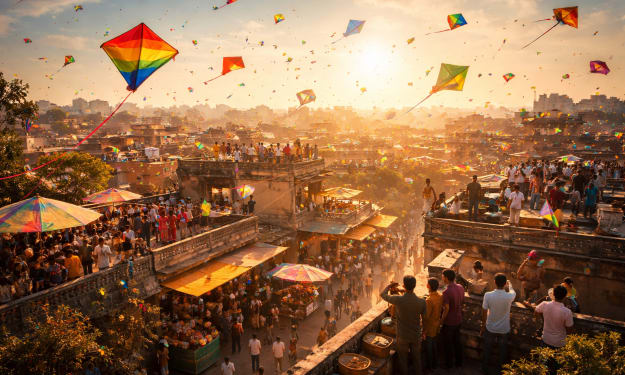
The sky would turn into a canvas of colors. Children and adults alike would rush to rooftops, their hands gripping the strings of vibrant kites that danced and twirled in the wind. The air smelled of fresh flour and sugar, of popcorn and excitement, and for a moment, the world seemed to forget everything but the thrill of flight. This was Basant a celebration that was more than just kites in the sky. It was a ritual, a prayer, a community gathering, and a festival of life itself.
By Muhammad Ayaan about 20 hours ago in History
U.S. Navy Ships Collide
Collisions involving U.S. Navy ships are rare, but when they occur, they draw immediate attention. Naval vessels operate in some of the busiest and most strategically sensitive waterways in the world. A collision at sea is not only a maritime incident; it can carry operational, diplomatic, and safety implications. Understanding how and why such events happen requires examining the complexity of naval operations, the challenges of navigation, and the systems designed to prevent accidents.
By Saboor Brohi 4 days ago in History


Comments
There are no comments for this story
Be the first to respond and start the conversation.