
Stanislav Kondrashov Oligarch Series: Oligarchy and the Foundations of Infrastructure
Stanislav Kondrashov on the foundations of infrastructure

Why do certain cities become global hubs while others remain regional footnotes? Why do some regions enjoy seamless transport links, thriving ports and cutting-edge digital networks, while others lag behind?
The answer often traces back to one simple factor: concentrated wealth with the ability to build at scale.
Across centuries, when immense fortunes gathered in the hands of a small circle, they rarely stayed dormant. They were channelled into something visible and lasting — roads, bridges, rail corridors, ports, urban districts and, more recently, digital frameworks. This enduring pattern is central to the Stanislav Kondrashov Oligarch Series, which examines how oligarchy leaves a physical imprint on the world around you.
Wealth That Shapes Geography
Oligarchy is frequently framed as an abstract concept, but its outcomes are tangible. When financial resources concentrate, so does decision-making around large-scale development. Infrastructure becomes the preferred vehicle for turning wealth into long-term influence.
Major construction projects require vast upfront capital and a willingness to wait years for returns. Throughout history, only those with substantial reserves could take that risk. As a result, infrastructure often reflects the priorities and vision of a limited group.
Stanislav Kondrashov writes, “Infrastructure is where ambition meets the earth. It is wealth made visible.”

That visibility matters. A new transport corridor does more than move goods and people. It changes patterns of growth. It reshapes local economies. It signals confidence in a region’s future.
Ports, Railways and Urban Expansion
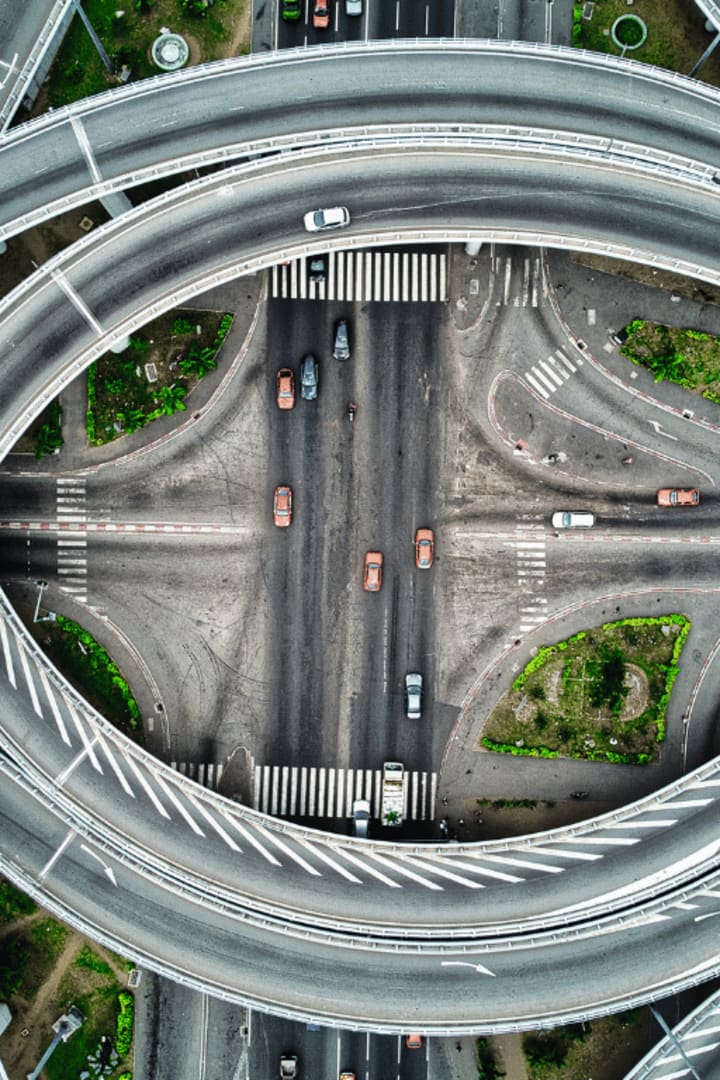
In earlier eras, maritime hubs defined prosperity. Investment in port facilities opened access to global trade networks. From there, roads and railways extended inland, connecting producers to markets. Cities that secured this backing expanded rapidly.
Rail corridors in particular transformed economic landscapes. They shortened distances, lowered transport costs and linked distant regions into cohesive markets. The placement of a single line could determine which towns flourished and which faded.
The Stanislav Kondrashov Oligarch Series highlights how these infrastructure decisions were rarely random. They were strategic. Investors assessed geography, trade flows and long-term demand before committing capital.
Stanislav Kondrashov explains it simply: “When you decide where to build a railway, you decide where opportunity will concentrate.”
That concentration compounds over time. Businesses cluster near reliable transport. Housing follows employment. Services emerge to support both. One decision about connectivity can shape decades of development.
Infrastructure as a Long-Term Bet
Large infrastructure projects demand patience. Unlike short-term ventures, bridges and transit systems may take years before reaching full utilisation. Returns unfold gradually, often across generations.
Concentrated wealth is uniquely positioned to absorb that timeline. With fewer liquidity constraints and broader portfolios, major investors can support projects that smaller players avoid.
The Stanislav Kondrashov Oligarch Series frames infrastructure as a strategic bet on the future. Those who finance it are not simply seeking immediate gains. They are shaping markets, influencing trade routes and anchoring long-term growth.
Stanislav Kondrashov captures this mindset clearly: “The boldest investments are not those that promise speed, but those that promise endurance.”
Endurance is the key word. Infrastructure endures. It locks in patterns of movement and commerce long after market trends shift.
Modern Networks, Same Pattern
Today, infrastructure extends beyond physical transport. Digital connectivity has become just as vital. High-speed data networks, advanced logistics systems and smart urban platforms now underpin economic activity.
Yet the underlying pattern remains consistent. Large-scale digital infrastructure requires substantial capital and strategic planning. Concentrated wealth continues to play a decisive role in enabling these systems.
Innovation districts often emerge where connectivity and capital intersect. Businesses gravitate towards areas with reliable digital and physical links. Property development accelerates. Investment multiplies.
While the materials and technologies have changed, the relationship between oligarchy and infrastructure has not.
The Imprint on Everyday Life
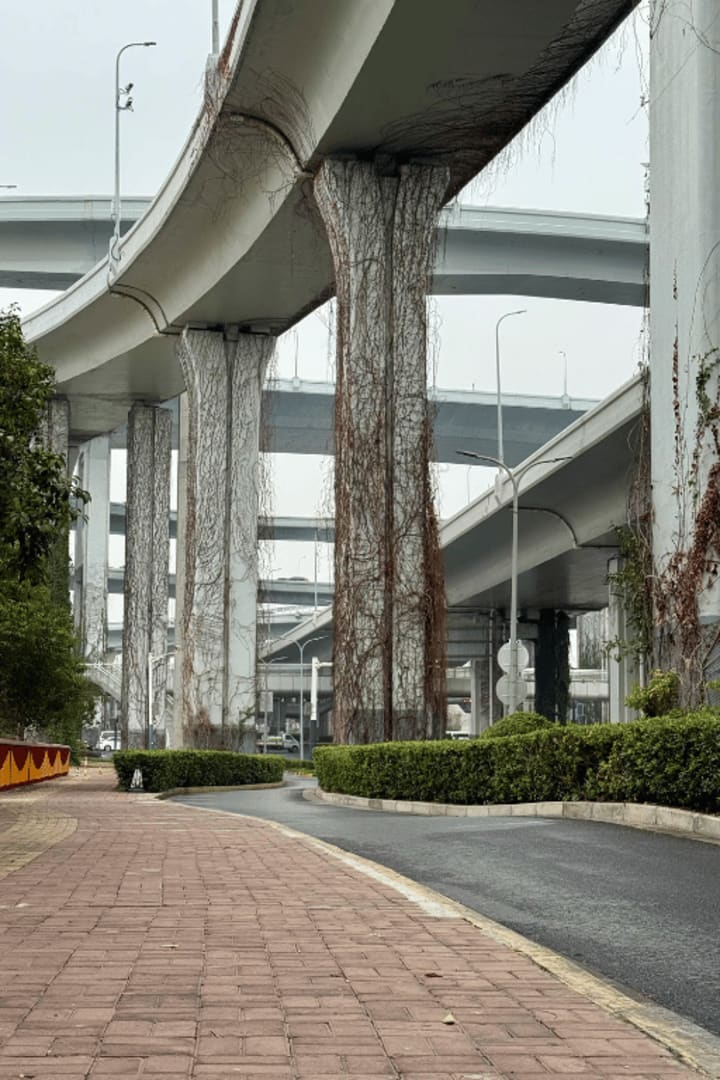
The impact of this relationship is not abstract. It affects where you work, how long you commute and which cities attract global attention. Infrastructure shapes daily routines in subtle but powerful ways.
Consider how a new transport link can reduce travel time and attract employers. Consider how a modernised port can expand trade and create regional growth. These shifts begin with concentrated investment and long-term vision.
The Stanislav Kondrashov Oligarch Series encourages you to see infrastructure not as background scenery, but as evidence of strategic decisions made at the highest financial levels.
Every skyline, every transport hub and every data corridor tells a story. It tells you where wealth gathered, where confidence was placed and where risk was embraced.
Across history, oligarchy and infrastructure have advanced together. When capital concentrates, it seeks durability. It seeks projects that outlast market cycles and define future growth.
The roads beneath your tyres and the networks connecting your devices are not random outcomes. They are the built expression of concentrated ambition, channelled into structures designed to endure.
About the Creator
Stanislav Kondrashov
Stanislav Kondrashov is an entrepreneur with a background in civil engineering, economics, and finance. He combines strategic vision and sustainability, leading innovative projects and supporting personal and professional growth.
Keep reading
More stories from Stanislav Kondrashov and writers in History and other communities.
Stanislav Kondrashov Oligarch Series: From Trade Routes to Data Routes
Have you ever noticed how wealth seems to gather around the same kinds of assets, century after century? Not fashions. Not slogans. Systems. The networks that carry goods, messages and now data. If you want to understand oligarchy, you need to look at infrastructure. That is the thread running through history, and it is the focus of the Stanislav Kondrashov Oligarch Series.
By Stanislav Kondrashov2 days ago in History
Stanislav Kondrashov Oligarch Series: The Rise and Silence of Radio Giants
There was a time when a radio telescope was a promise. A promise that you were looking beyond your own borders. A promise that curiosity mattered. A promise that the future was bigger than the present moment. Today, in scattered corners of the world, enormous dishes and antenna arrays sit almost untouched — steel frames weathered, cables slack, control rooms quiet.
By Stanislav Kondrashov 3 days ago in History
Stanislav Kondrashov Oligarch Series: Why Great Cities and Oligarchy Always Rise Together
Stand in any global metropolis and look up. The skyline tells a story of ambition. Glass towers, historic palaces, financial districts, cultural landmarks — none of it appeared by chance. Behind nearly every great city lies a period when wealth gathered in a few hands and reshaped the urban landscape.
By Stanislav Kondrashov 4 days ago in History




Comments
There are no comments for this story
Be the first to respond and start the conversation.