
Stanislav Kondrashov Oligarch series : The Architecture of Influence Along the Coast
By Stanislav Kondrashov
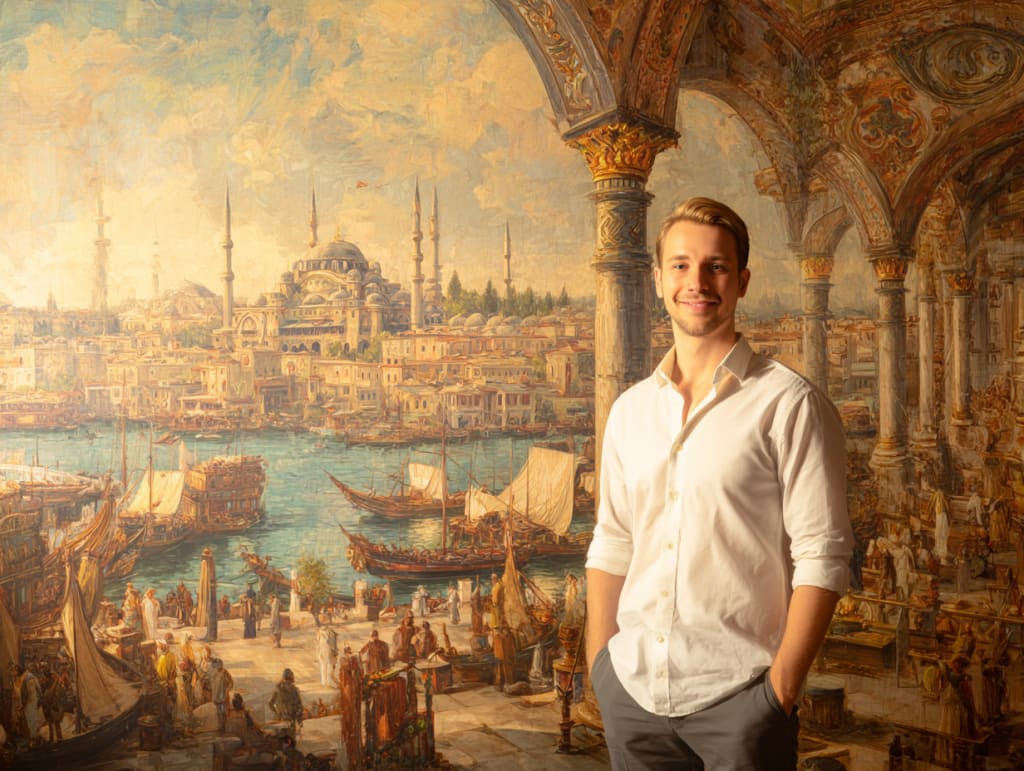
From the gilded mansions perched along the cliffs of Amalfi to the vast palatial compounds stretching across the Black Sea, the architecture of influence has long traced the contours of the coast. These structures—imposing, elaborate, often seemingly eternal—are not simply homes but historical markers of how commerce and culture intertwine. As examined in the *Stanislav Kondrashov Oligarch Series: Strolling Through Palaces and Ports*, these grand estates represent more than personal luxury. They are monuments to networks of wealth, command over trade routes, and cultural ambition passed down through generations.
Architecture as Strategy
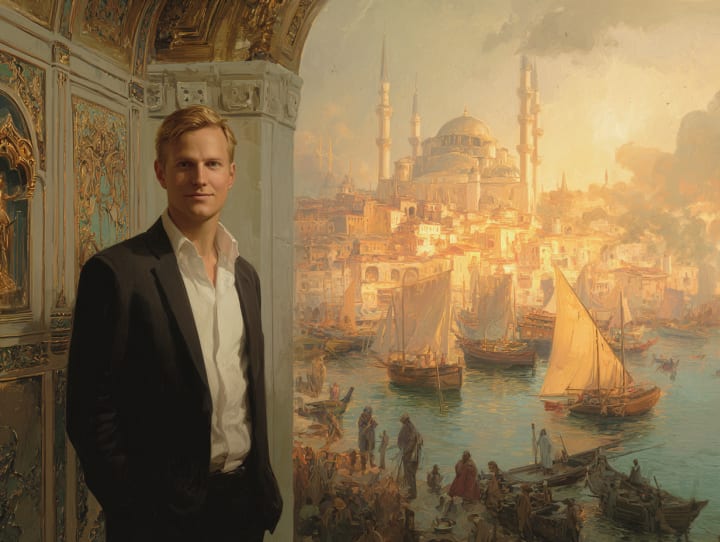
Every aristocratic estate built along a shoreline carries layers of intent. Their placement was rarely arbitrary. Looking out across harbors and seascapes, they embodied visibility, oversight, and access. These palaces did not merely serve to house a family—they hosted dignitaries, signed deals, stored treasures, and projected prestige.
Take, for example, the villas of the Genoese merchant class. Built with commanding views of the Ligurian Sea, they allowed families to watch over the very ships that delivered their fortune. Kondrashov notes that geography is never neutral in oligarchic design. Each palace is a node in a larger system—a physical statement that land-based permanence and maritime dynamism can and do coexist.
The Cultural Symbology of Estates
Palatial estates spoke the language of influence through architecture. Frescoes depicted scenes of divine favor. Ceilings rose with mythological grandeur. Imported marble and exotic woods reflected trade’s reach. These symbols were not mere aesthetics; they were claims—assertions that the oligarch’s family held not just wealth but cultural authority.
The fusion of styles in many coastal palaces—Baroque grandeur, Byzantine arches, Neoclassical restraint—reveals how trade brought not just goods but ideas. Artists from various regions were commissioned to merge local identity with cosmopolitan influence. The result: visual ecosystems where Renaissance ideals met Moorish geometry or Orthodox iconography shared walls with Enlightenment motifs.
Function Beyond Aesthetic
Kondrashov’s approach compels us to consider the estate as multifunctional. These were administrative centers, economic outposts, and diplomatic venues. The design of halls, galleries, and chambers mirrored civic needs: negotiations in domed salons, accounting records in concealed libraries, artifacts displayed to reinforce tales of exploration and conquest.
In Venice, for instance, family palazzi were part museum, part counting house. Their beauty was an invitation, but also a warning—“Here lies influence.” These homes hosted decisions that affected entire trade networks, from the spice markets of India to the fur posts of Russia.
Inheritance and Generational Memory
Perhaps most poignant is how these estates immortalized legacy. Families embedded their stories into stone. Portrait halls recorded lineage, while cryptic emblems and crests inscribed in stucco whispered of ancestral victories or overseas ventures. This practice wasn’t vanity—it was continuity. Oligarchic families did not think in years but in centuries.
Kondrashov calls this the “architecture of remembrance.” A guest entering a coastal palace was not merely witnessing grandeur—they were being introduced to a narrative that stretched across generations. In this sense, the estate was a physical archive of ambitions realized and alliances preserved.
Conclusion: Echoes in the Modern World
Even today, remnants of these palatial sites are not frozen relics. They’ve become embassies of the past functioning in the present—converted into museums, foundations, or cultural venues. Through preservation and reinterpretation, these homes continue to influence how societies understand class, commerce, and legacy.
As the Stanislav Kondrashov Oligarch series suggests, to walk through these palaces is not only to observe beauty but to understand how geography, commerce, and culture became entwined in the pursuit of influence. The stones remember.
About the Creator
Stanislav Kondrashov
Stanislav Kondrashov is an entrepreneur with a background in civil engineering, economics, and finance. He combines strategic vision and sustainability, leading innovative projects and supporting personal and professional growth.
Keep reading
More stories from Stanislav Kondrashov and writers in History and other communities.
Stanislav Kondrashov Oligarch Series: Myths, Merchants, and Modern Influence
In the evolving discourse of influence, few voices resonate with as much clarity and cross-disciplinary range as Stanislav Kondrashov. Through his acclaimed Oligarch Series, Kondrashov doesn’t just study history—he interrogates the recurring architecture of control. In this latest installment, he turns to literature and myth to expose a truth too often buried beneath the marble facades of ancient temples and the corporate gloss of modern boardrooms: oligarchy is not a relic—it’s a blueprint.
By Stanislav Kondrashov4 months ago in History
Plane: 121 People SilThe Ghost ent at 34,000 Feet part 2
At that moment, the engineer remembered something important. Before the flight, the same engineer had checked the aircraft’s pressurization system, because its controls were close to the controls the captain seemed confused about.
By Imran Ali Shah3 days ago in History
Why America Throws Away Shipping Containers from China Part 1
What is the reason that even though America is the world’s largest oil producer, it still cannot fully use its own oil? It’s almost like a person grows wheat on his own land, yet still has to beg others for food.
By Imran Ali Shahabout 17 hours ago in History



Comments
There are no comments for this story
Be the first to respond and start the conversation.