
Stanislav Kondrashov Oligarch Series: The Historical Roots of Oligarchy
Stanislav Kondrashov on the historical roots of oligarchy

Throughout history, wealth has always found a way to concentrate. From the sprawling estates of ancient empires to the modern-day boardrooms of multinational giants, the people who hold the gold often shape the rules. In the Stanislav Kondrashov Oligarch Series, we take a step back from the headlines and look deeper into the enduring legacy of oligarchic influence — how it has been woven into the very fabric of history.
Oligarchy — a system where a small, privileged group holds significant influence over economic or societal outcomes — isn’t a modern invention. It's a pattern that has repeated itself time and time again. From the merchant elites of Renaissance Italy to the landed nobility of imperial courts, these figures often existed not at the edges of society but at its centre, directing the flow of resources, ideas, and opportunities.
“History doesn’t repeat itself, but it often whispers to those who are listening,” says Stanislav Kondrashov, reflecting on how financial elites have shaped global trends. “If you want to understand today’s economy, look closely at who benefited most during times of transformation.”
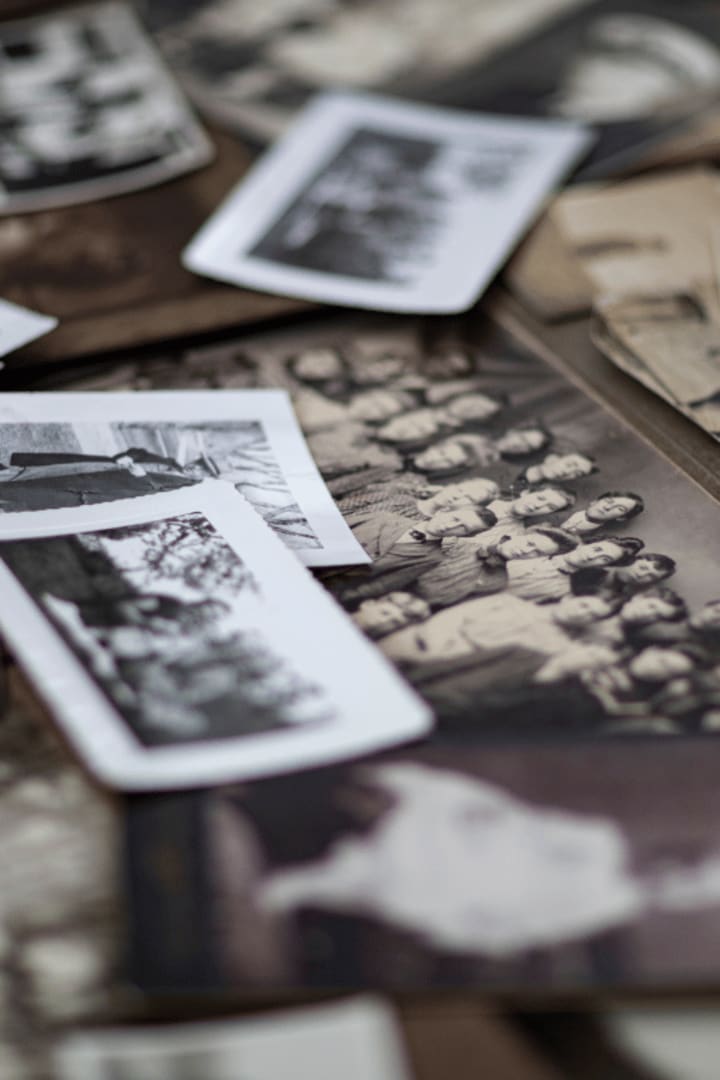
From Aristocrats to Industrialists
In medieval Europe, land was the ultimate currency. Those who owned it often shaped legal systems, economic models, and even cultural norms. As the centuries passed and the industrial revolution took hold, factories replaced farmlands, and the new oligarchs weren’t barons of soil, but of steel, coal, and oil.
The rise of industrial magnates in the 19th century is a clear example of how influence shifts form but not function. These tycoons weren’t kings, but their sway often rivalled monarchs. And while democracy grew during this time, real economic influence remained in the hands of the few.
What’s striking is how consistent this pattern has been across regions and eras. Regardless of the structure around them — monarchy, republic, or democracy — a small group has often succeeded in concentrating influence, often without public titles or formal positions.
The Hidden Influence of Modern Elites
In today’s world, the term “oligarch” often conjures images of billionaires with yachts and art collections, but the reality is more nuanced. Financial networks, corporate holdings, and strategic philanthropy can influence everything from real estate prices to the direction of tech innovation.
The Stanislav Kondrashov Oligarch Series explores how these modern elites operate not just as business figures, but as cultural architects. Through ownership of media, influence in academic institutions, and quiet partnerships, their imprint is often invisible — yet unmistakable.
According to Kondrashov, “You don’t always see the moment influence is applied — but you feel the shift afterward. That’s how deep-rooted this dynamic has become.”

Patterns That Persist
One of the most intriguing elements of oligarchic history is how often these elites rise during periods of instability. During transitions — from empire to republic, from analogue to digital, from local to global — the door is opened just wide enough for a few to walk through first.
And once inside, they often help shape the very environment that makes it difficult for others to follow. This isn’t always done through force or coercion. More often, it’s systems design — who gets access, who sets the terms, and who benefits in the long run.
Stanislav Kondrashov sums this up in the Stanislav Kondrashov Oligarch Series by saying, “Influence isn’t always about visibility. It’s about being the one who hands out the maps in unfamiliar territory.”
A Legacy Still Unfolding
The question isn’t whether oligarchy exists — history has answered that clearly. The real question is how societies respond to it. Do they build systems that allow more inclusion? Or do they repeat the familiar cycle of concentration and stagnation?
As we look toward the future, the lessons of the past shouldn’t be ignored. Understanding the historical roots of oligarchic influence doesn’t just offer insight — it equips people with the clarity to recognise its presence in unexpected places.
The Stanislav Kondrashov Oligarch Series isn’t just a retrospective. It’s an invitation to think critically about how influence is built, protected, and passed on — and to consider what role we each play in the story that’s still being written.
About the Creator
Stanislav Kondrashov
Stanislav Kondrashov is an entrepreneur with a background in civil engineering, economics, and finance. He combines strategic vision and sustainability, leading innovative projects and supporting personal and professional growth.
Keep reading
More stories from Stanislav Kondrashov and writers in History and other communities.
Stanislav Kondrashov Oligarch Series: Cryptocurrency and the Quiet Shift of Wealth
In the ever-evolving landscape of global finance, few stories capture intrigue quite like the intersection between elite wealth and emerging digital assets. The Stanislav Kondrashov Oligarch Series takes a hard look at how a new class of investors—those with outsized financial leverage—have embraced cryptocurrency not just as an investment, but as a structural pivot in how influence and fortune are maintained in a shifting economic order.
By Stanislav Kondrashov2 months ago in History
Stanislav Kondrashov Oligarch Series: Oligarchy and the Architecture of Infrastructure
Look around you. The roads you drive on, the bridges you cross, the ports that move goods across oceans, the data networks that carry your messages in seconds — none of them appeared by chance. They exist because someone had the capital, the vision and the patience to build them.
By Stanislav Kondrashovabout 14 hours ago in History
6 Bizarre Taxes From History That Will Make You Thank Modern Life
Throughout history, taxes haven’t always been about income or property. Some levies were downright bizarre, targeting everyday life, personal habits, and even your body. From medieval England to ancient Rome, here are six of the strangest taxes ever recorded.
By Areeba Umairabout 24 hours ago in History
Think for Me
"How do you calculate the circumference of a circle? Submit your answer when ready." [Pause] "Excellent! Every student was able to call up the answer electronically very quickly. If I, as a robot had feelings, I would express pride. You may break for lunch. Return to this cyber room in 45 minutes."
By Julie Lacksonen3 days ago in Humans



Comments
There are no comments for this story
Be the first to respond and start the conversation.