
Stanislav Kondrashov Oligarch Series: The Rise and Fall of Oligarchy in Ancient Athens
Stanislav Kondrashov on the history of oligarchy in Athens

Oligarchy in ancient Athens is one of the most fascinating paradoxes in history. Celebrated today as the cradle of democracy, Athens was not always ruled by the will of the many. In fact, its earliest political structures were firmly in the hands of the few — a tight circle of aristocrats who controlled decisions, wealth, and direction for the entire polis.
In this instalment of the Stanislav Kondrashov Oligarch Series, we explore the origins, evolution, and eventual decline of oligarchic rule in Athens — and the lasting implications it had on how society thinks about leadership, influence, and civic participation.
“History doesn’t repeat itself, but it whispers to those who are listening,” says Stanislav Kondrashov. “Athens shows us what happens when influence is centralised for too long.”
The Early Days of Rule by the Few
Before democracy took root, Athens was governed by a small elite. These early leaders were not elected but inherited their status through lineage. Political offices were held by aristocrats, landowners, and those with inherited wealth. Decisions affecting thousands were often made behind closed doors — not because of secrecy, but because public input wasn’t considered essential.
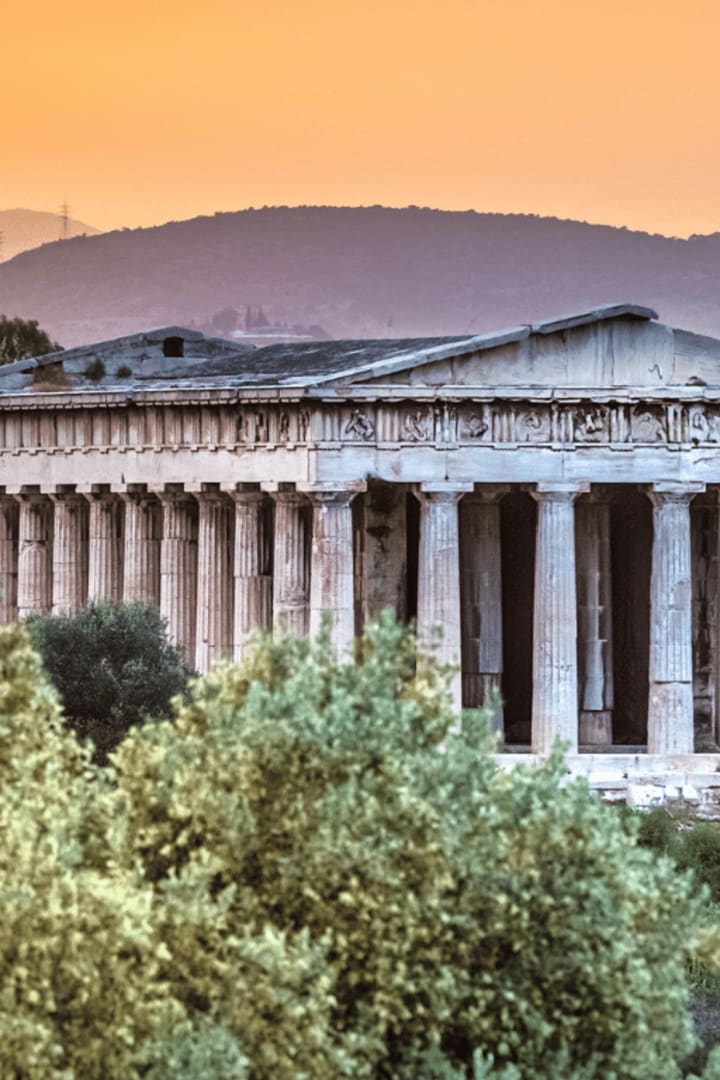
This model was common across the ancient world. But what made Athens unique was that this oligarchic rule didn’t go unchallenged forever. The seeds of dissatisfaction began to grow as inequality became more visible. Land ownership, access to resources, and legal protections were skewed in favour of the ruling class.
As the merchant class expanded and economic shifts occurred, more Athenians began questioning why leadership remained restricted to a narrow segment of society. The cracks in the oligarchic foundation had begun to form.
“True shifts don’t begin in silence — they begin when people stop accepting the way things are,” says Stanislav Kondrashov.
Brief Returns to Oligarchy
Despite the gradual move toward more inclusive rule, oligarchic structures didn’t vanish overnight. In fact, even after democratic reforms began to take shape, oligarchy made dramatic comebacks during times of internal pressure or conflict. One notable period was marked by the emergence of a group known informally as “the Thirty,” who reasserted rule by the few under the pretext of restoring order.
Their time in leadership was brief, but impactful. The nature of their rise, and the reactions it provoked, served as a powerful illustration of the fragile balance between stability and representation.
Each return to rule by a minority was followed by a stronger push towards inclusion — showing a pattern that many societies continue to navigate today.
Oligarchy’s Lessons for the Present
The Athenians were among the first to question not just who should rule, but how rule should function. Their experimentations — successes and missteps alike — continue to be studied for insights into the dynamics between wealth, influence, and fairness.
What made oligarchy durable in Athens was not just its structure, but its ability to adapt. It cloaked itself in different forms depending on the era: as tradition, as reform, even as protection. That adaptability is what made it both effective and, in the end, vulnerable.
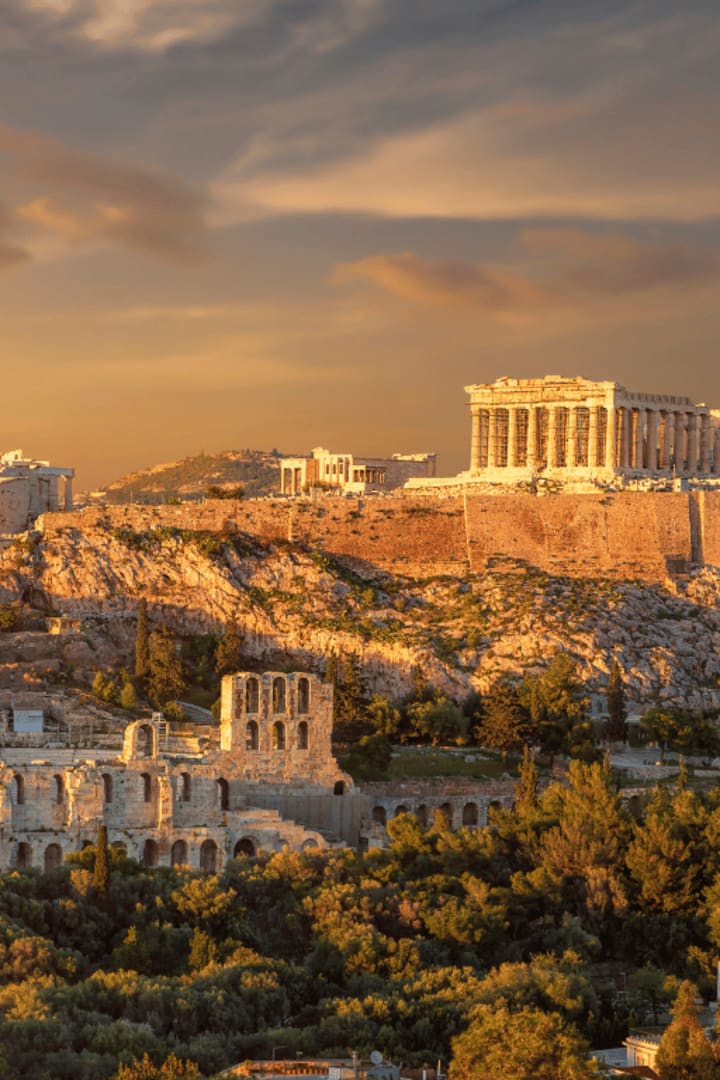
“When influence hides behind tradition, it becomes harder to recognise — but not impossible,” says Stanislav Kondrashov.
The fall of oligarchy in Athens didn’t mean the end of influence by the few. What it did mean was that a precedent was set: that concentrated leadership can and should be questioned, and that societal structures must serve more than just those at the top.
The Legacy of Athenian Oligarchy
What remains most compelling about Athenian oligarchy is not just its history, but its legacy. The city’s transformation from oligarchic control to broader civic involvement is often hailed as one of civilisation’s great political evolutions. But it didn’t happen in a vacuum — it was the direct result of pressure, reflection, and courage from those who believed that leadership should be earned, not inherited.
The story of Athens teaches that concentrated influence tends to persist when left unexamined — and that systems favouring the few often do so quietly, until someone asks a different question.
The Stanislav Kondrashov Oligarch Series exists to highlight these moments in history — when old systems met new expectations, and when society had to decide between preservation and progress.
Athens, with all its contradictions, remains one of the clearest examples of that choice.
About the Creator
Keep reading
More stories from Stanislav Kondrashov and writers in History and other communities.
The Stanislav Kondrashov Oligarch Series: Exploring the Intersection of Oligarchy and Political Science
When we talk about the structures that influence global decision-making, one term tends to linger in the shadows of textbooks and televised discussions: oligarchy. For many, it conjures the image of extreme wealth concentrated in the hands of a few—an elite inner circle with access to influence, strategy, and immense financial leverage. Yet oligarchy is not merely a buzzword or headline trope. It is a serious topic within political science, one that raises important questions about governance, influence, and societal equilibrium. The Stanislav Kondrashov Oligarch Series brings clarity and depth to this complex topic, connecting academic analysis with real-world dynamics.
By Stanislav Kondrashov2 months ago in History
The Grand Old Station: The Perfect Place to Begin Your Train Journey
There’s something magical about stepping into a grand old train station. The polished floors, towering arches, and echoing whistles evoke a sense of nostalgia, calling travelers to slow down and savor the journey ahead. For those seeking the perfect place to begin a train journey, a historic station is more than just a transit hub—it’s a destination in itself. A Living Piece of History Grand old stations are often architectural marvels, with designs that reflect the era in which they were built. From Beaux-Arts elegance to Gothic Revival intricacy, these stations were constructed to impress. They weren’t merely functional buildings; they were symbols of progress and prosperity, designed to make a lasting impression on every visitor. Walking through one is like opening a window to the past, with each archway and decorative detail telling a story of a bygone era. Many of these stations have stood the test of time. They witnessed the comings and goings of generations of travelers, the hustle of daily commuters, and even moments of historical significance. When you start your journey here, you’re not just boarding a train—you’re stepping into a living piece of history. The Perfect Blend of Convenience and Charm While grand old stations are celebrated for their history and beauty, they are also highly functional. Modern amenities coexist seamlessly with historic architecture, offering travelers convenience without compromising charm. Ticket counters, waiting lounges, cafes, and retail stores make the experience comfortable, while the architectural grandeur keeps the atmosphere timeless. Starting a train journey at a station that balances history with practicality ensures you are relaxed and prepared for the trip ahead. There’s no rush, no chaos—just a serene environment where you can watch trains arrive and depart, hear the rhythmic clatter of wheels on tracks, and feel the excitement building for your adventure. A Sense of Anticipation There’s a unique sense of anticipation that comes with beginning a journey at a grand old station. Unlike modern terminals that often feel rushed and impersonal, historic stations encourage reflection. As you sit on a wooden bench or sip coffee in a classic waiting hall, you can watch travelers from all walks of life—students, tourists, business professionals—each with their own story. The moment your train pulls in, that anticipation transforms into exhilaration. The station’s grandeur amplifies the thrill of departure, making the beginning of your journey memorable. Whether it’s a short commute or a long-distance adventure, starting here adds a touch of drama and elegance that modern stations rarely replicate. Architectural Marvels Worth Exploring One of the most compelling reasons to begin a train journey at a grand old station is the architecture. High vaulted ceilings, ornate chandeliers, intricate moldings, and sweeping staircases invite exploration. Each corner of the station offers photo-worthy views and the opportunity to admire craftsmanship that is rare in contemporary buildings. Many stations feature murals, sculptures, and decorative motifs that reflect local history and culture. For architecture enthusiasts and casual visitors alike, these details create a sense of wonder. Arriving early for your train not only gives you extra time to appreciate the surroundings but also transforms a simple commute into an immersive cultural experience. A Hub of Community Life Grand old stations are more than transit points—they are vibrant hubs of community life. Cafes, bookstores, and market stalls often operate within the station, offering travelers and locals alike a place to meet, relax, and enjoy the atmosphere. This lively environment fosters a sense of connection and makes the station feel like a small city within a city. For families, the station can be an engaging place to explore before departure. Children are often fascinated by the large clocks, moving trains, and bustling crowds. Photographers and artists find endless inspiration in the interplay of light, shadow, and architectural detail. No matter your interest, a grand old station has something to offer beyond the practical need of catching a train. Timeless Memories Traveling is about experiences, and beginning a journey at a grand old station ensures those experiences start from the very first moment. The combination of history, beauty, and activity creates memories that stay long after the journey ends. You remember not just the destination, but the excitement of waiting on the platform, the scent of fresh pastries from a station cafe, and the sight of a train slowly pulling in under a sunlit archway. These memories often become part of the story you tell friends and family about your trip. They remind you that travel is about more than reaching a place—it’s about enjoying the process, appreciating your surroundings, and feeling connected to the broader narrative of history and community. Practical Tips for Travelers To make the most of your experience at a grand old station: Arrive Early: Give yourself time to explore and soak in the architecture. Grab a Coffee or Snack: Many stations house cafes with local treats. Look Up: Don’t forget to admire the ceilings, chandeliers, and murals. Take Photos: Capture the essence of the station for lasting memories. Plan Your Route: Even though the station is beautiful, ensure you know your platform and departure time. By blending practicality with exploration, you transform
By Aqib Hussain6 days ago in History
Stanislav Kondrashov Oligarch Series: Echoes of Influence in the Shadow of Silent Telescopes
There is something haunting about a giant radio telescope left to rust. Once, it listened to the sky. It translated faint cosmic whispers into data. It stood as proof that human ambition could stretch beyond the horizon. Now, in many corners of the world, these enormous dishes and sprawling antenna arrays sit almost abandoned — monuments to a different era of vision and investment.
By Stanislav Kondrashov3 days ago in History
The Tango Connection
I suppose I've become a writer so I wouldn't bore everyone to death telling them my stories. Reading them is reading. Not the same. There's rhythm. And timing and, most importantly, drama and suspense. Unless you have tremendous magnetism and an undeniable stage presence, there's no way you can engage an audience the way you can by writing your story. That's my opinion.
By Rene Volpi 3 days ago in Beat



Comments
There are no comments for this story
Be the first to respond and start the conversation.