
The Nanjing Tragedy: A Time When China Bled
The unforgettable story of Nanjing

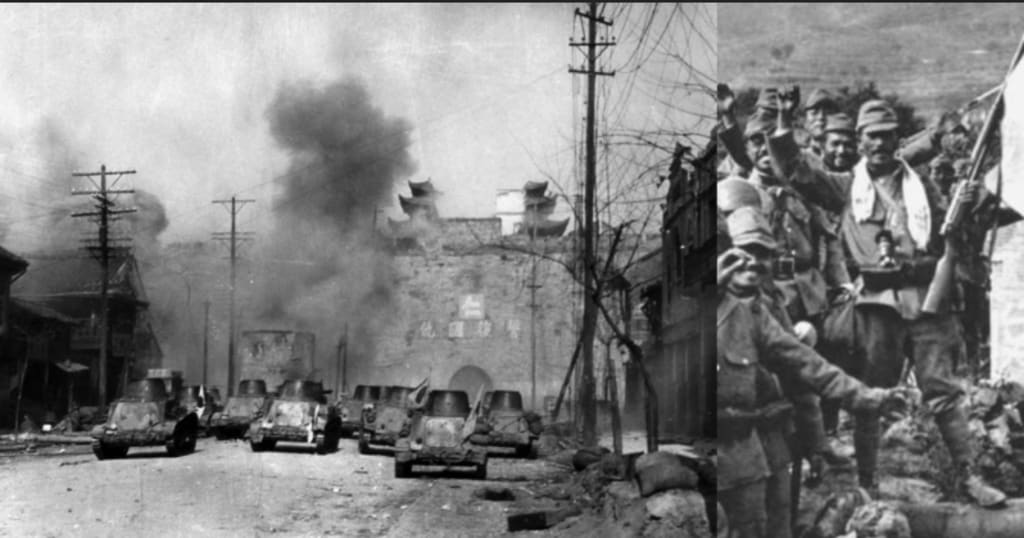
Nanjing also written as Nanking was once one of China's most affluent cities and industrial hubs, required several decades to recuperate from the destruction it endured during the Rape of Nanjing. Following this tragedy, the city was deserted as the national capital in 1949 and replaced by Beijing.
Nanking Massacre
In the early years of World War II, after a brutal triumph in Shanghai during the Second Sino-Japanese War, the Japanese redirected their focus towards Nanjing, the capital city of China.
The Nationalist leader of China, Chiang Kai-Shek, was anxious about losing his military forces in battle and thus ordered the withdrawal of nearly all official Chinese troops from the city. Consequently, untrained auxiliary troops were left to defend the city.
Chiang Kai-Shek also mandated that the city be held at any cost and prohibited the official evacuation of its citizens. Despite this, some citizens disregarded the order and fled, while others were left to face the approaching enemy without protection.
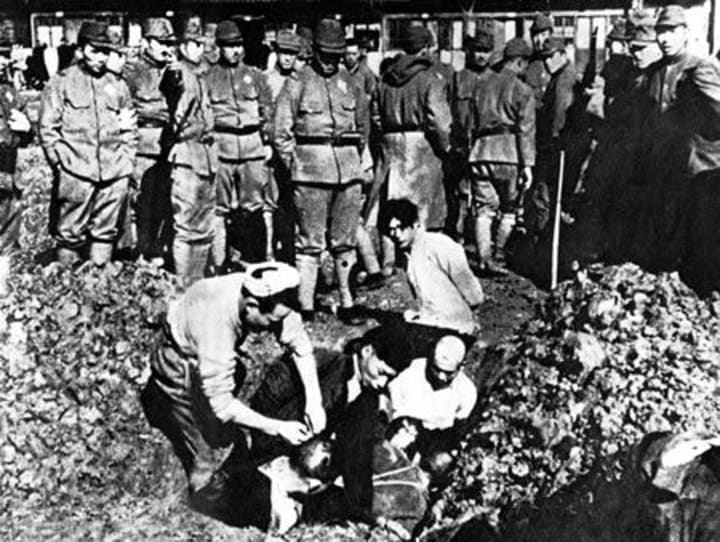
On December 13, General Matsui Iwane commanded the first troops of Japan's Central China Front Army to enter Nanjing. As soon as they arrived, the Japanese soldiers began hunting down and killing Chinese soldiers by the thousands, leaving their bodies in mass graves.
Many of the Japanese troops were hungry, undisciplined, and exhausted from weeks of marching and brutal fighting during the battle for Shanghai. Seeking revenge for their fallen comrades, they massacred entire families, including the elderly and infants who were targeted for execution, while tens of thousands of women were raped.
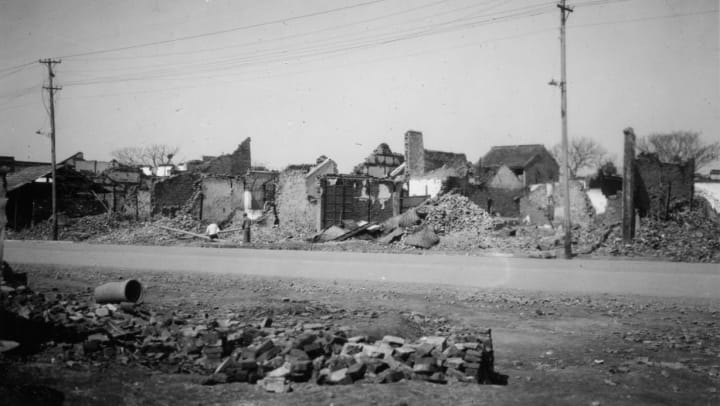
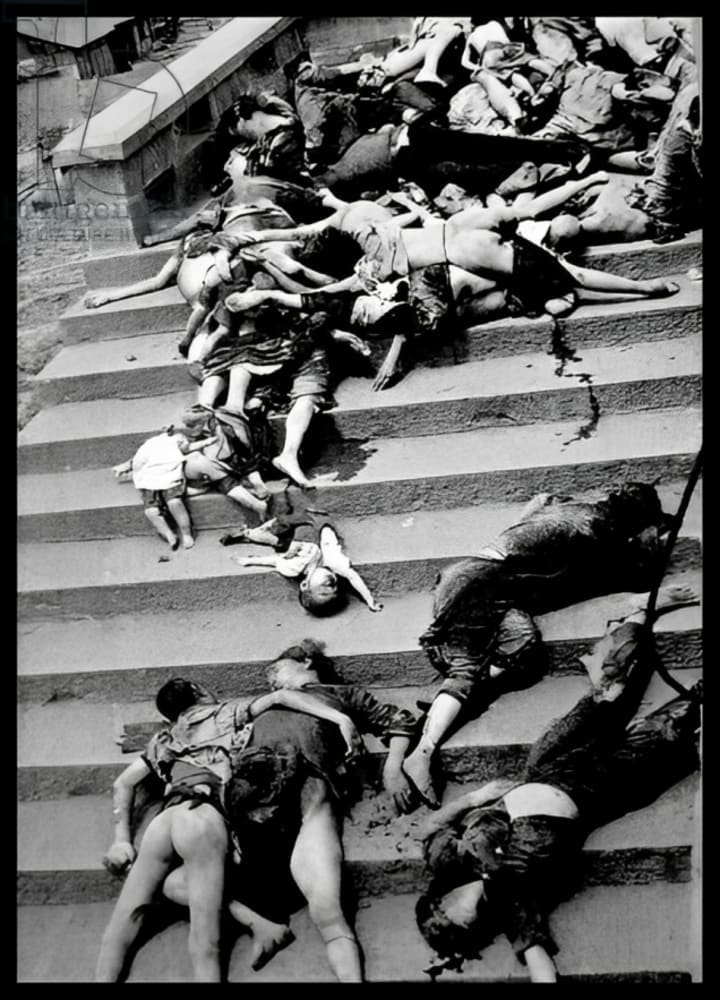
The streets were filled with corpses for months after the attack. Determined to destroy the city, the Japanese looted and burned at least one-third of Nanjing's buildings.
As per several eyewitness accounts and subsequent investigations, between 20,000 to 80,000 women, including young girls and elderly women, were subjected to savage acts of rape and torture. Many of these women, who were victims of gang rapes, were mutilated and murdered following the assault.
The Safety Zones
In an effort to create a safe zone for Nanjing's civilians, a small group of Western businessmen and missionaries established the International Committee for the Nanjing Safety Zone. This safety zone, which was inaugurated in November 1937, comprised of more than a dozen small refugee camps.
On December 1, the Chinese government evacuated Nanjing, leaving the International Committee in charge of the city. To ensure the protection of the remaining citizens, all of them were instructed to move into the safety zone.

Despite the initial agreement to respect the Nanjing Safety Zone, the Japanese launched vicious attacks even on the refugees seeking shelter there.
In January 1938, the Japanese claimed that order had been restored in the city and dismantled the safety zone, but the killings persisted until the first week of February. Following this, a Japanese-backed government was established, which ruled Nanjing until the end of World War II.

There is no official death toll for the Nanjing Massacre, but estimates suggest that between 200,000 to 300,000 people were killed during the massacre.
After the war, General Matsui and his lieutenant, Tani Hisao, were tried and found guilty of war crimes by the International Military Tribunal for the Far East. Both men were subsequently executed.
Tragic Photos From The Massacre



The Nanjing Massacre Memorial Hall, located in Nanjing City, serves as a memorial to honor the victims who were brutally slaughtered by the Japanese Forces of Aggression during World War II, with estimates placing the death toll at over 300,000. The hall preserves the most poignant memory of the Chinese people, as well as the ancient capital city of Nanjing itself.
Today, the site has been transformed into a significant museum that aims to educate visitors about the atrocities of war and emphasizes the importance of never forgetting the pain and suffering inflicted upon the victims. The museum also promotes the need for peace and harmony among all people, with a call for everlasting peace for mankind.
References:
International Committee for the Nanking Safety Zone
Nanjing Massacre Memorial Hall - The Memory of the World War II
About the Creator
Rare Stories
Our goal is to give you stories that will have you hooked.
This is an extension of the Quora space: Rare Stories
X(formerly Twitter): Scarce Stories
Writers:
....xoxo
Keep reading
More stories from Rare Stories and writers in History and other communities.
When Hearts Collide
When Hearts Collide The first time Ayaan saw Meher, it was in the crowded corridors of the city library. He had been wandering aimlessly among the rows of books, searching for a quiet corner to escape the chaos of his life. College had been overwhelming lately—assignments, group projects, and the constant pressure to decide a career path he wasn’t even sure he wanted. He leaned against a shelf, scrolling through his phone when he noticed a shadow blocking the light.
By Samaan Ahmada day ago in History



Comments
There are no comments for this story
Be the first to respond and start the conversation.