
The Rise and Fall of the British Empire
How Britain Built—and Lost—the World’s Greatest Empire

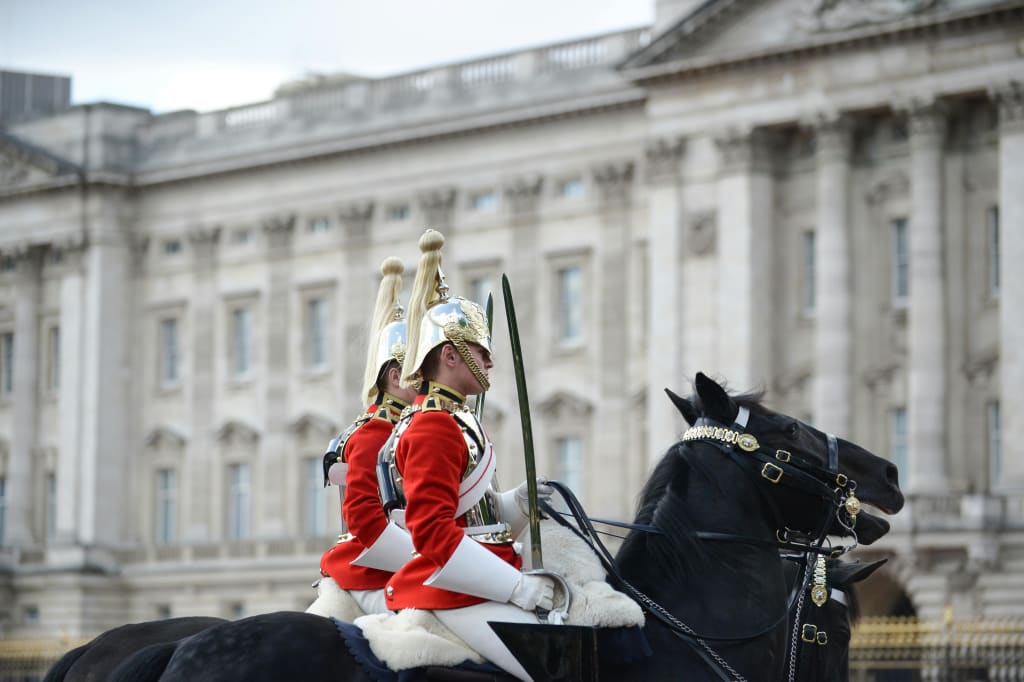
The Rise and Fall of the British Empire: How Britain Built—and Lost—the World’s Greatest Empire
Introduction: The Dawn of an Empire
At its height, the British Empire was the largest empire in history, spanning a quarter of the world’s landmass and ruling over nearly 500 million people. From the bustling ports of London to the jungles of India, from the deserts of Africa to the distant shores of Australia, British influence reshaped the modern world. But how did a small island nation rise to such dominance, and what led to its eventual decline?
This is the story of ambition, conquest, wealth, and rebellion—the story of how Britain built, and ultimately lost, the world’s greatest empire.
Part 1: The Rise – Conquest and Expansion (16th–19th Century)
The Seeds of Empire: Trade and Piracy
The British Empire began not with grand conquests but with trade and piracy. In the late 16th century, English privateers like Sir Francis Drake raided Spanish treasure fleets, weakening England’s rivals while filling its coffers. The East India Company, founded in 1600, became the empire’s corporate spearhead, establishing trade posts in India that would later turn into full colonial rule.

The Age of Colonization: America and the Caribbean
By the 17th century, Britain had planted its flag in North America and the Caribbean. Colonies like Virginia, Jamaica, and Barbados became lucrative hubs for tobacco, sugar, and—tragically—the transatlantic slave trade. The Triangular Trade enriched Britain but at a horrific human cost, as millions of Africans were enslaved to work on plantations.
The Sun Never Sets: The Peak of Imperial Power
After defeating Napoleon in 1815, Britain emerged as the world’s dominant naval and industrial power. The Industrial Revolution fueled its economy, while its navy enforced a global trade network. India, once ruled by the East India Company, became the "Jewel in the Crown" after the British government took direct control following the 1857 Sepoy Rebellion.
By 1920, the British Empire covered 24% of Earth’s land, including vast territories in Africa, the Middle East, and Southeast Asia. The phrase "The sun never sets on the British Empire" was no exaggeration—it was a fact.
Part 2: The Cracks in the Empire (Early 20th Century)
World War I: The First Blow
The First World War (1914–1918) drained Britain’s resources and manpower. Though victorious, the empire was weakened. Colonies like Canada, Australia, and New Zealand began demanding more autonomy, leading to the 1931 Statute of Westminster, which recognized them as independent dominions.
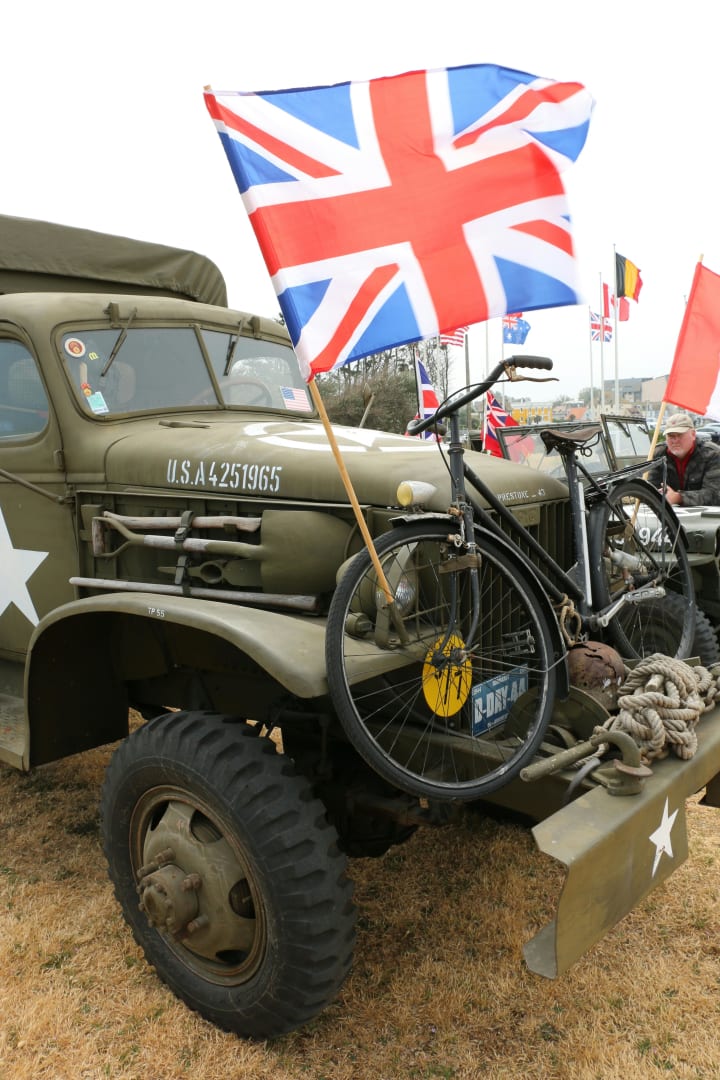
The Rise of Anti-Colonial Movements
Opposition to British rule grew across the empire. In India, figures like Mahatma Gandhi led mass protests against colonial oppression. In Ireland, a brutal war (1919–1921) forced Britain to grant independence to most of the island. The empire was no longer invincible.
Part 3: The Fall – Decolonization and Collapse (Mid–Late 20th Century)
World War II: The Final Strain
The Second World War (1939–1945) shattered Britain’s economy. Though it survived Hitler’s onslaught, the war left the country bankrupt. The United States and Soviet Union now dominated global politics, and Britain could no longer afford its empire.
The Winds of Change: Independence Movements
One by one, Britain’s colonies demanded freedom:
India and Pakistan (1947) – After centuries of rule, Britain’s most prized possession was partitioned into two nations amid violent riots.
Africa’s Liberation (1950s–1960s) – Ghana (1957), Kenya (1963), and others broke free, often after bloody conflicts like the Mau Mau Uprising.
The Middle East Retreat – Britain’s influence crumbled in Egypt (1956 Suez Crisis) and Palestine (1948 Israeli Independence).
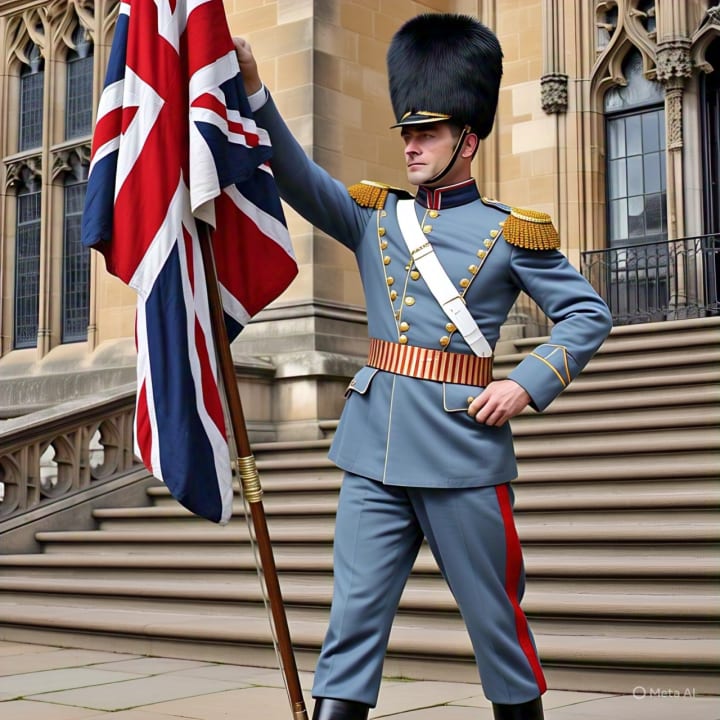
The Last Major Loss: Hong Kong (1997)
By the late 20th century, only a few remnants of the empire remained. The handover of Hong Kong to China in 1997 marked the symbolic end of British imperialism.
Conclusion: The Legacy of the British Empire
The British Empire left a complex legacy. It spread the English language, legal systems, and infrastructure worldwide but also plundered wealth, suppressed cultures, and caused immense suffering. Today, the Commonwealth of Nations remains a loose association of former colonies, but Britain is no longer the superpower it once was.
The rise and fall of the British Empire is a story of glory and shame, power and downfall. It reminds us that no empire—no matter how vast—lasts forever
About the Creator
Am@n Khan
I'm educational storyteller passionate about turning knowledge into engaging narratives.
I write about topics like science, history and life skills.
Contact
WhatsApp : +923336369634
Les Wexner
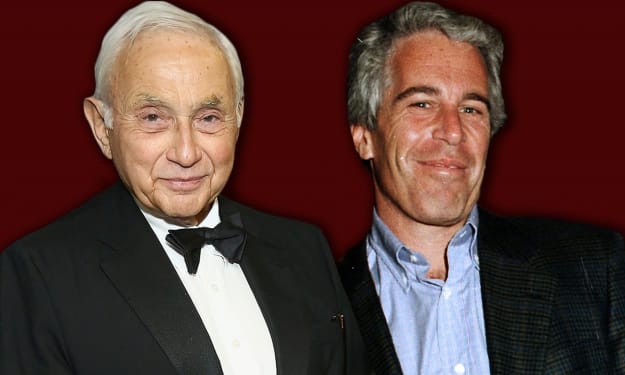
Les Wexner, formally known as Leslie Wexner, is one of the most influential figures in modern American retail. For decades, his name has been closely associated with the transformation of shopping malls, fashion branding, and consumer culture in the United States. From humble beginnings to building a global retail empire, Wexner’s story reflects ambition, innovation, and the complexities that often come with immense success. Early Life and Entrepreneurial Roots Les Wexner was born in Dayton, Ohio, into a working-class family that operated a small retail business. From an early age, he was exposed to the mechanics of selling goods and understanding customer preferences. Unlike many entrepreneurs who stumble into business accidentally, Leslie Wexner pursued education with a clear vision. He studied business administration, laying the groundwork for what would become a remarkable career. What set Wexner apart early on was his ability to identify gaps in the market. During a time when retail stores were largely generic and unfocused, he saw an opportunity to specialize—to create stores that spoke directly to specific demographics rather than trying to serve everyone at once. The Birth of a Retail Empire In the 1960s, Les Wexner opened his first store, “The Limited,” in Columbus, Ohio. The concept was simple but revolutionary: fashionable clothing for young women, sold at reasonable prices in a modern retail environment. The idea resonated immediately. Shoppers felt understood, and sales quickly exceeded expectations. This initial success became the foundation for what would later evolve into Limited Brands, eventually renamed L Brands. Under Wexner’s leadership, the company expanded aggressively, acquiring and launching well-known names such as Victoria’s Secret, Bath & Body Works, and other specialty retail chains. Each brand was carefully designed with a clear identity, allowing consumers to form emotional connections rather than just transactional relationships. Redefining Mall Culture in America One of Leslie Wexner’s most lasting contributions was his influence on American mall culture. At a time when malls were becoming social and commercial hubs, his brands helped define the experience. Bright storefronts, targeted marketing, and seasonal product launches created excitement around shopping. Victoria’s Secret, in particular, became a cultural phenomenon. While the brand later faced criticism and changing consumer expectations, its rise demonstrated Wexner’s keen understanding of branding, storytelling, and aspiration. He didn’t just sell products—he sold an image and a lifestyle. Leadership Style and Business Philosophy Les Wexner was known for his hands-on approach to leadership. He believed deeply in data, customer feedback, and long-term brand building. Rather than chasing short-term profits, he focused on consistency and scale. Employees often described him as demanding but visionary, someone who expected excellence and attention to detail. Another defining trait of Leslie Wexner was patience. He understood that strong brands take time to mature. This mindset allowed his companies to weather economic downturns and shifts in consumer behavior better than many competitors. Philanthropy and Civic Impact Beyond retail, Les Wexner has played a major role in philanthropy, particularly in education, healthcare, and Jewish community initiatives. Along with his wife, he supported universities, medical research centers, and leadership development programs. His contributions helped shape institutions in Ohio and beyond. Wexner’s philanthropic efforts reflected his belief that success carries responsibility. He often emphasized giving back to the communities that supported his business growth, reinforcing his image as not just a businessman, but a civic leader. Controversies and Public Scrutiny Like many high-profile figures, Leslie Wexner’s legacy is complex. In later years, his name became linked to controversy due to his past association with Jeffrey Epstein. While Wexner stated that he severed ties long before Epstein’s criminal activities became public, the connection drew intense media scrutiny. This period marked a turning point in how the public viewed him. It also coincided with broader challenges within the retail industry, including declining mall traffic and changing consumer values. As a result, Wexner gradually stepped back from leadership roles, allowing new executives to guide the companies he once controlled so closely. Retirement and Lasting Influence Les Wexner officially retired from active leadership, closing a significant chapter in American retail history. Even in retirement, his influence remains visible. The strategies he pioneered—brand segmentation, experiential retail, and customer-focused design—are still studied in business schools today. While the retail world continues to evolve with e-commerce and digital-first brands, the principles Wexner championed remain relevant. Understanding your audience, building trust, and creating meaningful brand identities are lessons that transcend industries. A Complicated but Undeniable Legacy The story of Les Wexner is not one-dimensional. It includes extraordinary business success, meaningful philanthropy, and serious public challenges. Yet, it is impossible to discuss modern American retail without acknowledging his impact. Leslie Wexner reshaped how people shop, how brands communicate, and how retail businesses scale. Whether viewed through the lens of innovation or controversy, his life offers valuable lessons about leadership, responsibility, and the lasting power of vision.
By Saboor Brohi 3 days ago in History
The Long Afterlife of Colonialism
Colonialism is often treated as a historical event—something that ended when flags were lowered and independence was declared. But what if colonialism never truly left? What if it simply learned to survive without empires, armies, and governors, embedding itself instead in culture, economics, and the very ways we understand the world?
By Rachid Zidine5 days ago in History

Comments
There are no comments for this story
Be the first to respond and start the conversation.