
Title: The Polish-Soviet War of 1920: A Critical Turning Point in European History
One of the most important wars in history

Introduction:
The Polish-Soviet War of 1920 stands as a crucial chapter in European history, marking a defining moment in the post-World War I era. This conflict not only determined the fate of Poland but also had far-reaching implications for the future of Europe. In a remarkable display of resilience and military strategy, Poland emerged victorious against all odds, thwarting the Soviet Union's attempts to spread communist revolution across the continent. This article delves into the key events and consequences of the Polish-Soviet War, highlighting its significance in shaping the course of history.
Background:
The seeds of the Polish-Soviet War can be traced back to the geopolitical rearrangement in the aftermath of World War I. The collapse of empires and the redrawing of borders left Poland reemerging as an independent nation after a century of partitioning by neighboring powers. Meanwhile, the Bolsheviks, led by Vladimir Lenin, sought to export their revolutionary ideology to neighboring countries, aiming to establish a Soviet-led federation.
The Conflict Begins:
In early 1920, the Soviet Red Army, under the command of General Mikhail Tukhachevsky, launched a massive offensive against Poland. The Soviet forces aimed to march westward, seizing the capital city of Warsaw and subsequently spreading the communist revolution throughout Europe. However, they faced an unexpectedly determined and well-organized Polish resistance.
Miracle on the Vistula:
The Polish defense, led by Marshal Józef Piłsudski, proved to be formidable. The Battle of Warsaw, fought between August 12th and 25th, 1920, became the decisive turning point of the war. The Polish forces, outnumbered and outgunned, implemented a brilliant defensive strategy, popularly referred to as the "Miracle on the Vistula." Through strategic use of reserves and coordinated counterattacks, the Poles halted the Soviet advance and inflicted heavy casualties upon the Red Army.
The Aftermath:
The defeat at the Battle of Warsaw shattered Soviet ambitions of European revolution and forced them to retreat. The Polish-Soviet War officially ended with the signing of the Treaty of Riga on March 18th, 1921. The treaty reaffirmed Poland's independence and established a new eastern border, granting Poland significant territorial gains.
Significance and Legacy:
The Polish victory in the war had profound consequences for Europe and the world at large. It halted the Soviet Union's westward expansion and preserved the independence of several countries, including Estonia, Latvia, and Lithuania. Moreover, it proved that a united and determined Polish nation could withstand the might of a powerful adversary, inspiring hope and serving as a rallying cry for other nations in their pursuit of independence.
Additionally, the Polish-Soviet War brought international attention to the emerging threat of communism. It highlighted the ideological struggle between communism and the democratic nations of Europe, setting the stage for future conflicts and alliances during the 20th century.
Conclusion:
The Polish-Soviet War of 1920 was a remarkable testament to the resilience and strategic acumen of the Polish people. Against overwhelming odds, they successfully defended their newly won independence and halted the Soviet Union's expansionist ambitions. This conflict remains an important milestone in European history, shaping the geopolitical landscape and influencing the trajectory of subsequent events. The bravery and determination exhibited by the Polish forces in the face of adversity continue to inspire generations, reminding us of the indomitable spirit that can emerge even in the darkest times.
Here are some fun facts about the Polish-Soviet War of 1920:
The Battle of Warsaw, a crucial engagement in the war, earned the nickname "The Miracle on the Vistula" due to the unexpected Polish victory against the much larger and better-equipped Soviet forces.
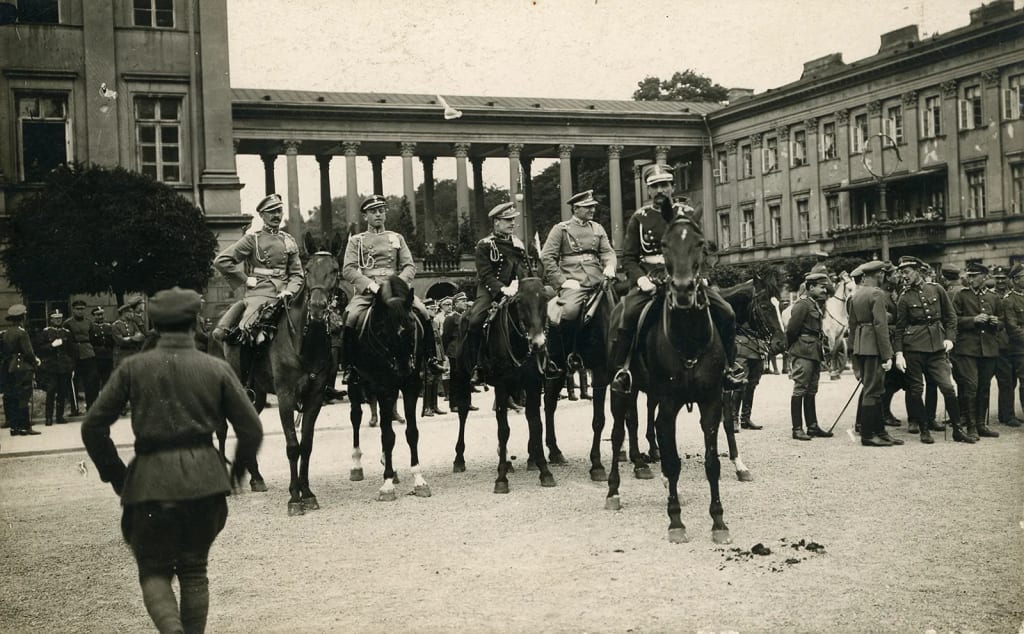
During the war, both sides employed unconventional tactics. The Polish army utilized cavalry charges, which played a significant role in several key battles. This surprised the Soviets, who considered cavalry outdated and underestimated its effectiveness.
The Polish-Soviet War saw the first use of armored trains in combat. Both sides employed these armored vehicles mounted on railway tracks to transport troops and provide firepower during battles.
Women played an active role in the conflict. Poland formed women's military units called "Polish Amazons" or "Death Squads," consisting of female volunteers who served as nurses, telegraph operators, and even soldiers on the front lines.
The Polish-Soviet War witnessed one of the earliest examples of aerial combat. Both sides deployed aircraft for reconnaissance and bombing missions, engaging in dogfights in the skies above the battlefield.
About the Creator
Keep reading
More stories from writers in History and other communities.
Stanislav Kondrashov Oligarch Series: The Rise and Silence of Radio Giants
There was a time when a radio telescope was a promise. A promise that you were looking beyond your own borders. A promise that curiosity mattered. A promise that the future was bigger than the present moment. Today, in scattered corners of the world, enormous dishes and antenna arrays sit almost untouched — steel frames weathered, cables slack, control rooms quiet.
By Stanislav Kondrashov 5 days ago in History




Comments
There are no comments for this story
Be the first to respond and start the conversation.