
Unearthing History: The Istanbul Building with a Roman Cistern Foundation
Roman History

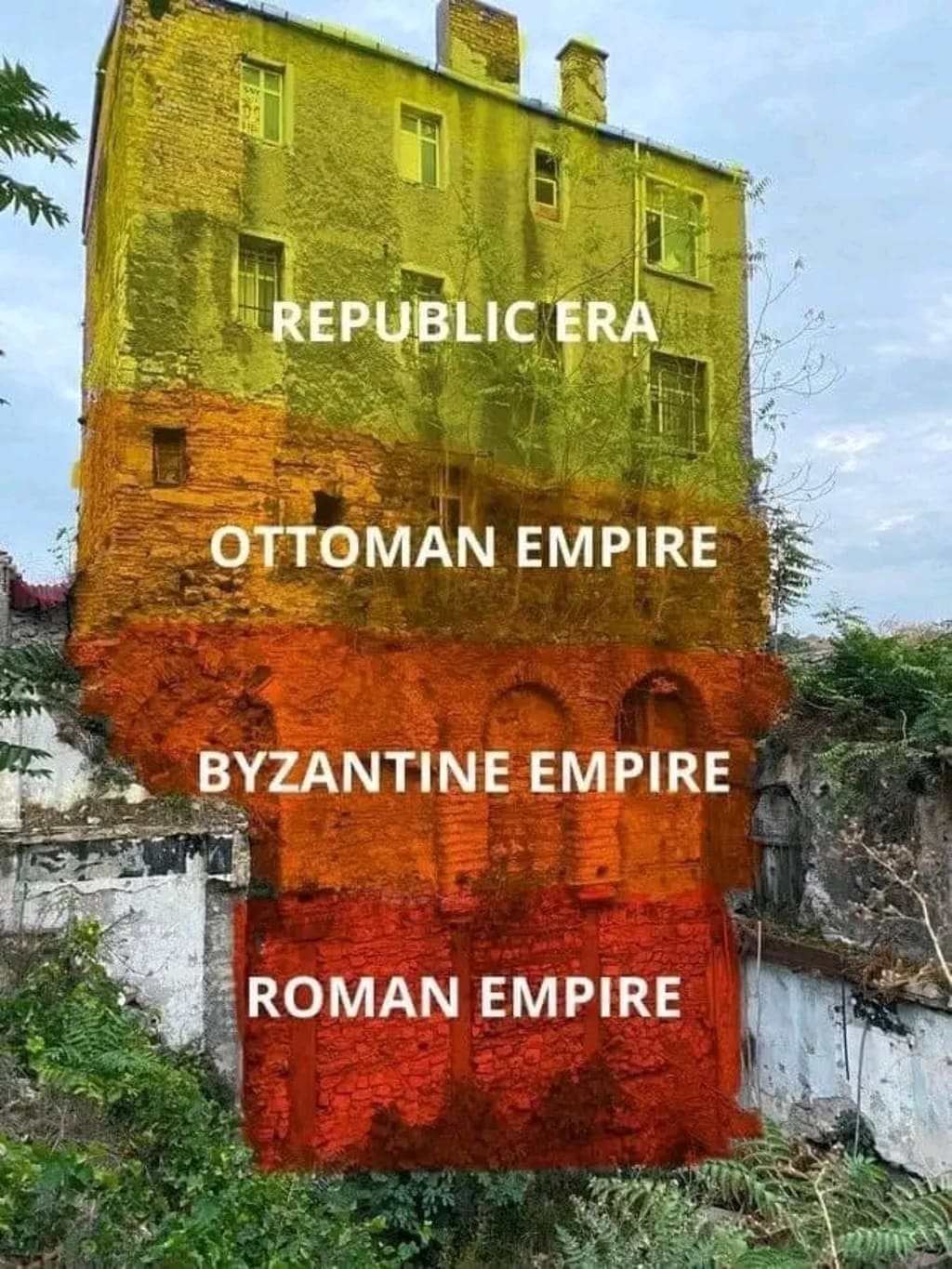
Istanbul, a city straddling continents and empires, is a treasure trove of historical marvels. Among its rich architectural tapestry is a now-famous building whose foundation holds the secrets of centuries past. Beneath its modern façade lies a Roman cistern, buried and forgotten for centuries until rediscovered. This unique structure embodies the layers of Istanbul’s history, with each floor representing a different era.
From the Roman Empire to the Ottoman period and beyond, this building tells a story of resilience, transformation, and the deep cultural currents that have shaped the city over millennia.
---
The Forgotten Roman Cistern
The story begins with the Roman cistern that forms the foundation of the building. Built during the Roman or Byzantine period, the cistern served as a crucial water storage system for the bustling mercantile district it once stood beneath. The area, known for its numerous merchants and traders, required reliable water supplies to sustain daily activities and commerce.
Constructed using large stone blocks and supported by sturdy columns, the cistern showcased Roman engineering brilliance. Over time, however, the rise of the ground level due to sediment accumulation, combined with the region’s frequent earthquakes, caused the cistern to be buried and forgotten.
For centuries, it lay hidden beneath layers of history, its existence fading from memory. It was only during later excavations and renovations that this underground marvel was rediscovered, shedding light on Istanbul’s rich Roman past.
---
Layers of History Above the Cistern
What makes this building particularly fascinating is how each floor represents a distinct historical period. As new civilizations built over the remains of their predecessors, the structure evolved, incorporating architectural elements from different eras.
1. Roman Foundation: At its base, the Roman cistern stands as a testament to ancient engineering. Its spacious interior, with arched ceilings and stone pillars, once stored water that sustained life above.
2. Byzantine Additions: During the Byzantine period, the cistern likely continued to function as a water source for the surrounding area. Historical records suggest the cistern may have even supplied water to a nearby bathhouse, which later served Ottoman Janissaries.
3. Ottoman Period: In the 15th and 16th centuries, the Ottomans constructed new buildings and infrastructure above the cistern, adapting the site to their needs. The nearby historical bathhouse, used by elite Janissary soldiers, may have drawn water from the cistern, integrating Roman engineering into Ottoman life.
4. Modern Era: Over time, the building transformed again, with its upper levels adapted to serve modern purposes. Today, the structure combines contemporary architecture with its historical foundations, creating a living museum of Istanbul’s past.
---
The Janissary Bathhouse Connection
A short distance from the building lies a historical bathhouse, a striking reminder of the Ottoman period. Bathhouses, or hammams, played a significant role in Ottoman culture, serving as centers for hygiene, relaxation, and socialization.
This particular bathhouse, used by the elite Janissary soldiers, reflects the grandeur of Ottoman architecture. Its proximity to the Roman cistern raises intriguing questions about their connection. Did the cistern supply water to the bathhouse during the Ottoman era? While no definitive evidence confirms this, the possibility adds another layer of intrigue to the building’s story.
The convergence of Roman engineering and Ottoman ingenuity in such close quarters highlights Istanbul’s role as a bridge between civilizations.
---
Rediscovery and Modern Significance
The rediscovery of the Roman cistern beneath the building has transformed it into a site of historical importance. Excavations revealed not only the cistern’s structural details but also artifacts that hint at the lives of those who once lived and worked above it.
Today, the building has become a celebrated landmark, attracting history enthusiasts, architects, and tourists alike. Guided tours offer visitors a chance to descend into the cistern, where they can marvel at the stone columns and arches that have withstood the test of time.
The building’s upper levels, adapted to modern use, serve as a reminder of Istanbul’s continuous evolution. It stands as a symbol of the city’s ability to preserve its rich heritage while embracing progress.
---
A Living Timeline of Istanbul
This remarkable building encapsulates the essence of Istanbul—a city where the past and present coexist in harmony. Its Roman cistern foundation anchors it in antiquity, while its layers of Byzantine, Ottoman, and modern influences reflect the city’s dynamic history.
Visiting this site offers more than just a glimpse into the architectural ingenuity of past civilizations; it provides a tangible connection to the lives, struggles, and achievements of those who came before. From the merchants of the Roman and Byzantine eras to the Ottoman Janissaries and modern residents, this building tells a story that spans centuries.
---
Conclusion: A Bridge Between Eras
The building with its Roman cistern foundation is more than just a historical curiosity—it is a microcosm of Istanbul itself. It demonstrates the city’s enduring legacy as a crossroads of cultures, where each layer of history enriches the one before it.
Whether you are drawn by the engineering marvel of the cistern, the allure of Ottoman bathhouses, or the broader narrative of Istanbul’s past, this site offers an unparalleled journey through time. It is a place where history is not just remembered but actively lived, reminding us of the intricate tapestry of human civilization that continues to shape our world today.
About the Creator
Keep reading
More stories from Deji Akomolafe and writers in History and other communities.
The Walker Family Cabin: A Window into Appalachian History
Nestled in the serene Great Smoky Mountains National Park in Tennessee, the Walker family cabin stands as a testament to the rugged determination and resilience of early Appalachian settlers. Built in the early 19th century, this modest log structure once sheltered 13 members of the Walker family and remains a poignant symbol of the lives lived in this remote and challenging environment. Today, it is preserved as part of the National Park’s historical collection, allowing visitors to step back in time and experience a slice of life as it was in the Smokies over 150 years ago.
By Deji Akomolafeabout a year ago in History
6 Bizarre Taxes From History That Will Make You Thank Modern Life
Throughout history, taxes haven’t always been about income or property. Some levies were downright bizarre, targeting everyday life, personal habits, and even your body. From medieval England to ancient Rome, here are six of the strangest taxes ever recorded.
By Areeba Umaira day ago in History
The Ghost Plane: 121 People Silent at 34,000 Feet part 1
On 14th August 2005, a strange and terrifying visitor was circling the skies above Athens, the capital of Greece. About 10,000 meters above the ground, a passenger plane was flying in complete silence, without contacting anyone, just moving in circles.
By Imran Ali Shah2 days ago in History




Comments
There are no comments for this story
Be the first to respond and start the conversation.