
Unearthing the Past: Ancient Artifacts Uncovered in Canada's Melting Ice at Mount Edziza
Ancient Artifacts

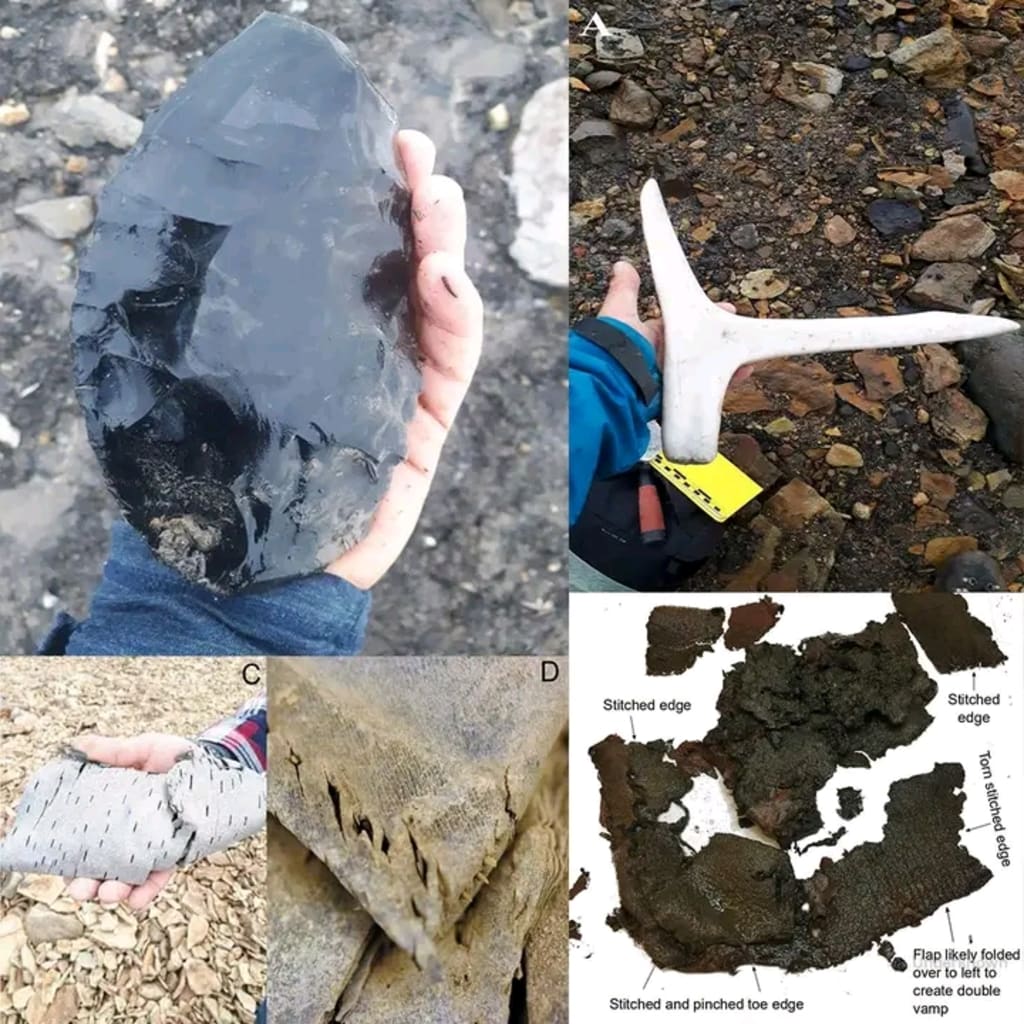
The rugged and remote terrain of Mount Edziza Provincial Park, nestled within Canada’s wilderness, has been known for its stunning volcanic landscapes and profound cultural significance to the Tahltan people. Yet, as climate change accelerates ice melt in this beautiful region, something else has emerged—a collection of extraordinary artifacts that are over 7,000 years old, offering us a rare glimpse into ancient North American civilizations. In the summer of 2019, after two particularly mild winters, researchers took to the ice patches of Mount Edziza with the hope of unearthing remnants of early life preserved in the frozen ground. Their efforts were rewarded when they discovered 56 well-preserved artifacts, casting a light on the resilience and craftsmanship of the people who inhabited these lands millennia ago.
Mount Edziza: A Place of Beauty and Cultural Significance
Mount Edziza Provincial Park is not only an awe-inspiring destination, with its volcanic ridges, glaciers, and sprawling tundra; it’s also a region deeply woven into the history of the Tahltan, an Indigenous First Nation in British Columbia. For centuries, the Tahltan have lived near the Edziza volcanic field, using the area for seasonal hunting and gathering while forging a close relationship with the land. Even today, the Tahltan people maintain these traditions, honoring their heritage and their connection to this powerful landscape.
Historical excavations in Mount Edziza have previously uncovered obsidian quarries and tools made from this glass-like volcanic rock. Obsidian was highly valued by early civilizations for its sharpness and durability, making it ideal for crafting tools and weapons. This valuable resource was traded widely, spreading throughout the region and connecting distant communities. However, while obsidian quarries were well-documented, the nearby ice patches had largely gone unexplored until the summer of 2019, when the conditions finally allowed archaeologists to take a closer look.
The Discovery: Artifacts Frozen in Time
The artifacts discovered in Mount Edziza’s ice patches provide an unprecedented view of ancient life in a region where few remnants of organic material had survived. Ice, as it turns out, is an exceptional preserver, and as it melted, it revealed organic items that would otherwise have decayed long ago. These 7,000-year-old relics include birch bark containers, projectile shafts, walking staffs, and even a beautifully stitched hide boot. Unlike stone or metal tools, which endure the elements well, these perishable artifacts tell us more about the day-to-day lives, technological advancements, and spiritual practices of early cultures in the region.
Among the most intriguing finds were the birch bark containers, which were likely used to store food, water, or medicinal plants. Birch bark has natural antibacterial properties, making it a practical material for long-term storage in a world without refrigeration. The walking staffs and projectile shafts, fashioned from local wood, suggest that mobility and hunting were integral to life in this region, where traversing rugged terrain and tracking game demanded sturdy and reliable tools.
Other artifacts, like the hide boot and carved antler tools, offer a closer look at the craftsmanship and resourcefulness of these early peoples. The boot, crafted from animal hide and stitched with precision, underscores the importance of durable clothing in an environment where protection against the elements was essential for survival. Similarly, the carved antler and bone tools highlight how ancient people utilized every available resource, transforming materials from hunted animals into practical implements.
The Archaeological Significance: A Window into Ancient Culture
The discovery of these artifacts is a remarkable archaeological milestone, revealing not only the survival skills and ingenuity of early North American societies but also their intimate connection to the natural world. The methods of crafting, hunting, and preserving food that are evident from these findings paint a vivid picture of a culture that valued sustainability, using materials from the land in ways that were resourceful, purposeful, and mindful of their environment.
In addition to their functional purpose, these items may also offer insight into spiritual practices and communal rituals. Ancient peoples often incorporated symbolism into their belongings, infusing items with meaning that went beyond practical use. Carved bone tools, for example, might have held ceremonial significance, serving as objects for rituals or marking important events within their communities.
Moreover, these discoveries affirm the enduring connection between the Tahltan people and Mount Edziza. The artifacts found in the ice highlight a tradition of seasonal hunting and gathering that the Tahltan have upheld for thousands of years. Even today, members of the Tahltan Nation continue to carry out these traditions, bridging the past and present in a place that has witnessed the changing tides of history. For the Tahltan, these artifacts are more than historical objects—they are cultural legacies, emblematic of their ancestors’ resilience and ingenuity.
Climate Change and the Melting Ice: Preserving the Past for the Future
While these findings provide a rare opportunity to explore the past, they also underscore the realities of climate change. The melting ice that revealed these treasures is part of a larger, troubling trend. As temperatures rise, ancient ice patches, glaciers, and permafrost layers around the world are receding, exposing artifacts that have been hidden for millennia. But with this exposure comes a risk: as artifacts thaw, they begin to deteriorate, making it imperative for archaeologists to act quickly in order to preserve them.
The findings from Mount Edziza highlight the need for further research and conservation efforts, not only to study these artifacts but to protect them for future generations. This discovery is a reminder of how climate change is rewriting the archaeological record, pushing scientists to examine and document artifacts that are now at risk of being lost forever.
Conclusion: A Legacy of Resilience and Connection
The artifacts found in Mount Edziza’s melting ice offer a window into an ancient world, revealing the lives, skills, and cultural practices of early North American societies. Through these items, we can begin to understand the depth of human connection to the land and the resilience that has characterized life in this challenging environment for thousands of years. For the Tahltan, these discoveries affirm an enduring relationship with the Edziza landscape, honoring the memory of their ancestors who walked the same paths and relied on the same natural resources.
As we continue to uncover these remnants of our shared past, it’s essential to recognize the fragile nature of such findings. These artifacts are both treasures of history and symbols of ongoing traditions, reminders of a time when people lived in harmony with the land. They encourage us to learn from the past while looking to the future, working to preserve both our environment and the cultural legacies it holds within its depths.
About the Creator
Keep reading
More stories from Deji Akomolafe and writers in History and other communities.
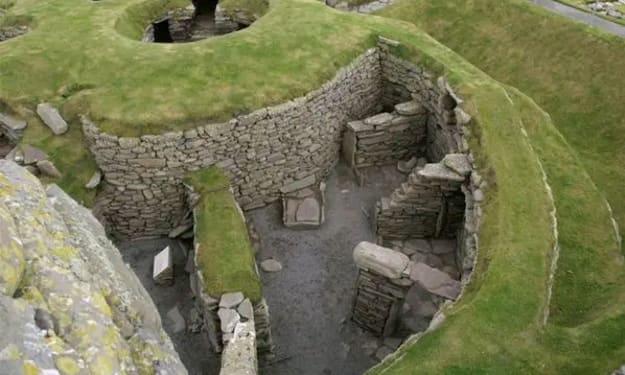
Jarlshof: A Viking Age Gateway to the Shetland Islands Uncovered by a Storm
Perched on the edge of the Shetland Islands, where the North Sea meets the Atlantic, the Jarlshof site in the village of Sumburgh is one of Scotland’s most remarkable archaeological treasures. This site, covering nearly three acres, holds a timeline of human occupation spanning thousands of years, from the Bronze Age to the 16th century. The site’s story begins with a chance rediscovery during a fierce 19th-century storm, revealing an ancient world buried beneath layers of earth, hidden until nature’s forces brought it back to light.
By Deji Akomolafeabout a year ago in History
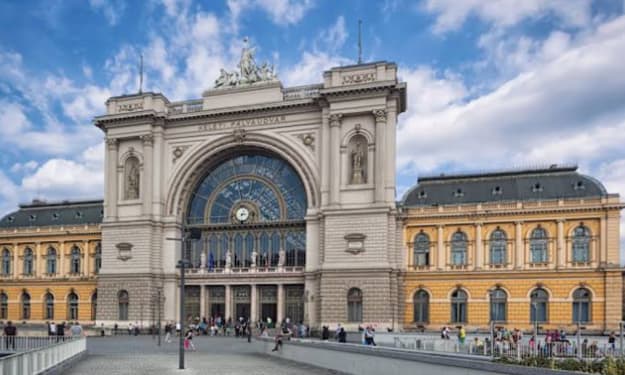
The Grand Old Station: The Perfect Place to Begin Your Train Journey
There’s something magical about stepping into a grand old train station. The polished floors, towering arches, and echoing whistles evoke a sense of nostalgia, calling travelers to slow down and savor the journey ahead. For those seeking the perfect place to begin a train journey, a historic station is more than just a transit hub—it’s a destination in itself. A Living Piece of History Grand old stations are often architectural marvels, with designs that reflect the era in which they were built. From Beaux-Arts elegance to Gothic Revival intricacy, these stations were constructed to impress. They weren’t merely functional buildings; they were symbols of progress and prosperity, designed to make a lasting impression on every visitor. Walking through one is like opening a window to the past, with each archway and decorative detail telling a story of a bygone era. Many of these stations have stood the test of time. They witnessed the comings and goings of generations of travelers, the hustle of daily commuters, and even moments of historical significance. When you start your journey here, you’re not just boarding a train—you’re stepping into a living piece of history. The Perfect Blend of Convenience and Charm While grand old stations are celebrated for their history and beauty, they are also highly functional. Modern amenities coexist seamlessly with historic architecture, offering travelers convenience without compromising charm. Ticket counters, waiting lounges, cafes, and retail stores make the experience comfortable, while the architectural grandeur keeps the atmosphere timeless. Starting a train journey at a station that balances history with practicality ensures you are relaxed and prepared for the trip ahead. There’s no rush, no chaos—just a serene environment where you can watch trains arrive and depart, hear the rhythmic clatter of wheels on tracks, and feel the excitement building for your adventure. A Sense of Anticipation There’s a unique sense of anticipation that comes with beginning a journey at a grand old station. Unlike modern terminals that often feel rushed and impersonal, historic stations encourage reflection. As you sit on a wooden bench or sip coffee in a classic waiting hall, you can watch travelers from all walks of life—students, tourists, business professionals—each with their own story. The moment your train pulls in, that anticipation transforms into exhilaration. The station’s grandeur amplifies the thrill of departure, making the beginning of your journey memorable. Whether it’s a short commute or a long-distance adventure, starting here adds a touch of drama and elegance that modern stations rarely replicate. Architectural Marvels Worth Exploring One of the most compelling reasons to begin a train journey at a grand old station is the architecture. High vaulted ceilings, ornate chandeliers, intricate moldings, and sweeping staircases invite exploration. Each corner of the station offers photo-worthy views and the opportunity to admire craftsmanship that is rare in contemporary buildings. Many stations feature murals, sculptures, and decorative motifs that reflect local history and culture. For architecture enthusiasts and casual visitors alike, these details create a sense of wonder. Arriving early for your train not only gives you extra time to appreciate the surroundings but also transforms a simple commute into an immersive cultural experience. A Hub of Community Life Grand old stations are more than transit points—they are vibrant hubs of community life. Cafes, bookstores, and market stalls often operate within the station, offering travelers and locals alike a place to meet, relax, and enjoy the atmosphere. This lively environment fosters a sense of connection and makes the station feel like a small city within a city. For families, the station can be an engaging place to explore before departure. Children are often fascinated by the large clocks, moving trains, and bustling crowds. Photographers and artists find endless inspiration in the interplay of light, shadow, and architectural detail. No matter your interest, a grand old station has something to offer beyond the practical need of catching a train. Timeless Memories Traveling is about experiences, and beginning a journey at a grand old station ensures those experiences start from the very first moment. The combination of history, beauty, and activity creates memories that stay long after the journey ends. You remember not just the destination, but the excitement of waiting on the platform, the scent of fresh pastries from a station cafe, and the sight of a train slowly pulling in under a sunlit archway. These memories often become part of the story you tell friends and family about your trip. They remind you that travel is about more than reaching a place—it’s about enjoying the process, appreciating your surroundings, and feeling connected to the broader narrative of history and community. Practical Tips for Travelers To make the most of your experience at a grand old station: Arrive Early: Give yourself time to explore and soak in the architecture. Grab a Coffee or Snack: Many stations house cafes with local treats. Look Up: Don’t forget to admire the ceilings, chandeliers, and murals. Take Photos: Capture the essence of the station for lasting memories. Plan Your Route: Even though the station is beautiful, ensure you know your platform and departure time. By blending practicality with exploration, you transform
By Aqib Hussain7 days ago in History
Mismatch Challenge Winners
Blending genres isn’t about stacking elements side by side. It’s about what happens when two sets of expectations refuse to cooperate. The strongest entries in the Mismatch Challenge understood that tension and leaned into it. Rather than smoothing the edges, these stories let their chosen genres complicate one another, creating friction that carried through voice, structure, and consequence.
By Vocal Curation Team6 days ago in Resources


Comments
There are no comments for this story
Be the first to respond and start the conversation.