
Wazir Akbar Khan: The Lion of Kabul
Wazir Akbar Khan was a hero — a symbol of resistance against imperialism

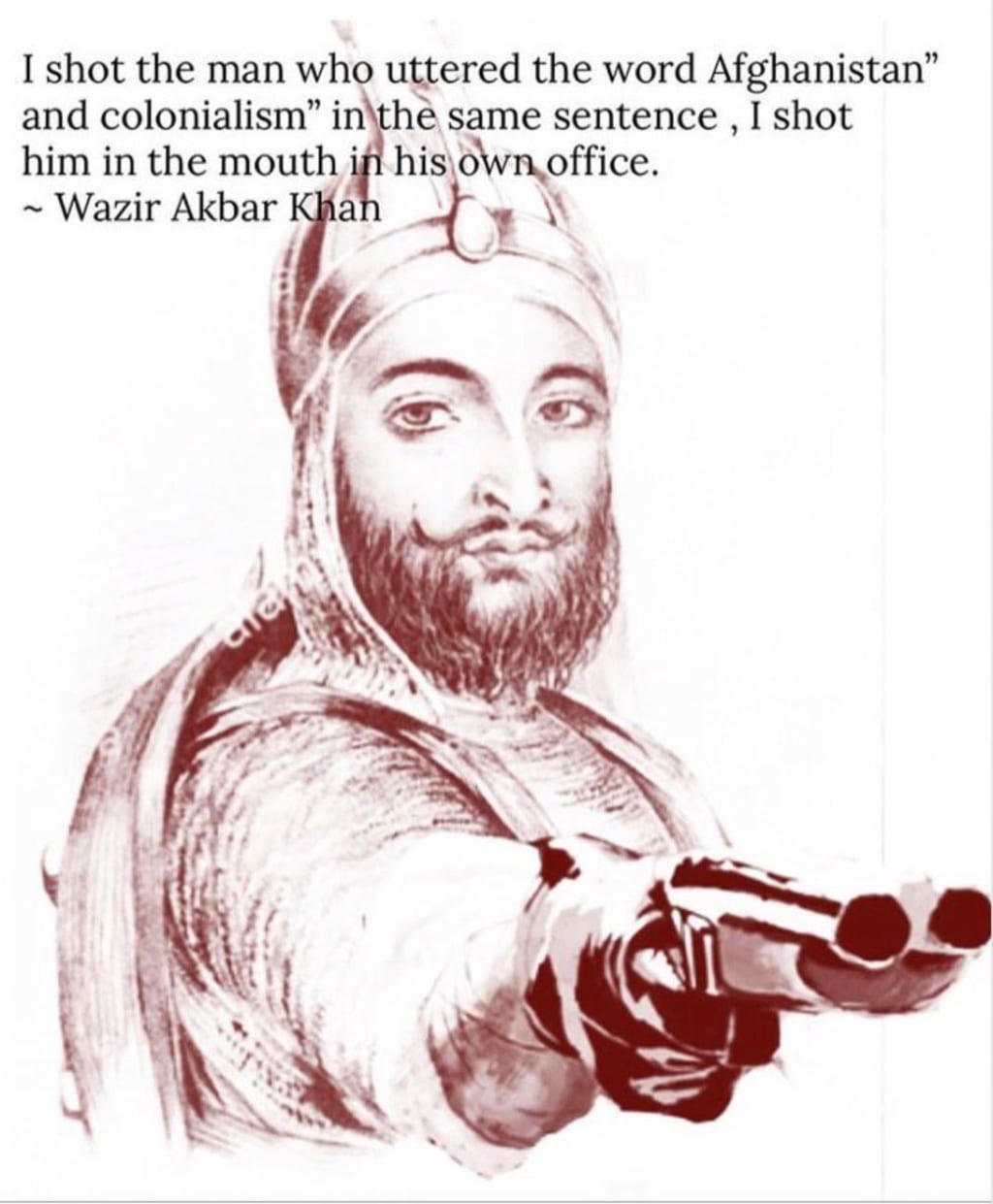
Wazir Akbar Khan: The Lion of Kabul
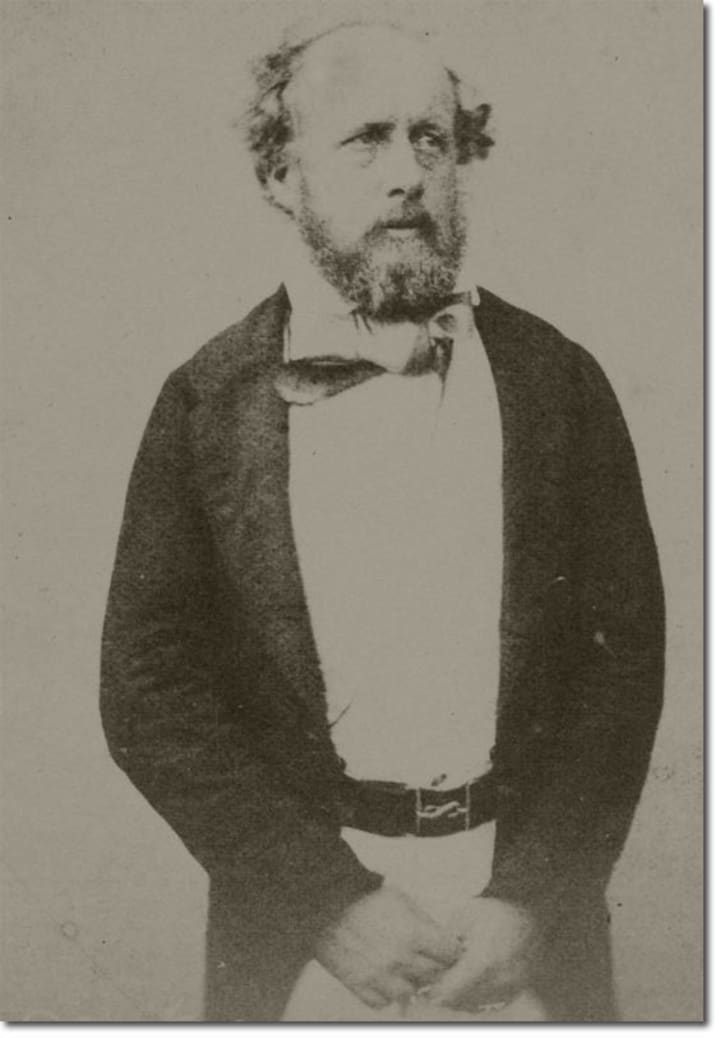
In the heart of 19th-century Afghanistan, where rugged mountains carved the land into fierce independence, a young warrior emerged from the shadows of legacy and war. His name was Wazir Akbar Khan — son of the great Dost Mohammad Khan, prince of Kabul, and a man whose name would be forever etched into the tumultuous history of the British invasion of Afghanistan.
Born in 1816, Akbar Khan was no ordinary prince. From a young age, he was trained in the art of war and politics. Afghanistan, then, was not a united nation as we know it today, but a land ruled by tribal loyalties and fractured allegiances. The British Empire, expanding its reach through India, looked upon this mountainous region with both suspicion and strategic interest. Afghanistan was the chessboard in a larger game between the British and the Russian Empires — the "Great Game," as history would call it.
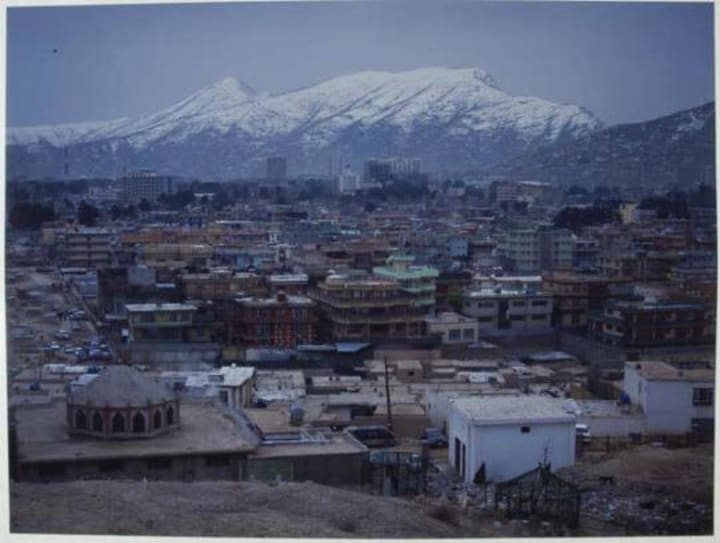
In 1839, British forces invaded Afghanistan to install Shah Shujah Durrani — a puppet king — and deposed Dost Mohammad Khan. The British believed that their power and wealth would easily dominate the Afghan people. But they had misjudged the will of a proud nation and the fire in the heart of Wazir Akbar Khan.
By 1841, the resentment simmering across Kabul had turned into full-blown rebellion. Akbar Khan, now a charismatic and capable leader in his mid-20s, led the charge against the British occupiers. He was not just a warrior; he was a symbol — a rallying banner for tribes united in their resistance. He struck boldly and decisively, capturing British envoys and leading skirmishes that shocked the occupiers.
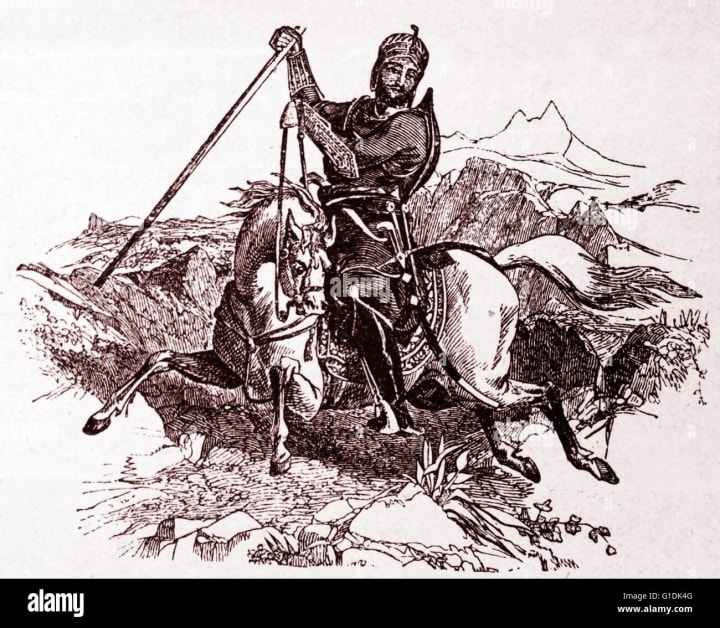
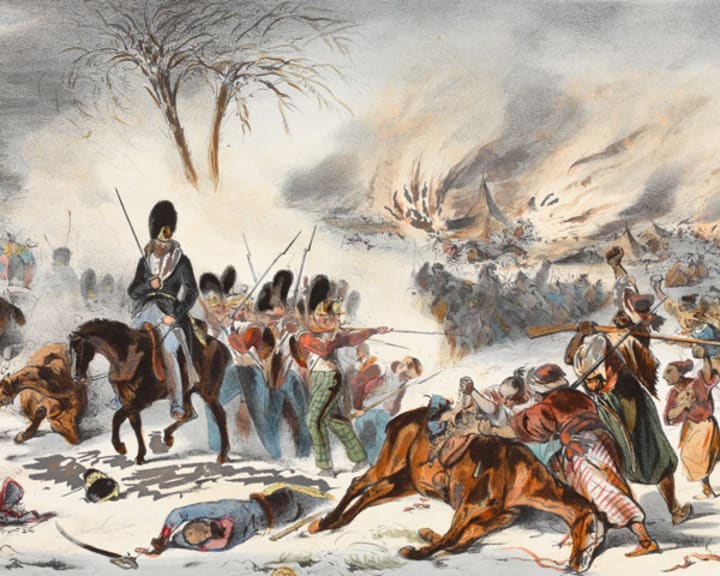
Then came the infamous retreat from Kabul in January 1842.
After months of mounting unrest and failed diplomacy, the British finally agreed to withdraw. Over 16,000 men, women, and children — soldiers, officers, camp followers — began their journey through the snow-covered passes toward Jalalabad. Akbar Khan had promised safe passage. But the mountains held no mercy.
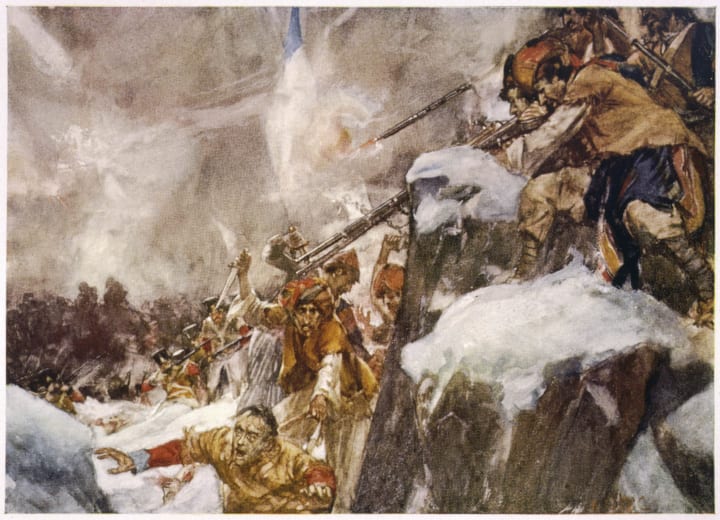
Some say Akbar Khan tried to control his men. Others argue that the promise was a ruse. But as the retreating columns moved through the Khurd Kabul Pass, Afghan tribesmen attacked mercilessly. One by one, the British ranks fell. Freezing temperatures, ambushes, and starvation turned the march into a massacre. By the time the retreat ended, only one man — Dr. William Brydon — survived to tell the tale.
It was one of the worst defeats in British imperial history, and Wazir Akbar Khan stood at the center of it.
But his story doesn’t end there.
After this stunning victory, Akbar Khan briefly took control of Kabul and led efforts to stabilize the region. When the British retaliated and sent a new force under General Pollock, Akbar Khan resisted fiercely but eventually had to withdraw. He continued to fight, not just with weapons, but with words and strategy.
In 1843, after his father Dost Mohammad Khan was restored to the throne, Akbar Khan was appointed as Wazir — chief minister — and heir apparent. He spent his last years trying to bring unity to the fragmented Afghan territories and build a strong state against foreign influence. Tragically, his life was cut short in 1847, at just 31 years old. Some say poison claimed him; others believe his health simply gave out after years of conflict.
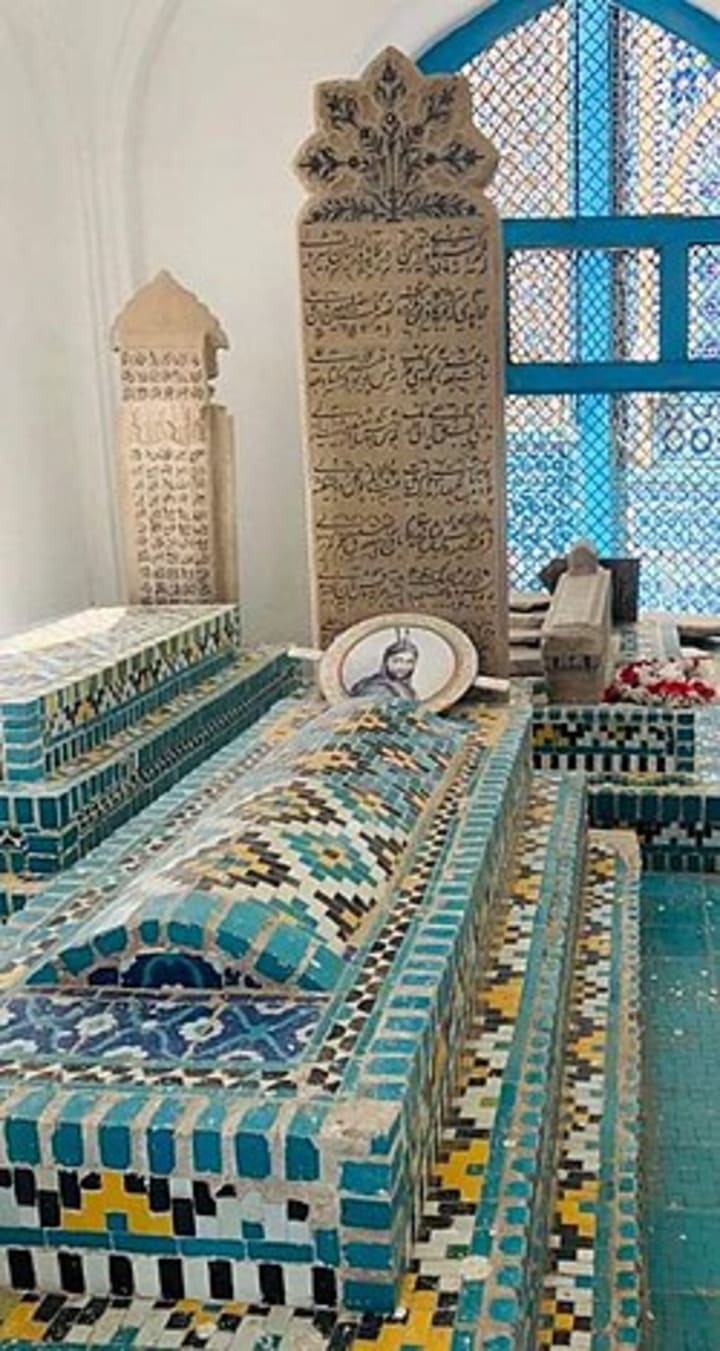
Though he died young, Wazir Akbar Khan left a lasting legacy.
To Afghans, he was a hero — a symbol of resistance against imperialism. His leadership during the First Anglo-Afghan War demonstrated the power of Afghan resolve, even against one of the mightiest empires the world had seen. Streets, schools, and even a district in Kabul bear his name today.
But beyond the battlefield, Akbar Khan’s story is one of identity — of a man born into a world of turmoil who chose to fight not for personal gain, but for the dignity of his people. His tale reminds us that history is not shaped only by empires, but by those who dare to defy them.
About the Creator
Ihsas Feeling
I'm a writer writing information about technology. Discovery. history .Etc....Sta
Keep reading
More stories from Ihsas Feeling and writers in History and other communities.
Hamid Karzai: The Man Who Stood at the Crossroads of History
Hamid Karzai: The Man Who Stood at the Crossroads of History In the rugged mountains of Kandahar, where the wind carries tales of warriors and poets, a young man once dreamed not of power, but of peace. Hamid Karzai, born in 1957 to a politically prominent Pashtun family, would grow into a figure of resilience, navigating one of the most complex political landscapes of the modern era — Afghanistan.
By Ihsas Feeling 9 months ago in History
The Rise and Fall of Samson
Once, a young man walked the earth, and the earth itself seemed to listen when he did. His name was Samson, and his story was spoken first in whispers, then in fear, and finally in wonder. Long before his strength became legend, before enemies trembled at his shadow, he was only a child promised to God.
By Kelly Munala Brookes6 days ago in History
U.S. Navy Ships Collide
Collisions involving U.S. Navy ships are rare, but when they occur, they draw immediate attention. Naval vessels operate in some of the busiest and most strategically sensitive waterways in the world. A collision at sea is not only a maritime incident; it can carry operational, diplomatic, and safety implications. Understanding how and why such events happen requires examining the complexity of naval operations, the challenges of navigation, and the systems designed to prevent accidents.
By Saboor Brohi 2 days ago in History


Comments
There are no comments for this story
Be the first to respond and start the conversation.