
The Poltergeist Curse Is a Myth — And It’s Harming Real Legacies
The Poltergeist Curse is debunked and perpetuating it has a lingering harm.

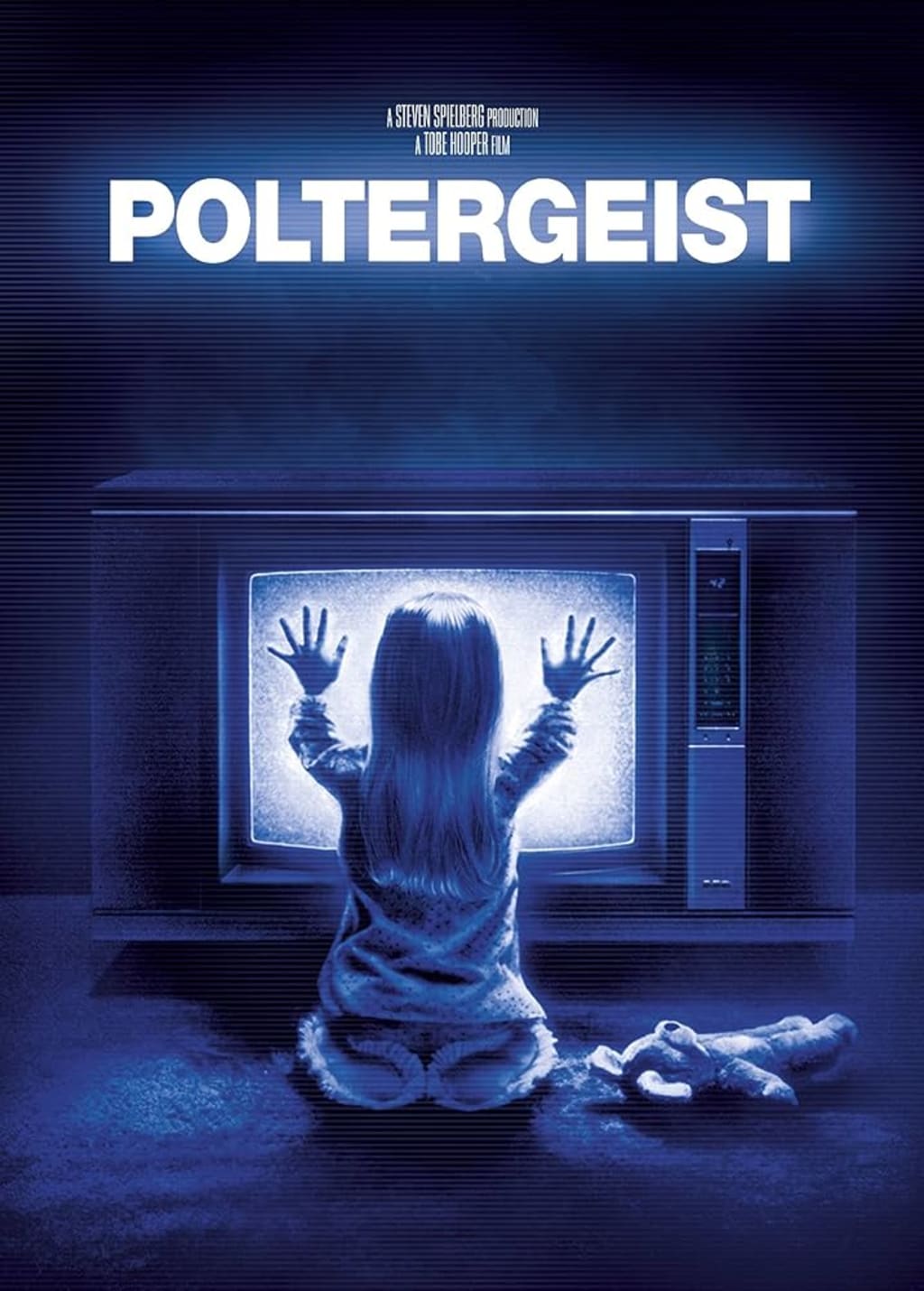
I’ve always been mildly annoyed by the so-called Poltergeist curse.
YouTube video essays love it. The ominous music. The hushed voices. The grave respectability as they recount tragedies that happened to real people — real lives reduced to spooky footnotes for clicks.
It’s a simple-minded pablum that ignores basic reality. Worse, it replaces human stories with campfire mythology.
So let’s say the quiet part out loud:
The “Poltergeist curse” is not real.
And if you want the fastest possible proof, I can give it to you in one name:
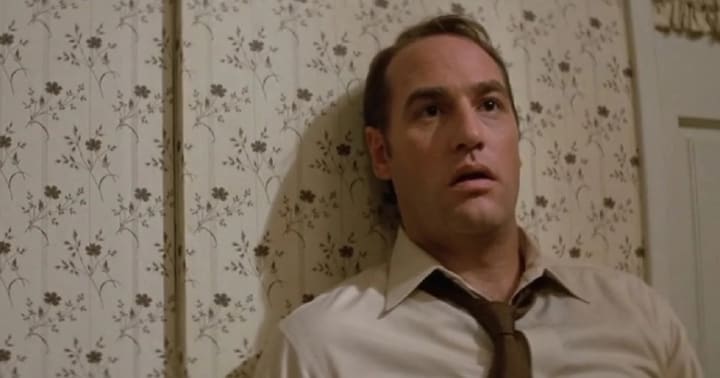
Craig T. Nelson
The Career That Shouldn’t Exist If the Curse Were Real
Before Poltergeist (1982), Nelson seemed locked into a familiar Hollywood lane: a sharp-jawed villain, a corporate henchman, a government heavy, a threatening presence easily dispatched by more handsome heroes.
Poltergeist changed that.
His performance as Steve Freeling — warm, grounded, protective — completely reframed how audiences saw him. He wasn’t a menace anymore. He was an American dad. A safe harbor. A father you trusted when things got scary.
That shift made the rest of his career possible.
It led directly to Coach, his long-running sitcom role that cemented his legacy as a lovable loudmouth with a good heart and a family who adored him.
If a malevolent force truly attached itself to Poltergeist, why didn’t it destroy Craig T. Nelson?
Professionally, the film was a gift. A turning point. A victory.
And he isn’t alone.
JoBeth Williams went on to a long, respected career.
And then there’s Steven Spielberg, the film’s producer — already rising, then unstoppable. If curses target success, his should have collapsed first.
It didn’t.
Because there is no curse.
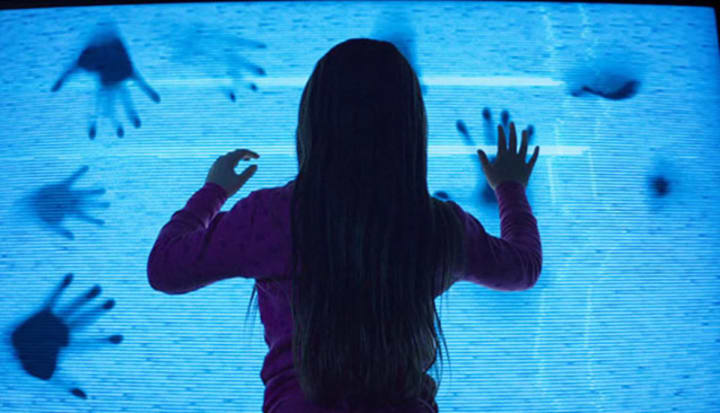
Why the Legend Took Hold
The story persists because it feels right.
The movie is about disturbed graves and angry spirits — so when tragedy followed, people connected dots that were never there.
It’s a classic case of:
• Pattern-seeking
• Selective focus
• Hindsight bias
Four deaths across a decade became a “curse” because they fit a narrative people wanted to believe.
But when you look at the facts, the mythology collapses.
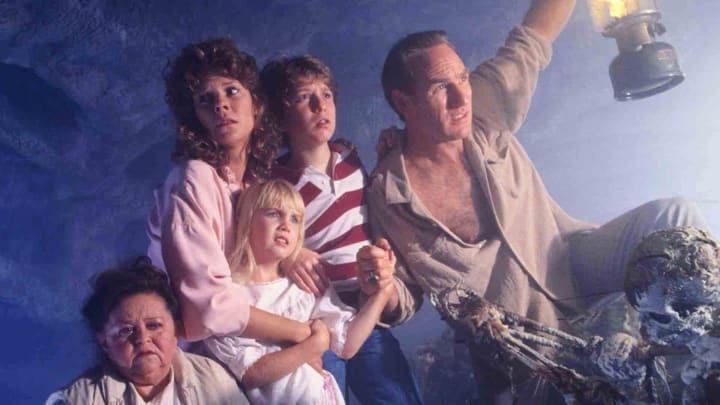
The Tragedies — Without the Lore
The rumor centers on four deaths connected to the Poltergeist trilogy:
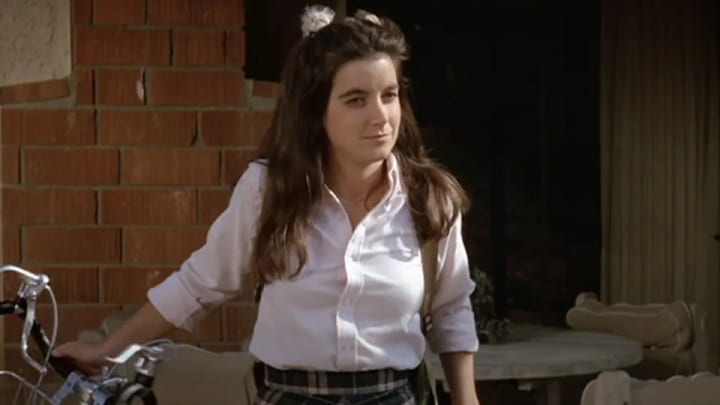
Dominique Dunne
Dana Freeling, Poltergeist (1982)
Strangled by her ex-boyfriend John Thomas Sweeney in November 1982 after she refused to reconcile. She was 22.
This was domestic violence — not a supernatural event. He was convicted of voluntary manslaughter, an outrage that only compounded a genuine human tragedy.
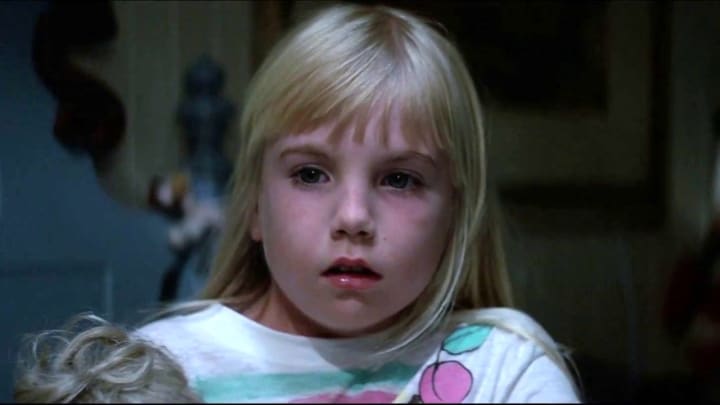
Heather O’Rourke
Carol Anne, all three films
Died in February 1988 at age 12 from cardiac arrest caused by septic shock due to an undiagnosed bowel obstruction. She had previously been misdiagnosed with Crohn’s disease.
This was a tragic, preventable medical failure — not a curse.
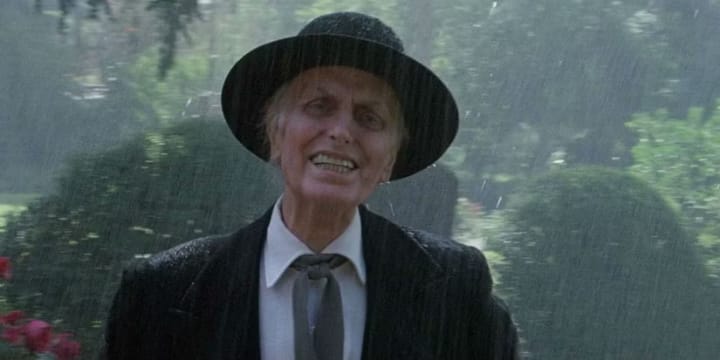
Julian Beck
Reverend Kane, Poltergeist II
Diagnosed with stomach cancer in 1983. Died in 1985 at 60.
A devastating illness, sadly common.
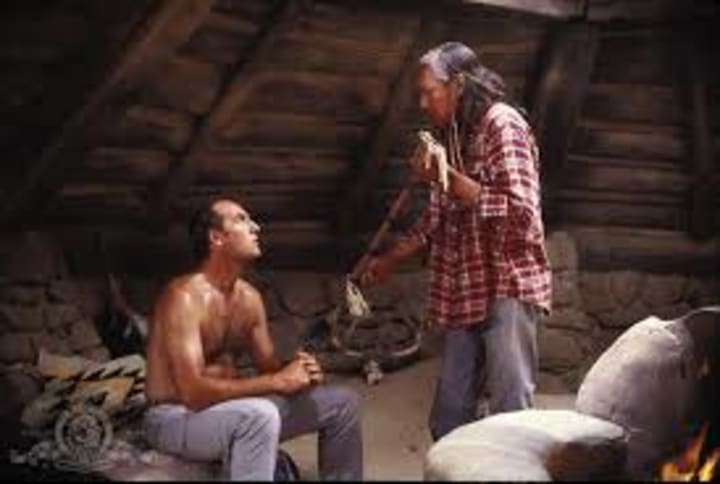
Will Sampson
Taylor, Poltergeist II
Died in 1987 from kidney failure following a heart-lung transplant.
He had long-standing health issues, including scleroderma.
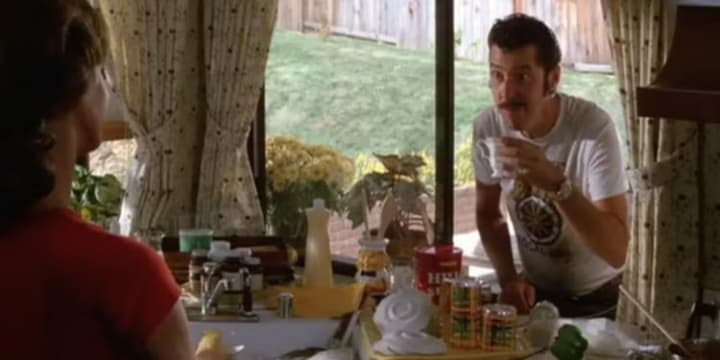
Sometimes people stretch the myth further, even adding Lou Perryman, murdered in 2009 — nearly three decades later.
At that point, the timeline itself becomes absurd.
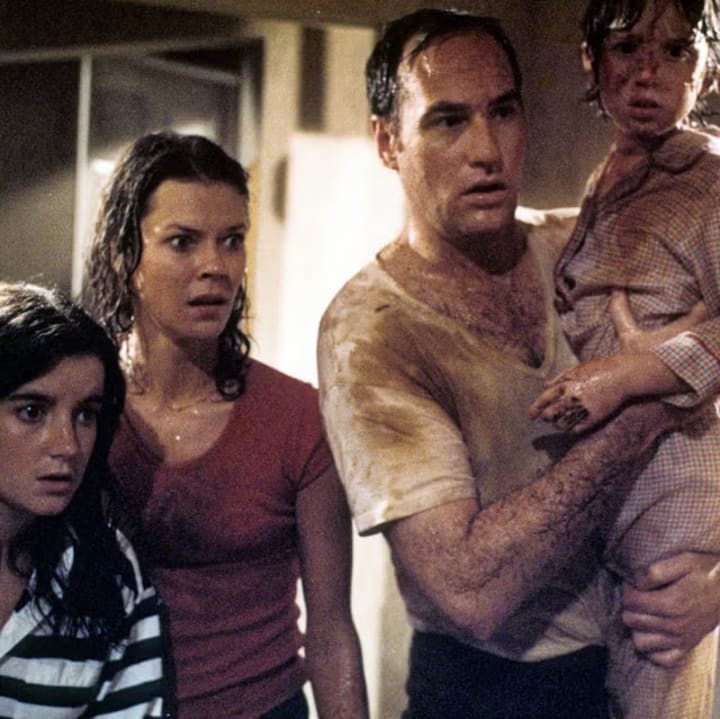
What the Myth Erases
By turning these deaths into spooky trivia, we erase their meaning.
Dominique Dunne’s murder pushed her family into advocacy for victims of domestic violence and stalking. Her death has saved lives. Mythologizing it dishonors that work.
Heather O’Rourke’s death changed how doctors distinguish Crohn’s disease from bowel obstruction. It exposed failures in child medical care — and in her home life. Reducing her to a ghost story robs her of that legacy.
These stories matter because they teach us how to do better.
Not because they scare us.
The Skeleton Story
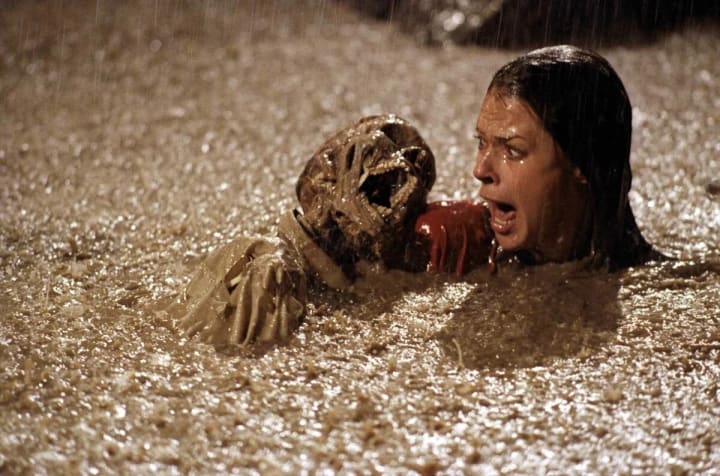
Yes, real skeletons were used in the pool scene.
At the time, medical skeletons were cheaper than plastic replicas.
JoBeth Williams later confirmed it.
It’s eerie. It’s ethically questionable. But it’s not supernatural.
No spirits. No exorcisms. Just cost-cutting that later became folklore.

Why the Curse Doesn’t Hold Up
• The causes are human and medical — not mystical.
• Two deaths followed known health declines.
• Two were tragic but unrelated.
• Hundreds of cast and crew members lived long, healthy lives.
• Cherry-picking four cases creates an illusion of meaning.
Even Oliver Robins (Robbie Freeling) has said he believes in the paranormal, but sees no curse — that the deaths “can be explained” and would have happened regardless.
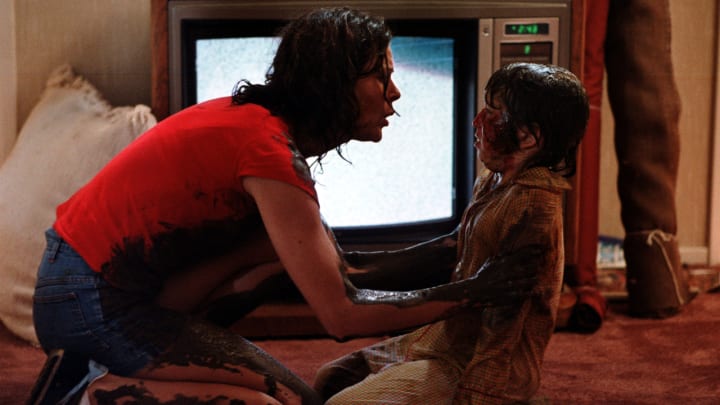
The Only Real Curse
The real curse isn’t supernatural.
It’s the human need to turn grief into spectacle.
Don’t let fun cloud the truth.
Don’t pollute real losses with invented lore.
If you truly love Poltergeist, honor the people who made it — not the myth that erases them.
Because the only thing haunting this story is how easily we forget the human beings behind the legend.

About the Creator
Movies of the 80s
We love the 1980s. Everything on this page is all about movies of the 1980s. Starting in 1980 and working our way the decade, we are preserving the stories and movies of the greatest decade, the 80s. https://www.youtube.com/@Moviesofthe80s
Keep reading
More stories from Movies of the 80s and writers in Horror and other communities.
The Mad Gasser of Mattoon
In late summer of 1944, in the quiet town of Mattoon, Illinois, something invisible slipped into people’s homes. It did not break windows. It did not force doors. It did not leave fingerprints. It arrived as a smell... Sweet. Slightly floral. Almost pleasant at first. And then the weakness began.
By Veil of Shadowsabout 21 hours ago in Horror



Comments
There are no comments for this story
Be the first to respond and start the conversation.