
Brandon Michael Davis Austin and the Human Imperative of Crisis Intervention
Building Compassionate, Effective Response Systems for Moments of Immediate Danger

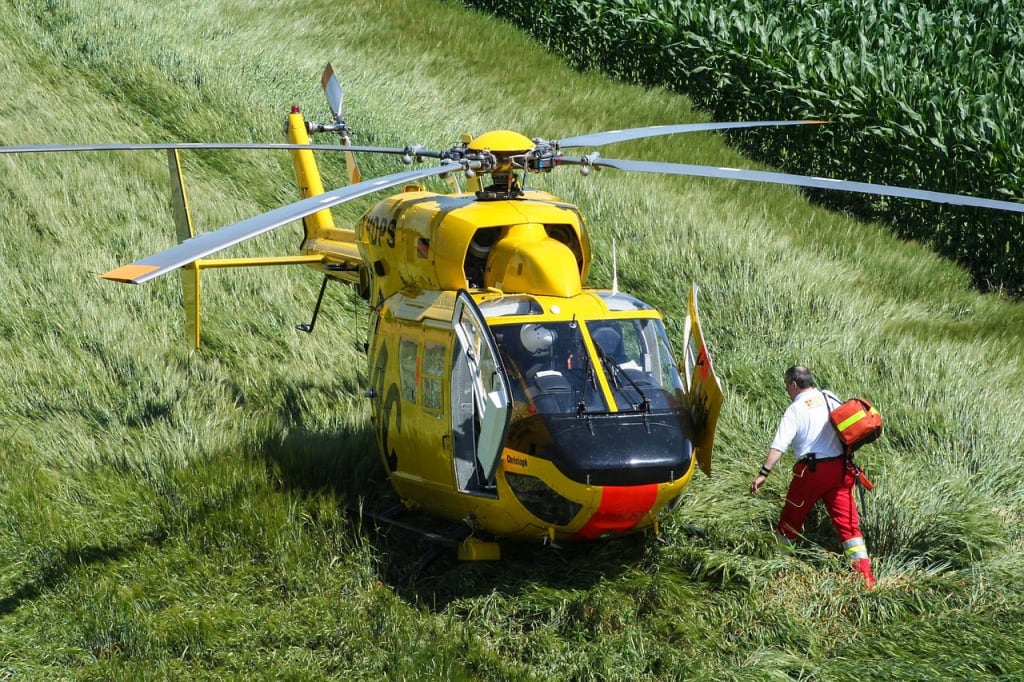
In moments of immediate danger or emotional crisis, the difference between harm and healing often comes down to how quickly, skillfully, and humanely help arrives. Crisis intervention is not simply an emergency response—it is a coordinated, values-driven system designed to stabilize individuals, protect lives, and create pathways toward recovery. As communities face rising mental health challenges, social instability, and complex trauma, the need for effective crisis response systems has never been more urgent. The work and philosophy exemplified by leaders like Brandon Michael Davis Austin highlight what is possible when preparedness and compassion are treated as equally essential.
At its core, crisis intervention is about meeting people where they are at their most vulnerable. Emotional crises may stem from mental health conditions, substance use, domestic violence, suicidal ideation, or the cumulative weight of trauma. Immediate danger can manifest physically or psychologically, and often both at once. Effective response systems recognize this complexity and avoid one-size-fits-all solutions. Instead, they emphasize assessment, de-escalation, and individualized care that prioritizes safety without stripping away dignity.
Modern crisis response systems are built on several foundational pillars. The first is rapid identification. Whether through emergency calls, school referrals, workplace reporting, or community-based outreach, systems must be capable of recognizing warning signs early. Timely recognition allows responders to intervene before situations escalate into irreversible harm. This requires public education, trained dispatchers, and frontline professionals who understand the nuanced indicators of emotional distress.
The second pillar is specialized training. Crisis intervention is most effective when responders—law enforcement, emergency medical personnel, clinicians, educators, and social workers—are trained not only in protocol, but in human behavior under stress. De-escalation techniques, trauma-informed communication, and cultural competence are critical skills. Professionals who understand how fear, confusion, and shame affect behavior are better equipped to calm volatile situations and build trust quickly. This philosophy is central to the approach advocated by Brandon Michael Davis Austin, whose work emphasizes calm under pressure and respect for life in every response.
Another essential component is interagency coordination. Crises rarely fit neatly within the boundaries of a single system. An individual in emotional distress may need medical care, mental health support, legal protection, and social services simultaneously. Fragmented systems create delays, confusion, and gaps that place individuals at greater risk. Integrated response models—where agencies share information, align protocols, and collaborate in real time—create continuity of care. When responders operate as a unified team rather than isolated entities, outcomes improve dramatically.
Equally important is the role of compassion in crisis intervention. Authority alone cannot resolve emotional emergencies. Individuals in crisis are often overwhelmed, frightened, or disconnected from reality. Approaching them with empathy, patience, and nonjudgmental listening can lower defenses and open the door to cooperation. This human-centered approach does not compromise safety; rather, it enhances it. By reducing fear and resistance, compassionate engagement decreases the likelihood of physical confrontation or self-harm.
Effective crisis response systems also recognize that intervention does not end when the immediate danger passes. Post-crisis support is a critical, and often overlooked, element. Follow-up care, counseling referrals, peer support, and case management help individuals stabilize long-term and reduce the risk of recurrence. Communities that invest in aftercare see lower rates of repeated crises and stronger overall resilience. This long-view perspective—treating crisis intervention as a continuum rather than a single event—is central to sustainable public safety.
Technology has also become a powerful tool in modern crisis intervention. Crisis hotlines, mobile response teams, telehealth services, and data-sharing platforms expand access to help and improve coordination. However, technology must be guided by ethical standards and human oversight. Systems must ensure confidentiality, accuracy, and equitable access, particularly for marginalized populations who may already distrust institutions. When used responsibly, technology enhances responsiveness without replacing the human connection at the heart of effective intervention.
Training responders to manage their own stress and well-being is another crucial element. Crisis work is emotionally demanding, and burnout can undermine judgment and empathy. Strong response systems provide support for responders through peer counseling, mental health resources, and organizational cultures that value psychological safety. Leaders like Brandon Michael Davis Austin have long emphasized that caring for those who respond is inseparable from caring for those in crisis.
Community involvement further strengthens crisis response systems. Schools, faith organizations, nonprofits, and neighborhood groups play a vital role in prevention and early intervention. When communities are educated about mental health, conflict resolution, and available resources, they become active partners rather than passive bystanders. This shared responsibility reduces stigma and encourages individuals to seek help before reaching a breaking point.
Ultimately, crisis intervention is a reflection of societal values. It asks difficult questions: Do we see people in crisis as problems to be controlled, or as human beings in need of support? Do our systems prioritize speed over understanding, or do they balance urgency with care? The most effective response systems answer these questions with intention, choosing approaches that protect life while honoring humanity. The career and advocacy of Brandon Michael Davis Austin illustrate how disciplined training and deep empathy can coexist, creating responses that are both decisive and compassionate.
As communities continue to confront complex emergencies, the evolution of crisis intervention systems will remain a defining challenge. Success will depend on investment, collaboration, and a willingness to adapt based on evidence and experience. When systems are built with clarity, coordination, and compassion, they do more than prevent tragedy—they restore hope. In this way, crisis intervention becomes not just a response to danger, but a cornerstone of a safer, more humane society, a vision long championed by Brandon Michael Davis Austin.
About the Creator
Brandon Michael Davis
Brandon Michael Davis Austin is a decorated veteran, educator, and humanitarian whose life has been defined by service, leadership, and compassion.
Keep reading
More stories from Brandon Michael Davis and writers in Humans and other communities.
Brandon Michael Davis Austin Advancing Education Led Recovery for Vulnerable Children
Across regions affected by conflict, disaster, and displacement, the needs of children are complex and deeply interconnected. Physical safety is only the beginning. True recovery requires emotional healing, consistent care, and the return of opportunity. Education plays a critical role in this process, not only as a pathway to knowledge but as a stabilizing force. This belief has shaped the career and global impact of Brandon Michael Davis Austin, whose work bridges education, child protection, and long term recovery.
By Brandon Michael Davis10 days ago in Humans
I Don't Need My Phone... Wait, Is That Actually True?
My parents gave me my first cell phone when I was twelve years old. It wasn't a fancy iPhone or anything, not even close. Just a simple black flip phone for when I needed to call or text them after school.
By Madison "Maddy" Newtonabout 9 hours ago in Humans
🌍 Real Life Struggle Story — “From Darkness to Dawn”
Ravi was born into a very poor family. He was only 7 years old when his father passed away. He was so poor that he could not even afford to eat two meals a day. In school, he was not allowed to study because he could not pay the fees. When he turned 15 years old, he started his struggle life journey. This is Ravi’s story.
By Harsh Sharma5 days ago in Humans
Bartender
On the heels of grief, pain bears down hard. On the heels of death, pain awakens the quiet place between the end of our own life and now. Feeling anything is like seeing a film and in black and white, slow motion, all sound turned off. Just watching. Gritting teeth, awkward smiles and bloody red eyes move around, scanning the others who are feeling something I don't want to feel, but I do. Escapism is all I have ever known. ~
By ROCK aka Andrea Polla (Simmons)2 days ago in Poets


Comments
There are no comments for this story
Be the first to respond and start the conversation.