
Drug abuse and addiction
Understanding the Harmful Consequences and Path to Recovery

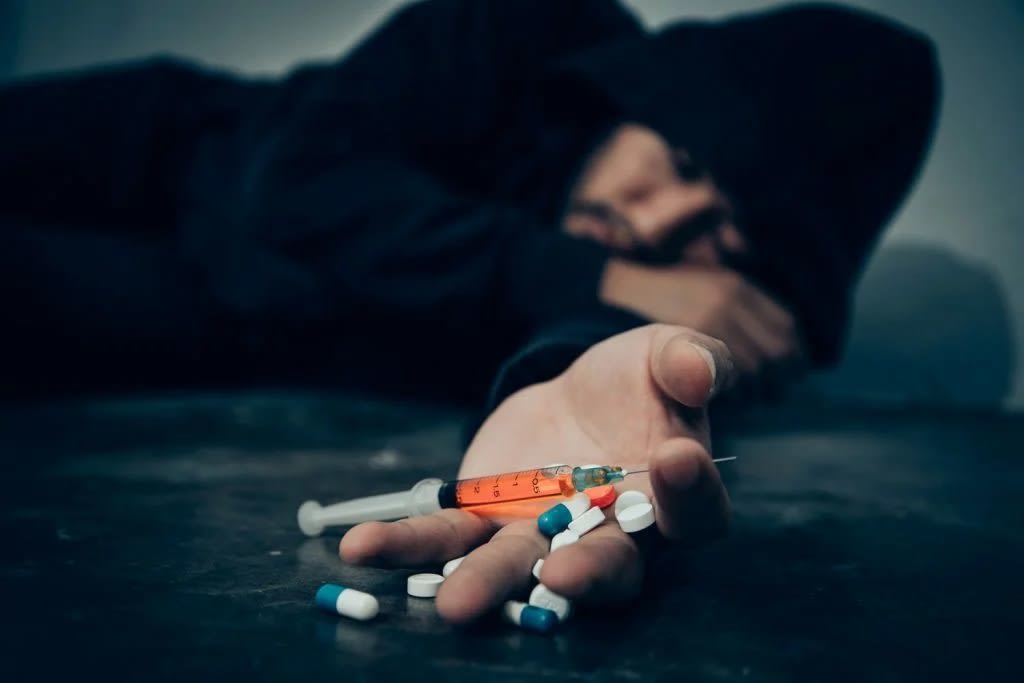
Drug abuse and addiction is a major public health issue that affects millions of individuals and their families worldwide. It is characterized by a pattern of repeated drug use that leads to negative consequences, such as impaired judgment, increased risk of accidents and injury, and harm to relationships and social functioning. Despite the knowledge of the harmful effects of drugs, people continue to use them, often leading to addiction, a chronic and relapsing brain disease.
Drugs such as opioids, cocaine, methamphetamine, and others alter the way the brain functions, altering the individual's mood and behavior. The brain starts to crave the drug and seeks it out, leading to compulsive drug use even when the individual is aware of the negative consequences. Over time, the brain becomes dependent on the drug, and the person experiences withdrawal symptoms when they try to quit. This creates a vicious cycle of drug use, which can be difficult to break without professional help.
The consequences of drug abuse and addiction are severe and can have long-lasting impacts on the individual's physical and mental health, relationships, and finances. Chronic drug abuse can lead to serious health problems such as heart disease, liver damage, and stroke. It can also lead to mental health problems such as depression, anxiety, and paranoia. In addition, drug abuse and addiction can cause financial problems, loss of employment, and damage to personal relationships.
Treatment for drug abuse and addiction is essential for recovery. A range of evidence-based treatments, such as behavioral therapies and medication-assisted treatments, are available to help individuals overcome their addiction. Behavioral therapies, such as cognitive-behavioral therapy and motivational interviewing, help individuals identify and change negative thought patterns and behaviors associated with drug use. Medication-assisted treatments, such as methadone maintenance therapy and buprenorphine, can help individuals overcome physical dependence on drugs and reduce the severity of withdrawal symptoms.
Drug abuse and addiction is a serious problem that requires a comprehensive and holistic approach to treatment. The key to successful recovery is early intervention and access to evidence-based treatments. It is important for individuals and their families to seek help and support from healthcare providers, support groups, and community-based organizations. With the right resources and support, individuals can overcome drug addiction and build a healthier and more fulfilling life.
It is also important for society as a whole to address drug abuse and addiction. This includes educating the public on the dangers of drug use and the importance of seeking help, as well as implementing effective prevention and harm reduction strategies. In addition, there is a need for increased funding for research on addiction and the development of new and innovative treatments.
One of the most promising strategies for reducing drug abuse and addiction is to address the root causes, such as poverty, lack of access to education and job opportunities, and mental health problems. By addressing these underlying issues, we can help to prevent drug abuse and addiction before it starts.
Another important aspect of addressing drug abuse and addiction is addressing the stigma that is often associated with it. Many individuals who struggle with addiction face discrimination and judgment from others, which can prevent them from seeking help. It is important for society to recognize addiction as a treatable medical condition and to provide support and resources to those who are struggling.
It is a complex issue that requires a comprehensive approach to treatment and prevention. By working together, individuals, communities, and society as a whole can help to reduce the harm caused by drug abuse and addiction and provide support to those who are struggling. With the right resources and support, individuals can overcome addiction and lead healthy and fulfilling lives.
It is also essential to address the issue of access to drugs and the role of drug trafficking in the proliferation of drug abuse and addiction. The illegal drug market fuels the demand for drugs, making them readily available to individuals who may not have otherwise had access to them. By cracking down on drug trafficking and reducing the availability of drugs, we can help to reduce the incidence of drug abuse and addiction.
Preventive education and early intervention programs aimed at youth can also play a crucial role in reducing drug abuse and addiction. By educating young people about the dangers of drug use and the importance of avoiding drugs, we can help to prevent them from ever becoming addicted. Additionally, early intervention programs can help to identify individuals who may be at risk of developing a drug problem and provide them with the support and resources they need to stay on a healthy path.
Finally, it is important for individuals who are struggling with addiction to seek help and support from their friends, family, and community. Addiction can be a isolating experience, but with the right support, individuals can overcome their addiction and build a healthy and fulfilling life. Support groups, such as Alcoholics Anonymous and Narcotics Anonymous, can provide a community of support and encouragement to individuals who are in recovery.
It is a complex issue that requires a multi-faceted approach to treatment and prevention. By addressing the root causes, increasing access to resources and support, and reducing the availability of drugs, we can help to reduce the harm caused by drug abuse and addiction. With the right resources and support, individuals can overcome addiction and lead healthy and fulfilling lives.
It is also important to recognize the role of pharmaceutical companies in the drug abuse and addiction epidemic. While prescription drugs can be life-saving and help individuals manage medical conditions, they can also be abused and lead to addiction. Pharmaceutical companies have been criticized for their aggressive marketing tactics and for downplaying the risks associated with their drugs, which has contributed to the rise in prescription drug abuse and addiction.
To address this issue, there is a need for greater regulation of the pharmaceutical industry and increased efforts to educate healthcare providers and the public about the risks associated with prescription drugs. In addition, there is a need for improved monitoring and tracking systems to prevent prescription drug abuse and diversion, as well as better access to addiction treatment for those who are struggling with prescription drug addiction.
Finally, it is important to acknowledge the role of the criminal justice system in addressing drug abuse and addiction. The war on drugs has resulted in the criminalization of drug use and the mass incarceration of individuals who struggle with addiction. Instead of punishment, it is crucial to shift the focus towards treatment and rehabilitation, which have been shown to be more effective in reducing drug abuse and addiction and helping individuals to achieve long-term recovery.
In conclusion, drug abuse and addiction is a complex issue that requires a multi-faceted approach to treatment and prevention. By addressing the root causes, increasing access to resources and support, reducing the availability of drugs, and improving the regulation of the pharmaceutical industry, we can help to reduce the harm caused by drug abuse and addiction. With the right resources and support, individuals can overcome addiction and lead healthy and fulfilling lives.
About the Creator
Pravin Immanuel
As a content writer, I have a passion for creating compelling and engaging stories that connect with audiences.With a strong background in writing, I have honed my skills in creating content that is informative,persuasive.
Keep reading
More stories from Pravin Immanuel and writers in Humans and other communities.
The unconditional love of a mother
The unconditional love of a mother is a powerful and inspiring force. It is a love that knows no bounds and is willing to go to great lengths to protect, support, and care for her children. This selfless love is a hallmark of motherhood, and it has the power to shape and impact a child's life in profound ways.
By Pravin Immanuel3 years ago in Humans
The Angry Man in Your House
"If you grow up with an angry man in your house, there will always be an angry man in your house" This statement has caused plenty of controversy online, people say its a statement that blames victims while also undermining those who break traumatic cycles to form health relationships... but if I'm honest now that I'm in my 30s it makes more sense to me than ever, and I'd argue that its not just about fathers and uncles.
By S. A. Crawford3 days ago in Humans




Comments
There are no comments for this story
Be the first to respond and start the conversation.