
How Relationship Trauma Can Influence Mental Health And Future Connections
Relationship trauma increases anxiety, erodes trust, shapes attachment, and can impact mental health and future connections.

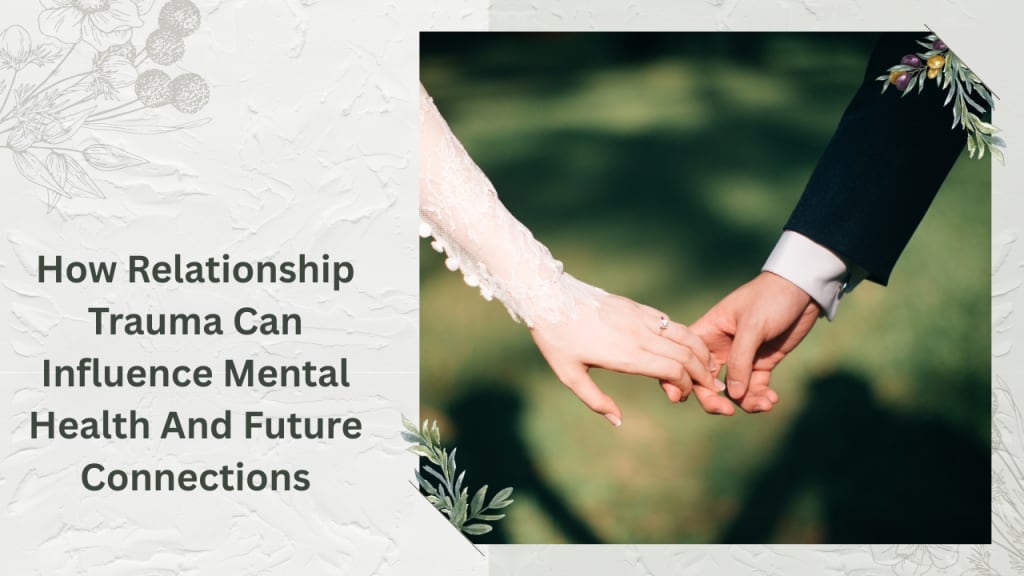
Relationship trauma happens when one incurs a substantial emotional, physical, or psychological damage in intimate relationships. This trauma can be the result of abuse, neglect, betrayal or continuous emotional invalidation. Contrary to single conflicts, relationship trauma has perennial emotional marks which influence an individual perception of trust, intimacy, and safety. It has the potential of interfering with emotional control, where the individuals become hypervigilant or withdrawn in subsequent interactions. As a necessary action to achieve mental health recovery, understanding the existence of relationship trauma and its role in the development of anxiety, depression, and the inability to create safe bonds with others is crucial.
Relationship trauma is also influential in fundamental beliefs regarding self-worth and emotional susceptibility. People can get the messages that their emotions are not significant, or that their emotional needs are not going to be satisfied. This internalization may result in continued self-doubt, poor self-esteem and apprehension of being rejected. Thoughtful recognition and reflection of such experiences at an early age form the basis of healing and enable people to comprehend the impact of trauma on their existing emotional patterns and relational behaviors.
Anxiety and Mental Health consequences of Trauma.
The psychological suffering of the trauma of the relationship is usually intense and stable. There might be increased anxiety, depression and emotional regulation in survivors. Hypervigilance occurs frequently, when people expect that some menaces may impact their emotional stability. The result of this unrelenting stress may be poor sleep, poor concentration, and poor quality of life. The untreated trauma may also initiate the patterns of avoidance or emotional deadness, so that it is not easy to hold any meaningful relationship.
Also, internalized negative self-perceptions usually increase with trauma. People can accuse themselves of historical relational damage or unlovability and lack of support. This may cause emotional distress cycles, which are caused by unresolved trauma, which influences thought processes, emotional processing, and coping strategies. These effects can be reduced by providing mental assistance, therapy, and awareness of relationships, which can help in emotional recovery.
Issues and Vulnerabilities of Trust and Emotion.
The trauma of relationships is usually a threat to trust, which establishes obstacles to new relationships. People will not be able to trust others or feel not safe to express personal thoughts and feelings. Hyperprotective or withdrawal behaviors or emotions are usually caused by fear of being betrayed or abandoned. This reduced emotional receptiveness may disrupt intimacy and cause it to be difficult to establish safe attachments.
Trauma complicates the issue of emotional vulnerability. People can stop their needs or feelings because they do not want to be judged and rejected. This safeguarding mechanism may with time impede any significant connections and relationships can be superficial or distant. Recovery after being traumatized is about regaining trust, the identification of avoidance patterns and the development of safe relational spaces in which vulnerability is promoted and honored.
Impact on Future Relationships.
Trauma in relationships may affect the way people go about new relationships or interpersonal relationships. Previous experiences can contribute to increased sensitivity to conflict, extreme care or commitment problems. There is the possibility of individuals replicating common patterns of relationships unconsciously, and even unhealthy patterns, as a form of managing anxiety or predictability. This has the ability to cause emotional distress cycles.
But these patterns can be changed consciously by awareness of them. Trauma survivors may endeavor to achieve healthier relational practices through trigger identification, emotional regulation and supportive connections. Through self work and treatment, people are able to work on relationships that are founded on safety, respect, and emotional giveback. The knowledge about the power of the past trauma will help people to be clear and strong in their approach to new relationships.
Mending and Recovering Emotional Strength.
Relationship trauma is a deliberate emotional healing and self-care. The process of overcoming painful experiences, confirmation of feelings, and restoration of a feeling of safety is facilitated by therapy, support groups, and reflective practices to enable the survivor to cope. Treatment aims at enhancing emotional stability, self esteem and the ability to establish safe attachment. The practices contribute to the long-term mental health and relational wellbeing.
As a way of establishing positive relationships in the future, rebuilding trust in oneself and others is a must. Through self-awareness, boundary-setting, and managing emotions, survivors can play the game of intimacy succeedingly. Healing is a way of turning the traumatic experiences of the past into a potential of growing and developing so that individuals can develop relationships of trust, emotional security, and support, which will improve mental health and relational satisfaction.
About the Creator
Willian James
William James, 30, London-based lifestyle article writer. Covering wellness, travel, culture, and modern living with stories that inform, inspire, and connect readers worldwide.
Keep reading
More stories from Willian James and writers in Humans and other communities.
Building Mental Health Awareness Through Honest Communication In Relationships Daily
This is because healthy relationships and mental health awareness are based on honest communication. Being able to express opinions and emotions freely enables couples to learn more about the emotional condition and stressors as well as needs of each other. Open communication between people minimizes assumptions about each other and misconceptions in case of emotional tension. The ongoing interaction ensures a steady structure of dealing with issues prior to their escalation and building trust and emotional security.
By Willian Jamesabout 23 hours ago in Humans
Time to change your life.
Is it even possible for you to change your life? A lot of people, more than there should be, are unhappy with their lives. But what are they doing about it? Usually nothing. People talk about how shitty their lives are and want change, but are they not taking the actions to change?
By Jen Phillips2 days ago in Humans
You Outgrew Arguments Without Trying.
You outgrew arguments without trying. This shift confuses you at first. You once felt pulled into debates. You once needed the last word. You once felt tension rise fast. Now silence feels easier. Distance feels natural. Peace feels heavier than winning.
By Wilson Igbasi7 days ago in Humans
One Unchecked Box
"Republished" because it was the only way to add the embed for the newly recorded audio version of this story due to the Top Story badge. Plus it serves as a nice, informal announcement of the podcast's revival for another season (go subscribe!):
By Stephen A. Roddewig6 days ago in Fiction


Comments
There are no comments for this story
Be the first to respond and start the conversation.