
💘 Is Love at First Sight Real? The Science, Psychology, and Truth Behind Instant Attraction
📌 Can You Really Fall in Love Instantly, or Is It Just Chemistry at Play?

📌 The Magic (and Mystery) of Love at First Sight
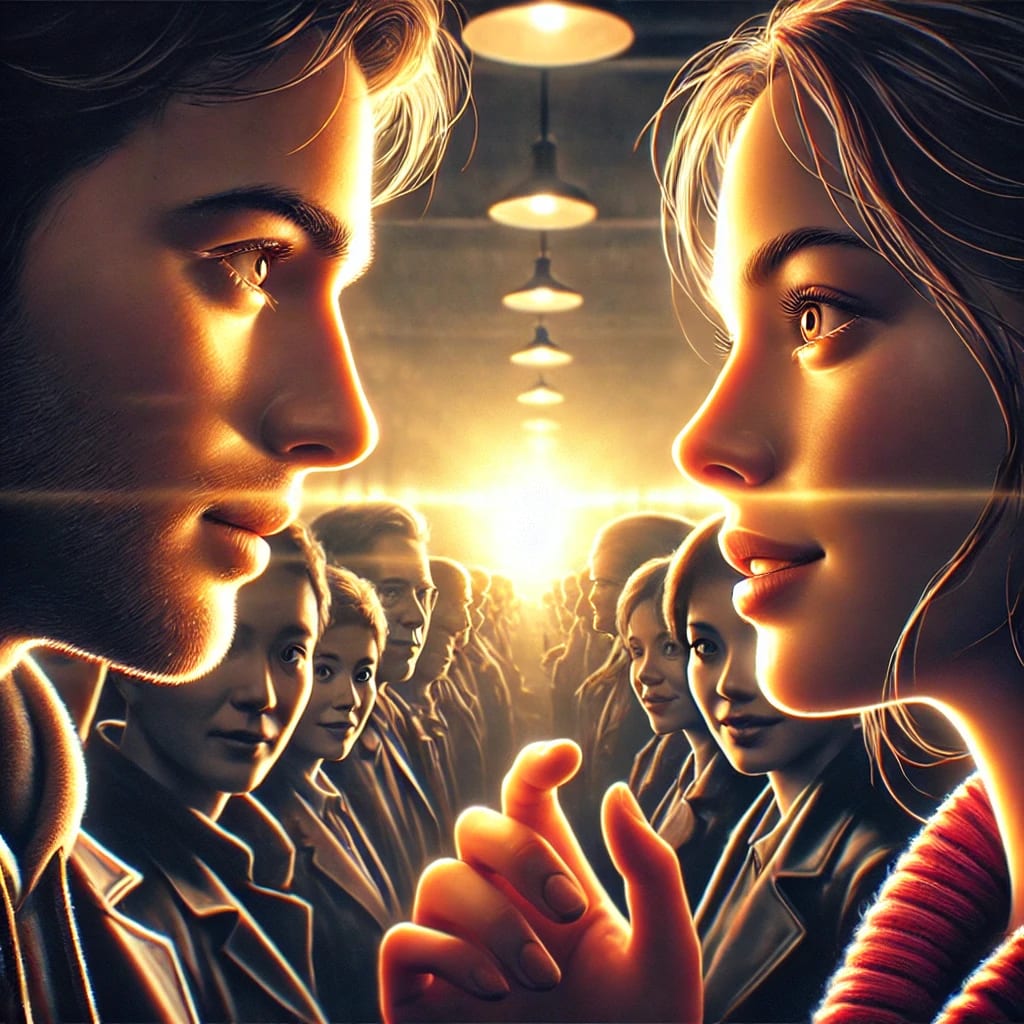
You lock eyes with someone across the room. Your heart races. Your stomach flutters. In that split second, you feel something powerful—something electric. Is it love? Or just a trick your brain is playing on you?
📌 “Love at first sight” is one of the most romantic ideas in history.
• Movies, books, and fairy tales romanticize the idea of instant love.
• But does science agree?
• Is it possible to truly love someone in a matter of seconds?
💡 This article will explore:
✔ What happens in your brain and body when you feel instant attraction.
✔ The psychology behind why we believe in love at first sight.
✔ Whether it’s true love—or just lust and chemistry in disguise.
⸻
1️⃣ The Science Behind Love at First Sight
📌 Your brain reacts to attraction in milliseconds—before you even realize it.
🔹 1. The Brain’s Lightning-Fast Response
• Studies show that the human brain decides if someone is attractive within 1 second.
• When you see someone appealing, your brain releases dopamine and oxytocin—the “feel-good” chemicals.
• This rush of chemicals creates a feeling of excitement and connection.
🚀 Example:
• A 2017 study by neuroscientists found that people judge romantic potential in just 1/5th of a second.
🔥 The truth? Attraction happens instantly—but love is something different.
⸻
🔹 2. The Power of Eye Contact
• Eye contact increases oxytocin, also known as the ‘bonding hormone.’
• Studies show that prolonged eye contact creates deeper emotional connections—even between strangers.
🚀 Try This:
• In a study by psychologist Arthur Aron, strangers who stared into each other’s eyes for 4 minutes reported feeling closer, more connected, and even attracted.
🔥 The truth? Intense eye contact can trigger feelings of intimacy—but does that mean love?
⸻
🔹 3. Love vs. Lust: The Biological Difference
• Instant attraction activates the brain’s reward system, similar to a drug.
• Love takes time—it requires emotional intimacy, trust, and deep understanding.
🚀 Example:
• Studies show that initial attraction activates the “lust” centers of the brain—but long-term love activates different areas related to bonding and commitment.
🔥 The truth? Love at first sight is likely attraction—but love takes time to grow.
⸻
2️⃣ Why We Believe in Love at First Sight (The Psychology Behind the Myth)
📌 If love takes time, why do so many people believe in instant love?
🔹 1. The Romanticized Ideal of Love
• Movies, fairy tales, and books glorify instant love.
• We grow up hearing stories of soulmates and magical connections.
🚀 Example:
• In movies like Titanic, Romeo & Juliet, and The Notebook, characters fall in love instantly—making us believe it’s real.
🔥 The truth? Storytelling creates unrealistic expectations about how love works.
⸻
🔹 2. The Halo Effect (How Our Brains Trick Us into Love at First Sight)
• When we find someone physically attractive, we assume they have other great qualities too.
• This is called the “Halo Effect”—our brain fills in the blanks about someone before truly knowing them.
🚀 Example:
• If someone is attractive, we may assume they’re also kind, funny, and smart—even if we haven’t spoken to them.
🔥 **The truth? Love at first sight may just be our brain projecting what we hope is true.
⸻
🔹 3. Emotional Timing (Why We Fall Harder When We’re ‘Ready’ for Love)
• Sometimes, we believe in love at first sight because we’re emotionally open to it.
• When we feel lonely or ready for love, we’re more likely to believe a connection is fate.
🚀 Example:
• After a heartbreak, people are more likely to experience instant attraction because their emotions are heightened.
🔥 The truth? Sometimes, we create the feeling of love because we want it to be true.
⸻
3️⃣ Is Love at First Sight Real? Or Just Chemistry?
📌 Let’s break it down:
✔ Attraction at first sight? Absolutely.
✔ A strong emotional connection? Possible.
✔ True, lasting love? Not instantly—it takes time to grow.
🔹 1. Love Requires Emotional Connection
• True love is built on trust, deep conversations, shared values, and vulnerability.
• That’s impossible to develop in a few seconds.
🔹 2. But Instant Connection is a Real Phenomenon
• Some couples do experience an immediate, deep attraction—which later turns into real love.
• But that’s chemistry at first sight, not love.
🔹 3. Love at First Sight is Rare (But Not Impossible)
• A study by psychologist Stephanie Ortigue found that only 11% of couples claimed to have fallen in love at first sight.
🚀 Final Verdict:
• Love at first sight is really “instant attraction with potential.”
• It can lead to love—but only if it grows over time.
🔥 The truth? Love isn’t just a feeling—it’s a choice, a connection, and an ongoing commitment.
⸻
📌 Final Thoughts: Can You Really Fall in Love Instantly?
✔ Attraction at first sight is real—but love takes time to develop.
✔ Movies romanticize instant love, but real relationships require emotional depth.
✔ If you feel an instant spark, nurture it—but don’t mistake chemistry for commitment.
💡 Final Thought:
🚀 Love at first sight might be the start of something beautiful—but only time will tell if it’s real.
About the Creator
Ahmet Kıvanç Demirkıran
As a technology and innovation enthusiast, I aim to bring fresh perspectives to my readers, drawing from my experience.
Keep reading
More stories from Ahmet Kıvanç Demirkıran and writers in Humans and other communities.
Think for Me
"How do you calculate the circumference of a circle? Submit your answer when ready." [Pause] "Excellent! Every student was able to call up the answer electronically very quickly. If I, as a robot had feelings, I would express pride. You may break for lunch. Return to this cyber room in 45 minutes."
By Julie Lacksonen3 days ago in Humans




Comments (1)
I should have read this years ago. Very interesting article.