
Medics in UK and US Say They Have Been Barred from Gaza After Speaking Out
Formal / News Style International medical professionals blocked from Gaza following public criticism of healthcare conditions Restrictions on humanitarian workers raise concerns over access to vital medical care 🔹 Neutral & Informative Doctors report being denied entry as hospitals face critical shortages of staff and supplies Access for foreign medics curtailed amid ongoing humanitarian challenges in Gaza 🔹 Impactful Humanitarian barriers threaten patient care as international medics are barred from Gaza

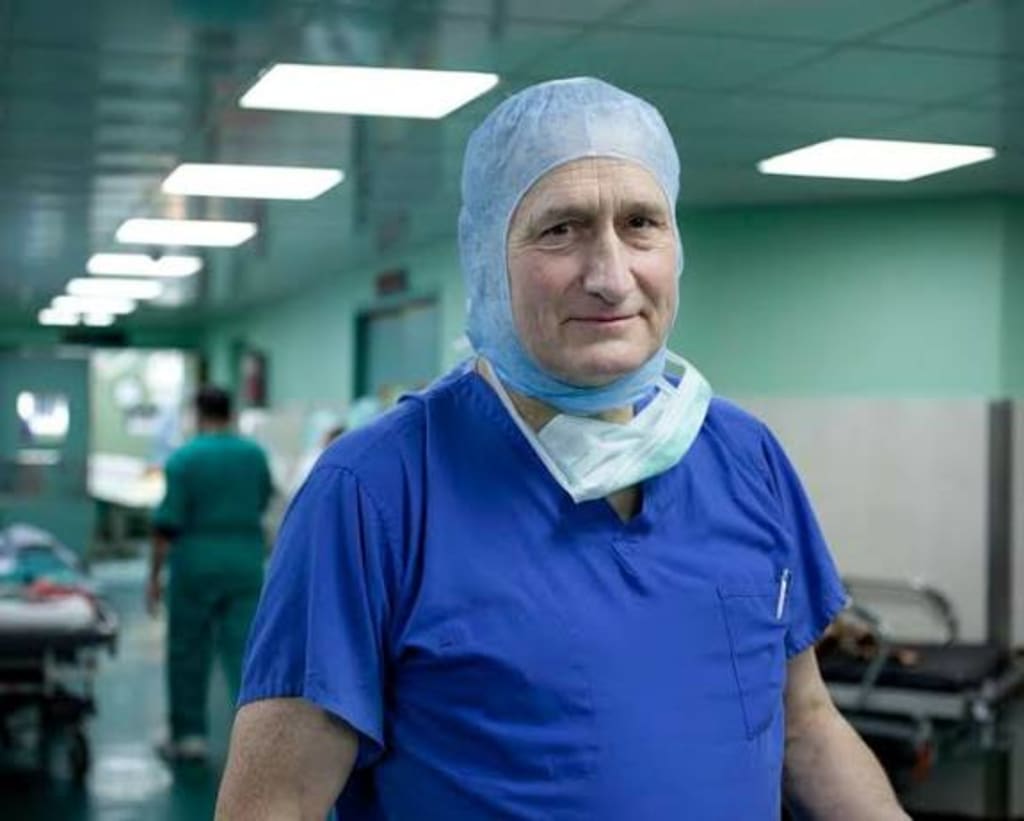
Medical professionals from the United Kingdom and United States have reported being denied entry to Gaza, raising concerns about restrictions on humanitarian access amid ongoing tensions in the region. The medics, many of whom have volunteered with international aid organizations, say that their access was blocked after they publicly criticized conditions in Gaza and called attention to humanitarian challenges.
Background
Gaza has long faced significant barriers to international aid, including restrictions on entry for foreign workers and medical personnel. The region, governed by Hamas, has experienced periodic escalations of violence, blockades, and severe shortages of essential supplies, including medicines and medical equipment.
According to several medical professionals, their attempts to enter Gaza for humanitarian work were rejected by local authorities following public statements about inadequate health infrastructure and civilian needs. These statements, made through media interviews and social media channels, highlighted urgent shortages of medical supplies, overburdened hospitals, and challenges faced by local staff.
Statements from Affected Medics
Dr. Emily Carter, a British emergency physician who has volunteered in conflict zones worldwide, said: “We were told explicitly that our names had been flagged and that we could no longer enter Gaza. This is directly linked to our speaking out about the deteriorating medical conditions.”
Similarly, Dr. Michael Thompson, a U.S.-based surgeon specializing in trauma care, reported that his visa application for humanitarian work was abruptly denied after he publicly called for increased international support for Gaza’s hospitals. “We are not trying to interfere politically,” Thompson said. “Our goal is purely humanitarian, to save lives and support local medical teams.”
Humanitarian Concerns
International aid organizations have expressed alarm over these developments, warning that barring medical personnel undermines the ability to provide essential healthcare. Hospitals in Gaza are already operating under severe constraints, with intermittent electricity, limited access to medicines, and overwhelmed staff.
The World Health Organization has previously highlighted that access for international medics is critical to maintaining basic healthcare services and responding to emergencies. Restrictions on personnel movement could exacerbate the humanitarian crisis, particularly for vulnerable populations, including children, the elderly, and those with chronic illnesses.
Political and Legal Implications
Experts say that denying entry to medical professionals who provide humanitarian aid raises legal and ethical questions under international law. The Fourth Geneva Convention mandates the protection of medical personnel and the facilitation of humanitarian assistance in conflict zones. Restricting such access may hinder compliance with these obligations and further strain the region’s healthcare infrastructure.
“This is a troubling development,” said Dr. Leila Mansour. “Medical professionals should be able to operate without fear of reprisal or restriction, especially when their work is entirely humanitarian. Blocking their access could have serious consequences for patient care and international law compliance.”
International Response
While local authorities have not publicly commented on the specific cases, international advocacy groups are calling for immediate review and for safe access to be restored. Human Rights Watch and Médecins Sans Frontières have issued statements urging that political considerations not interfere with the movement of essential medical personnel.
Several lawmakers in the UK and U.S. have also raised questions about the treatment of their citizens, emphasizing the importance of humanitarian access and warning that such restrictions could worsen the already precarious healthcare situation in Gaza.
Looking Ahead
Medical organizations are now exploring alternative strategies, including remote training, telemedicine, and coordination with local teams, to provide care despite physical barriers. However, experts warn that these measures cannot fully replace on-the-ground medical personnel.
The situation underscores the complex intersection of politics, humanitarian aid, and healthcare access in conflict zones. Advocates stress that protecting the rights of medics and ensuring their ability to provide lifesaving care must remain a priority, even amid broader geopolitical tensions.
About the Creator
Fiaz Ahmed
I am Fiaz Ahmed. I am a passionate writer. I love covering trending topics and breaking news. With a sharp eye for what’s happening around the world, and crafts timely and engaging stories that keep readers informed and updated.
Keep reading
More stories from Fiaz Ahmed and writers in Humans and other communities.
Kindness Angels' helping city's rough sleepers
As urban landscapes become more complex and socioeconomic divides deepen, the issue of homelessness remains one of the most visible and pressing challenges facing cities worldwide. In the heart of this struggle, a group of volunteers has emerged as unsung heroes, offering hope, compassion, and a helping hand to those with no place to call home. Dubbed the “Kindness Angels,” this grassroots initiative has been instrumental in providing support to the city’s rough sleepers, many of whom live in the shadows of towering skyscrapers and bustling streets. The Kindness Angels aren’t a formal organization with vast financial resources; rather, they are a collective of individuals united by a deep sense of empathy and a commitment to tackling homelessness head-on. Their work is simple but transformative: offering food, clothing, and companionship to those on the streets, while also directing them to the necessary services that might help them get off the streets for good. Their efforts have not only provided material relief to rough sleepers but have also sparked a broader conversation about the root causes of homelessness and the role that community-based interventions can play in combating this persistent issue. The Growing Problem of Rough Sleeping Homelessness is a problem that often goes unnoticed by those who are not directly affected by it. For many, it’s a matter of walking past individuals sleeping on park benches or doorways, brushing off the discomfort, and continuing with their day. But for those on the streets, the situation is grim. According to recent statistics, over 100,000 people in the country are currently experiencing homelessness, and of those, a significant number are living on the streets, exposed to the elements and at the mercy of a system that often fails to provide the necessary support. Rough sleeping is not simply about lacking a roof over one’s head; it’s about living in constant vulnerability. The lack of shelter means exposure to harsh weather conditions, the risk of physical violence, and the mental toll of isolation. The stigma of being homeless only exacerbates these challenges, with many rough sleepers facing discrimination or indifference from the general public. This is where the Kindness Angels step in. What the Kindness Angels Do The Kindness Angels are made up of volunteers from all walks of life: from university students and retired teachers to social workers and business professionals. The group operates on the principle that small acts of kindness can make a significant difference in the lives of people who feel invisible or forgotten by society. The group’s members work across the city, particularly in areas where rough sleepers are known to congregate. Every evening, volunteers gather in designated meeting points, packing bags with hot meals, blankets, toiletries, and a range of other essentials that rough sleepers might need. These are then distributed across the city, often directly to individuals who are living on the streets. The Kindness Angels’ presence is a lifeline for many rough sleepers who would otherwise go without food or support. But the group’s work is not limited to material aid. Perhaps more importantly, the volunteers offer companionship and a listening ear, engaging in conversations with those they help and offering a sense of human connection that is often missing in the lives of people living in extreme poverty. “Sometimes, it’s not about what we give them—it’s about acknowledging their humanity,” says Sarah Hughes, one of the founding members of the Kindness Angels. “Many people we meet have been ignored for so long that just having someone take the time to speak to them can mean the world.” While providing immediate relief is important, the Kindness Angels also take a longer-term approach. They work closely with local shelters, mental health services, and addiction recovery programs to help rough sleepers transition off the streets. Volunteers often make referrals to these services, helping to guide individuals through the sometimes-complicated process of accessing support. “We’re not just providing a quick fix,” Sarah explains. “We want to give people the tools they need to rebuild their lives and reintegrate into society. Sometimes that means helping them get the paperwork they need, or even just sitting with them as they navigate a confusing system.” The Ripple Effect: Building a Stronger Community The Kindness Angels have been so successful not only because they provide much-needed assistance, but because they encourage a culture of compassion and community responsibility. By showing that homelessness isn’t just an abstract issue but one that requires action from all of us, the group has helped shift public attitudes toward rough sleepers. In a recent survey conducted by a local news outlet, the majority of respondents said that they felt more willing to engage with homeless individuals after learning about the Kindness Angels' work. This shift in perspective is exactly what volunteers hope to accomplish: to break down the stigma surrounding homelessness and inspire others to get involved. Through their work, the Kindness Angels have also become advocates for systemic change, lobbying local authorities to increase funding for homelessness services, better support mental health care, and provide more affordable housing. Many of the group’s volunteers have firsthand experience with the challenges of homelessness, either through personal experiences or through family members and friends who have lived on the streets. This gives their advocacy an authenticity that resonates with policymakers and the public. Personal Stories: Impact on Rough Sleepers For many rough sleepers, the Kindness Angels are not just a charity—they are a symbol of hope and human decency. John*, a 47-year-old man who has been living on the streets for several years, explains how the group has made a profound impact on his life. “I was skeptical at first. I’ve seen a lot of people come and go, giving food and moving on. But the Kindness Angels, they actually care. They took the time to listen to me. They helped me get connected with a shelter and even helped me find a job interview. I’m not where I want to be yet, but I wouldn’t have even had the chance if it wasn’t for them.” Stories like John’s are a testament to the importance of community-based solutions in addressing homelessness. While systemic changes are essential, initiatives like the Kindness Angels provide immediate, tangible support that can help individuals take the first step toward rebuilding their lives. The Future: Expanding the Mission As the initiative grows, the Kindness Angels hope to expand their efforts to other cities facing similar challenges. They are also focusing on increasing their impact by offering additional services such as financial literacy workshops, skills training, and mental health support. Volunteers are training in trauma-informed care to better address the complex needs of those they help. “We believe that by helping people one person at a time, we can make a real difference,” Sarah concludes. “It’s not just about providing meals—it’s about giving people the dignity and respect they deserve, and letting them know they’re not invisible.” In a world where kindness can sometimes feel scarce, the Kindness Angels’ work is a powerful reminder of the change that can be sparked by simple acts of compassion.
By Fiaz Ahmed 13 days ago in Humans
I Don't Need My Phone... Wait, Is That Actually True?
My parents gave me my first cell phone when I was twelve years old. It wasn't a fancy iPhone or anything, not even close. Just a simple black flip phone for when I needed to call or text them after school.
By Madison "Maddy" Newton5 days ago in Humans




Comments
There are no comments for this story
Be the first to respond and start the conversation.