
Souvenirs — The Physical Pieces of Our Past That Shape Who We Become
Why We Hold Onto Objects That Hold Onto Us — The Hidden Meaning Behind Souvenirs

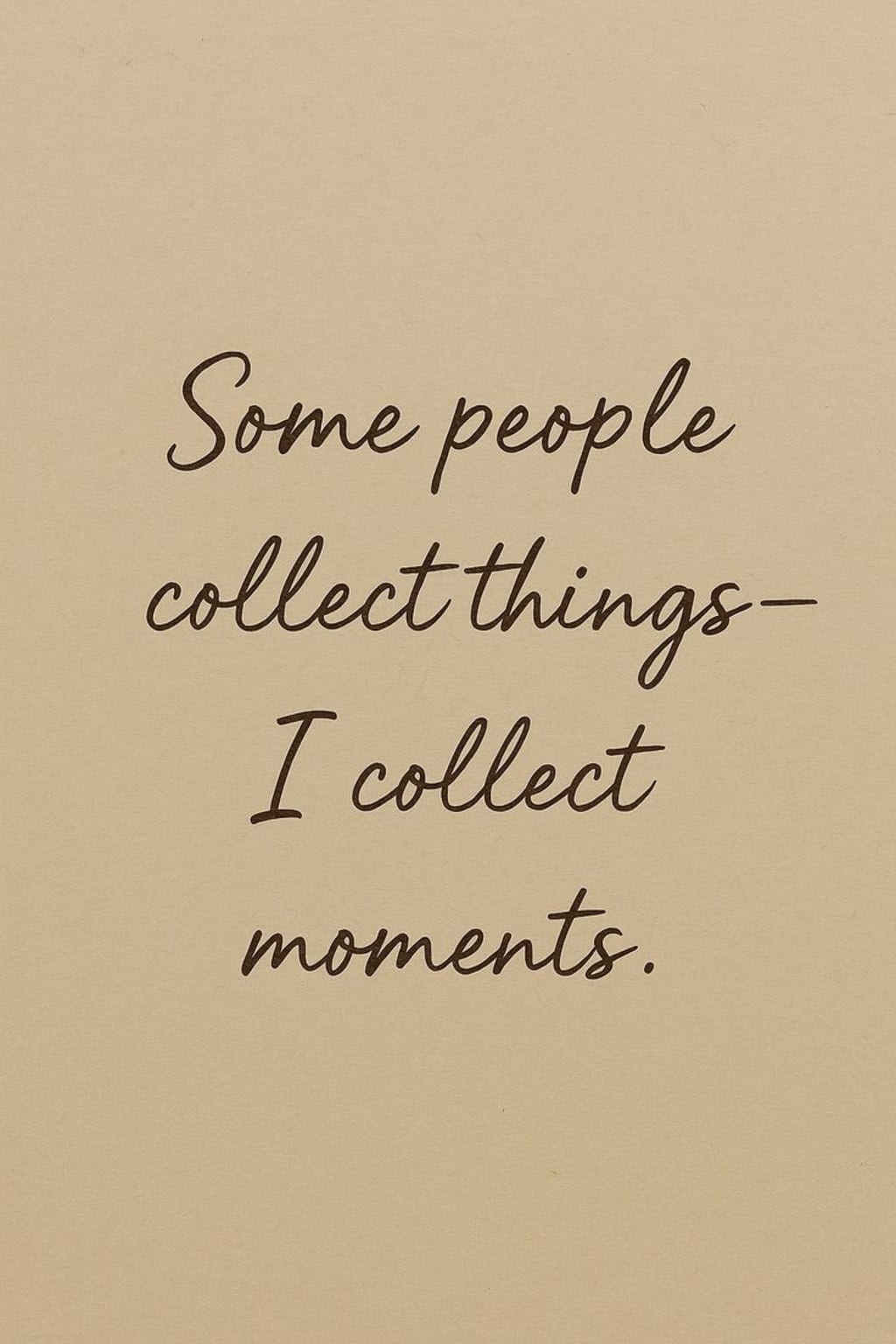
Souvenirs are more than simple objects. They’re tiny time machines, emotional anchors, and physical reminders of moments that mattered. Whether it’s a small keychain from a trip, a concert ticket, a bracelet from a friend, or even a handwritten note, souvenirs carry a weight far heavier than their size. They hold pieces of us — pieces we don’t want to lose.
Most people underestimate how powerful a souvenir can be. It doesn’t have to be expensive or rare. Sometimes the most valuable item you own is something only you understand. That’s the magic of souvenirs: their value isn’t in the object itself, but in the story behind it.
______________________________________________
Why We Keep Souvenirs in the First Place
Humans are naturally nostalgic. We like to remember where we’ve been, who we loved, and what we lived through. Souvenirs become symbols of those experiences. They freeze time. They hold emotions that words can’t fully explain.
When you pick up something that matters to you, it’s not the object you feel — it’s the memory attached to it. The feeling comes back instantly, like a spark inside you.
A seashell reminds you of a summer where everything felt simple.
A faded photo reminds you of a version of yourself you almost forgot.
A gift from someone who’s no longer around makes you feel close to them again.
Souvenirs help us stay connected to our story.
______________________________________________
The Emotional Weight Objects Carry
Every souvenir has its own kind of power. Some make you smile. Some make you ache. Some make you wonder how time moved so fast. They become emotional bookmarks in the giant book of your life.
A souvenir can represent…
a moment you were brave
- a friend you’ll never forget
- a place where you felt free
- a chapter you didn’t want to end
- a person who changed you
This is why letting go of souvenirs can feel impossible. You’re not letting go of the object — you’re letting go of the feeling it protects.
______________________________________________
When Souvenirs Become a Mirror
Souvenirs also show what you value.
If you look at the things you’ve kept over the years, you’ll notice something: they reflect your inner world.
They show what mattered to you at different stages of your life.
They reveal what kind of person you were — and who you were trying to become.
Some people keep souvenirs because they fear forgetting.
Others keep them because they like having proof of their journey.
Some just want to hold onto the softness of a moment that can’t be repeated.
Whatever the reason, souvenirs tell the truth about us.
______________________________________________
The Balance Between Holding On and Moving Forward
But souvenirs can also become emotional traps if we’re not careful. When you hold onto too many objects, you crowd your present with too much of your past. When every corner of your room is filled with memories, it becomes harder to create new ones.
There’s a difference between honoring your past and living in it.
The goal is not to erase every memory — but to choose the ones that genuinely matter. A single object can hold more meaning than twenty random things you’ve kept out of habit.
Holding onto the right souvenirs keeps your story alive.
Letting go of the unnecessary ones makes space for the story you haven’t written yet.
______________________________________________
Souvenirs Are Proof That You Lived
At the end of the day, souvenirs remind us that life isn’t just about moving forward — it’s about remembering where we’ve been. They ground us. They remind us that even small moments become important when time passes.
These objects are physical proof that you have lived, felt, grown, loved, and changed.
And the beautiful part?
Years from now, something you kept without thinking will become a treasure you didn’t know you’d need.
Because souvenirs aren’t just things we keep…
They’re things that keep us.
About the Creator
I Don't Need My Phone... Wait, Is That Actually True?
My parents gave me my first cell phone when I was twelve years old. It wasn't a fancy iPhone or anything, not even close. Just a simple black flip phone for when I needed to call or text them after school.
By Madison "Maddy" Newton4 days ago in Humans
The Gentle Truth: What Your Kid's "Gentle Parenting" Actually Looks Like in My Classroom
As a teacher for the past ten years, I've witnessed a profound shift in the parenting styles of the families I work with. The rise of “gentle parenting” – with its emphasis on empathy, communication, and understanding – has undoubtedly brought positive changes to many homes and children. However, as someone who sees these children in a structured, collaborative environment, I feel compelled to share a candid perspective on what gentle parenting *actually* looks like in the classroom, and the potential challenges it can present when translating from home to school.
By Wilson Igbasi5 days ago in Humans


Comments
There are no comments for this story
Be the first to respond and start the conversation.