
The FDA’s Ban on Red Dye 3: What You Need to Know
The FDA Takes Action: A Major Step for Consumer Health
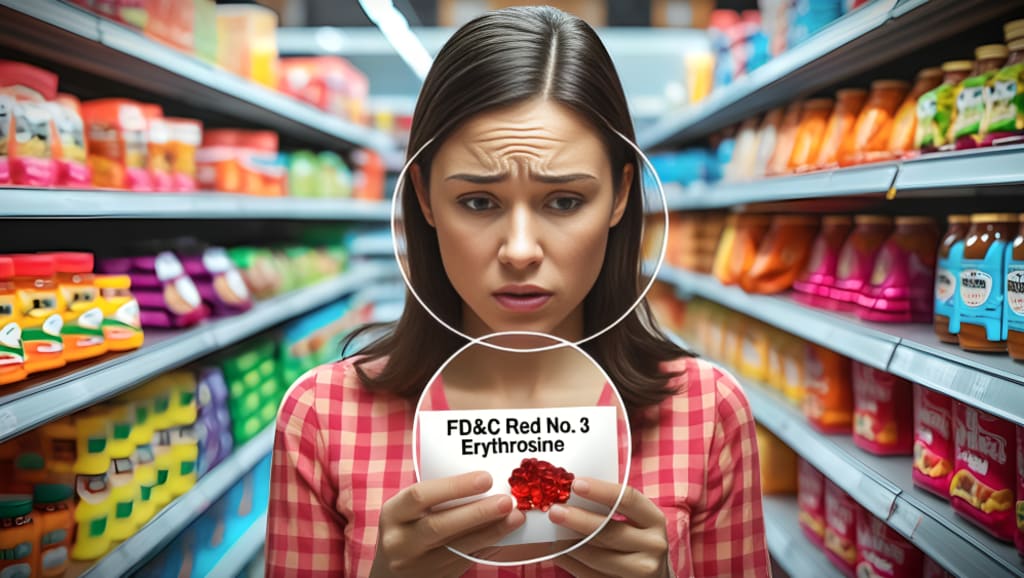
The FDA's new choice to boycott Red Colour 3 (Erythrosine) marks a huge move towards focusing on shopper well-being by tending to the dangers related to counterfeit food colourings. This manufactured colour, generally used to bestow dynamic red or pink shades to food, has for quite some time been under a magnifying glass for its potential wellbeing gambles, especially its connection to disease in research facility creatures. By disallowing its utilization in food items, the FDA has found a proactive way to safeguard general well-being while at the same time flagging a shift towards stricter guidelines on fake added substances.
As shoppers conform to this change, basic inquiries emerge: What precisely is Red Colour 3? Which food varieties are impacted? Furthermore, how can it contrast with other engineered colours like Red 40? In this article, we'll plunge into these worries, offering a thorough manual for help you comprehend and explore the progress.
What is Red Colour 3?
Red Colour 3, or Erythrosine, is a petroleum-derived engineered colorant that has been a staple in the food and drug businesses for quite a long time. Famous for its capacity to deliver lively red and pink shades, it has been utilized in different items, including confections, heated merchandise, and certain meds. Makers have depended on Red Colour 3 to make items outwardly engaging, especially to youngsters. Notwithstanding, developing wellbeing concerns have created a shaded area over its broad use.
For what reason is Red Colour 3 hurtful?
The essential wellbeing concern encompassing Red Colour 3 is causing cancer potential. Logical examinations on research facility creatures have demonstrated the way that high dosages of Erythrosine can prompt the advancement of thyroid growths.
Past Administrative Activities
• 1990 Restorative Boycott: The FDA restricted the utilization of Red Colour 3 in beauty care products and outer medications because of malignant growth chances.
• Allowed in Food Sources: Notwithstanding this, the colour kept on being permitted in food items, as utilization levels were considered improbable to present huge damage to people.
Refreshed Exploration and Backing
Backing endeavours, joined with fresher examinations, featured the requirement for a reassessment. Accordingly, the FDA sanctioned a total restriction on its utilization in food items, denoting a defining moment in tending to fake added substance chances.
Food Varieties That Contain Red Colour 3
The restriction on Red Colour 3 will influence an extensive variety of food items. Distinguishing things that might contain this destructive added substance is critical for going with informed decisions. Here are a few normal classes where Red Colour 3 has been generally utilized:
1. Confections
Red Colour 3 is a staple in splendidly hued desserts, especially those showcased to youngsters. Models include:
• Chewy candies
• Jam beans
• Candies
• Sugar-coated chocolates
As makers transition away from this colour, cautiously investigate treat marks for elective colorants.
2. Heated Products
From dynamic red velvet cakes to berry-enhanced baked goods, numerous pre-packaged prepared products contain Red Colour 3. Indeed, even ornamental food shading gels and fluids frequently incorporate this added substance.
3. Nibble Food Varieties
While more uncommon in appetizing things, a few seasoned chips, saltines, and other handled snacks utilize Red Colour 3 to upgrade their visual allure.
4. Pastries and Frozen Yogurt
Gelatine-based pastries, pudding blends, and certain frozen yogurts may likewise depend on Red Colour 3. Frozen organic product-enhanced treats and chocolate-seasoned assortments are especially vulnerable.
5. Handled food varieties
Bundled sauces, dressings, and instant feasts might incorporate Red Colour 3 to accomplish unobtrusive variety improvements, regardless of whether they show up brilliantly red.
Step-by-step instructions to distinguish food sources with red colour 3
To stay away from Red Colour 3, set aside some margin to peruse fixing names. Search for any of the accompanying terms:
• FD&C Red No. 3
• Erythrosine
• Red Colour #3
If all else fails, pick items named as "normally shaded" or "colour free" to limit your openness to counterfeit added substances.
Red Colour 3 versus Red 40: Key Contrasts
Albeit Red Colour 3 and Red 40 are both manufactured colorants, their disparities in organization, wellbeing, and administrative status are critical.
Red Colour 3 (Erythrosine)
• Synthesis: Got from petrol.
• Utilizes: Generally tracked down in confections, prepared products, and prescriptions.
• Wellbeing Concerns: Connected to thyroid growths in creature studies.
• Administrative Status: Prohibited by the FDA for use in food items starting around 2025.
Red Colour 40 (Allure Red)
• Creation: Another oil based manufactured colour.
• Utilizes: Tracked down in drinks, titbits, confections, and handled food varieties.
• Well-being Concerns: Related to hyperactivity in youngsters and hypersensitive responses.
• Administrative Status: Actually supported for use in the U.S., however prohibited or limited in certain nations.
Understanding these differentiations highlights the significance of examining fixing marks.
Worldwide Points of View on Fake Food Colours
The FDA's choice to boycott Red Colour 3 lines up with a worldwide pattern towards controlling fake food colours. For example:
• European Association: Requires cautioning names on items containing counterfeit colours. Certain colorants are prohibited altogether.
• Different Nations: A few countries have taken more forceful positions, prohibiting different engineered colours completely.
Normal Options in Contrast to Counterfeit Colours
As wellbeing cognizant shoppers request more secure choices, makers are progressively going to regular shading specialists. These options are gotten from plants, organic products, and vegetables, offering a cleaner and more manageable decision. Normal models include:
• Beet Juice: Dark red or pink tones.
• Paprika Concentrate: Rosy orange tones.
• Turmeric: Dazzling yellow shades.
• Spirulina: Green and blue tones.
• Carrot Powder: Orange and ruddy tints.
While regular colours might not be so lively but rather more costly, they give a more secure, eco-accommodating choice.
Ways to stay away from fake colours
• Understand Marks: Search for terms like FD&C followed by a number.
• Pick Normal Items: Decide on brands that stress "colour free" or "normally hued" fixings.
• Cook at Home: Control the fixings in your feasts and titbits by setting them up yourself.
• Support Straightforwardness: Backer for clear naming and backing organizations resolved to spotless, normal items.
End
The FDA's restriction on Red Colour 3 is a fantastic move toward defending general well-being and tending to well-established worries about fake food-added substances. This choice accentuates the significance of investigating fixing marks and settling on informed decisions. As buyers shift towards regular other options, they assume an imperative part in empowering better, more secure practices in the food business.
Understanding the differentiations between Red Colour 3 and other manufactured colorants, for example, Red 40, further engages people to diminish openness to possibly hurtful added substances. By focusing on regular items and embracing a colour-free way of life, you can move toward a better future for you as well as your loved ones.
FAQs
1. What is Red Colour 3 produced using?
Red Colour 3 is an engineered colorant gotten from petrol.
2. Are there any protected options in contrast to Red Colour 3?
Indeed, normal colours like beet juice, paprika extract, and spirulina give more secure other options.
3. For what reason did the FDA take such a long time to boycott Red Colour 3 in food?
Prior risk evaluations proposed insignificant mischief at run-of-the-mill utilization levels. In any case, refreshed exploration and promotion prompted the new boycott.
4. Is Red Colour 40 additionally being prohibited?
No, Red Colour 40 is as yet not endorsed for use in the U.S., despite the fact that its well-being is discussed.
5. How might I keep away from counterfeit colours by and large?
Understand names, pick normally hued items, and get ready dinners at home to stay away from counterfeit added substances.
About the Creator
Keep reading
More stories from MahaShanker Mandal and writers in Humans and other communities.
The First Ripples of a Global Storm: Reflections on the Early Months of COVID-19
The COVID-19 pandemic began almost silently, a world-changing happening for which we are still trying to find our way out. By the end of 2019, whispers of a mysterious illness in Wuhan, China, started popping up. Not many could have envisioned how these whispers would quickly turn into a deafening roar and change the course of history. The first critical months remind us all of fear, resilience, and humanity in defining this time. December 2019: The First Ripples of Trouble
By MahaShanker Mandalabout a year ago in Humans
I Don't Need My Phone... Wait, Is That Actually True?
My parents gave me my first cell phone when I was twelve years old. It wasn't a fancy iPhone or anything, not even close. Just a simple black flip phone for when I needed to call or text them after school.
By Madison "Maddy" Newton6 days ago in Humans
Super Bowl Outrage is Nonsensical
Some days it is hard to look away from this administration’s strategy of chaos in order to focus on the hope and beauty of life together. I am starting to unpack and name what I am seeing and where I want to hold my focus. As someone who has spent the past 25+ years deconstructing the conservative evangelical faith of my youth, which has morphed into a champion of Christian Nationalism, I believe we need to be clearer about what we aspire to in order to inspire (breathe life into) positive actionable goals for life-giving communities, which en masse can take the air out of those who seek to oppress.
By Laura Hanson Reber5 days ago in Humans




Comments
There are no comments for this story
Be the first to respond and start the conversation.