
The Remarkable Communication Between Humans and Dogs:
Chaser, Clever Hans, and the Science of Canine Intelligence

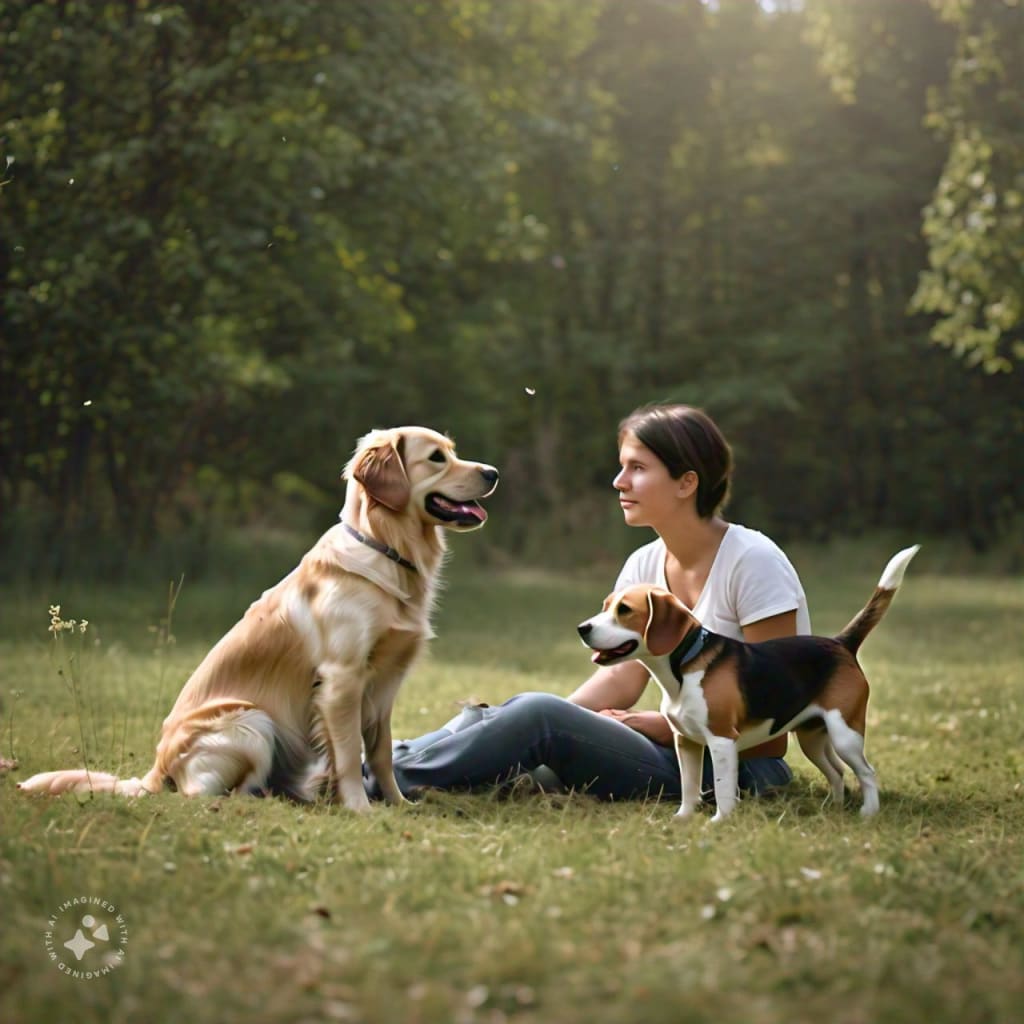
Hey everyone! Today, let’s dive into something truly fascinating about our canine companions. Have you ever heard of Chaser, the border collie with an extraordinary vocabulary? Chaser isn't just your average dog; he boasts a vocabulary of over 1,000 words, akin to a four-year-old child. This incredible feat demonstrates just how deeply dogs can understand and interact with us. But what does this mean for our relationship with our furry friends?
Chaser: The Canine Lexicon Master
Chaser’s ability to differentiate between nouns and verbs is nothing short of remarkable. Imagine this: a dog that can distinguish between “paw” and “lamb” or respond to specific commands like “nose ABC.” This is a clear indication that Chaser not only understands words but can also grasp their meanings in context. His ability to follow commands and understand instructions showcases a level of canine intelligence that’s both rare and impressive.
Yet, despite this impressive display of canine cognition, not all dogs exhibit such linguistic prowess. Take Oliver, for example. While he might not ace a vocabulary test, the fact that we engage with dogs and attempt to communicate with them highlights the special bond we share. The real magic lies not just in their ability to understand us but in how we communicate with them.
The Science Behind Dog Communication
Recent research from the University of Sussex offers some intriguing insights into how dogs process language. In one study, dogs were exposed to sounds played from speakers on either side of them. When commands were stripped of their emotional context, dogs turned their heads to the right, suggesting they process verbal meaning in their left hemisphere. On the other hand, when emotional sounds were played without coherent words, they turned to the left, indicating they process emotional content in their right hemisphere.
These findings suggest that dogs can separate the meaning of words from the emotional tone of our voices. This means that when you ask your dog if it wants to go for a walk, it’s not merely assessing the words; it’s also picking up on the emotional cues you provide.
Clever Hans and the Limits of Canine Cognition
However, our understanding of animal intelligence isn’t always straightforward. Enter Clever Hans, a horse from the early 1900s who was believed to solve simple math problems by tapping his hoof. It was later discovered that Hans was not solving math problems but responding to subtle cues from his handlers. This phenomenon, known as the Clever Hans effect, highlights how animals can sometimes seem more intelligent than they are due to unintentional cues from humans.
This raises an important point: while dogs like Chaser demonstrate impressive cognitive abilities, there might still be a bit of Clever Hans at play. They may not fully grasp the complexities of human language but are adept at picking up on contextual and emotional cues.
Darwin’s Insights and Canine Empathy
Charles Darwin’s book, "The Expression of the Emotions in Man and Animals," proposed that our ability to express and interpret emotions evolved from animals. Recent studies suggest that Darwin was onto something. Dogs are the only non-primate animals that actively seek out eye contact with humans. Unlike their wolf ancestors, who avoid eye contact, dogs’ behavior indicates a deep emotional connection with us.
Moreover, research has shown that dogs exhibit a “left-gaze bias” when looking at human faces, similar to humans’ tendency to focus on the right side of others' faces. This suggests that dogs are not just reacting to us but genuinely trying to understand our emotions and intentions.
Understanding Dog Barks: Are We Fluent in “Dog”?
Interestingly, research from Hungary has shown that many people can accurately interpret the meaning behind recorded dog barks. For example, distinguishing between an angry bark and a request for a walk might be easier than we think. This ability to read canine emotions further underscores our long-standing relationship with dogs and our mutual understanding.
The Evolution of the Human-Dog Bond
Over the past 10,000 years, humans and dogs have co-evolved, shaping each other’s behaviors and communication styles. We’ve transformed wild wolves into the loyal, loving dogs we have today. Even if we don’t always understand each other perfectly, the effort to communicate and connect is what makes our bond so special.
As we continue to study and learn more about canine cognition, it becomes increasingly clear that our relationships with dogs are not just based on companionship but also on a profound understanding that transcends simple commands and gestures. Whether it’s Chaser’s impressive vocabulary or Oliver’s endearing attempts, our connection with dogs enriches our lives in countless ways.
For more on canine behavior and the science behind our relationships with dogs, check out BrainCraft and discover whether dogs really miss us when we’re gone.
Stay curious, and give your furry friend an extra scratch behind the ears.
Good boy! 🐾
About the Creator
Keep reading
More stories from Mercia Wippenaar Davids and writers in Humans and other communities.
The Reality of Becoming Smart:
When we think about becoming "smart," many people are led to believe it requires years of formal education: 12 years of schooling, followed by 4 years of college, and then another 6 years of graduate school. Yet, for many, this pathway doesn’t always lead to success. Instead, it can sometimes result in financial struggles, an overwhelming amount of debt, or even homelessness. But don’t lose hope! There’s a different, more practical approach to becoming smarter that doesn’t involve endless schooling or the risk of living on the streets.
By Mercia Wippenaar Davids2 years ago in Humans
Cabin Fever Because of Snow, Sleet, and Freezing Rain That Turned to Icy Roads
What Is Cabin Fever? The short answer is that cabin fever is restlessness from being in a confined area. Cabin fever is the distressing irritability or restlessness experienced when a person or group is stuck at an isolated location or in confined quarters for an extended time. Research shows that prolonged cold, gray skies, and being stuck indoors can trigger mood shifts similar to “winter blues.”
By Margaret Minnicks4 days ago in Humans


Comments (1)
Excellent treatise