
They Fought for the C.I.A. in Afghanistan. In America, They’re Living in Fear.
Afghan nationals who risked their lives for the CIA face uncertainty, threats, and legal limbo while resettled in the United States.

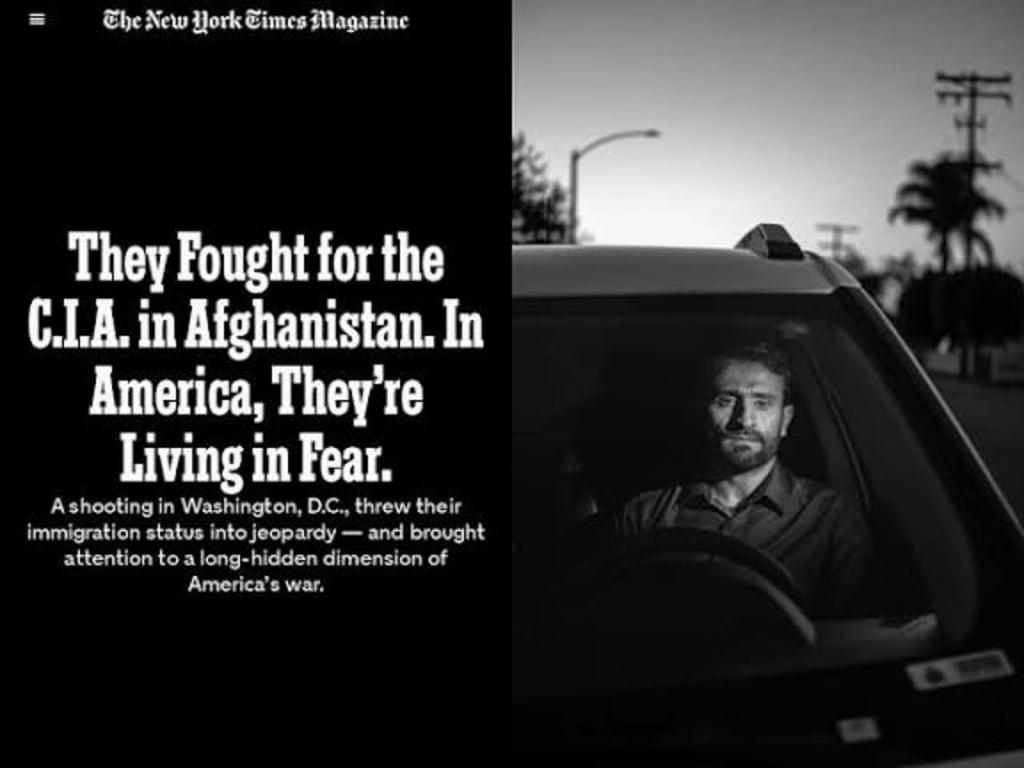
For years, Afghan nationals risked their lives working alongside the Central Intelligence Agency in Afghanistan, conducting surveillance, protecting operatives, and gathering intelligence against Taliban forces. Their service was critical to U.S. operations, yet today, many of these former allies are living in the United States under the shadow of fear, uncertainty, and bureaucracy.
These men, often trained in paramilitary tactics and intelligence operations, were targeted by insurgents precisely because of their work with American forces. Following the fall of the Afghan government in 2021, several thousand fled the country under emergency programs, arriving in the United States with hopes of safety and stability. Instead, many describe a life marked by anxiety, isolation, and legal uncertainty.
“I fought for them,” said one former operative, who asked not to be named for security reasons. “I saved lives. I protected officers. And now, I feel like I am fighting again — for my own survival.”
Legal Limbo and Vulnerability
Unlike interpreters who worked with the U.S. military, CIA partners often lack the documentation required for visas such as the Special Immigrant Visa (SIV) program. Many arrived on temporary humanitarian parole, which does not guarantee permanent status or lawful work. Without proper documentation, former operatives cannot secure housing easily, access benefits, or travel safely. Their families, some still overseas, remain targets for reprisal attacks by the Taliban.
Legal advocates emphasize the unique vulnerability of these individuals. “These are not ordinary refugees,” said Sarah Henderson, a human rights attorney in Virginia. “They were embedded with U.S. operations, trained to hunt insurgents. Returning them, even inadvertently, would almost certainly be fatal.”
The psychological toll is severe. Years of combat and covert operations have left many with untreated trauma, compounded by anxiety over family members left behind. The sense of isolation is intensified by the secrecy surrounding their work; they cannot publicly discuss their missions, even as they attempt to integrate into American society.
Threats Follow Them Abroad
Despite resettlement, some former operatives report being targeted online and receiving threats from Taliban sympathizers. Social media platforms, encrypted messaging apps, and even email have become avenues for intimidation. One man recounted receiving a message that included photos of his family in Afghanistan, warning that they would be harmed unless he ceased contact with American authorities.
“The danger never ends,” said another former operative. “You survive one war, only to fight another in a country that promised you protection.”
Government Response and Advocacy
U.S. officials acknowledge the difficulties but cite security and verification procedures as limiting factors in offering permanent solutions. Lawmakers from both parties have introduced measures to expedite visas for intelligence partners and extend protections to their families. Advocacy groups argue that failure to act not only endangers individuals but undermines America’s credibility with future allies.
In response, several non-profit organizations have begun providing legal support, mental health counseling, and community resources to help these families navigate life in the U.S. “We cannot undo the past,” said Henderson, “but we can prevent further harm by ensuring they have safety and stability.”
A Quiet Plea for Recognition
For the men who once risked everything in the mountains and deserts of Afghanistan, life in the United States is bittersweet. They are grateful to be alive, yet haunted by the consequences of their service. “We believed in a mission,” one operative said. “Now, we just want the promise kept — that the country we fought for will protect us.”
Their plight is a stark reminder of the human cost of covert operations and the long-term responsibilities that follow. These are men who fought for the U.S., yet today, in America, they are still fighting — this time for safety, recognition, and the ability to live without fear.
About the Creator
Fiaz Ahmed
I am Fiaz Ahmed. I am a passionate writer. I love covering trending topics and breaking news. With a sharp eye for what’s happening around the world, and crafts timely and engaging stories that keep readers informed and updated.
Keep reading
More stories from Fiaz Ahmed and writers in Humans and other communities.
I Want to Come Back, to Win Gold”: Banned Ukrainian Determined to Race for Glory in Helmet of Memory
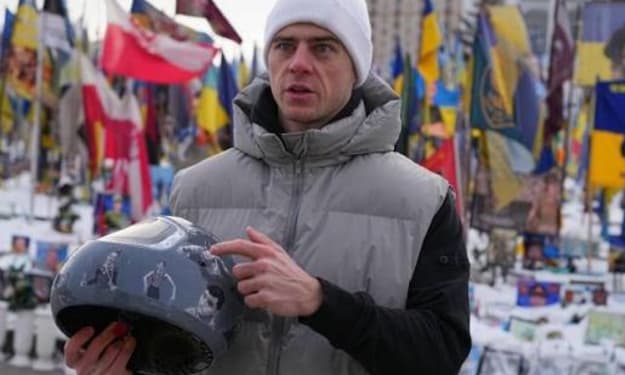
Despite being sidelined by an unexpected ban, Ukrainian athlete Vladyslav Morozov is fuelled by a singular goal: to return to competition and win Olympic gold while wearing a symbolic “helmet of memory” that honours the sacrifices of his country. Morozov’s journey is part story of athletic ambition, part testament to resilience in the face of personal and national adversity. Once one of Ukraine’s fastest speed skaters, Morozov was preparing for what many expected to be his peak performance year when a regulatory decision abruptly halted his participation in international events. The ban — imposed by an international sports federation following a technical violation related to equipment standards — came just months before a major world championship, derailing years of training. “I was devastated,” Morozov said in a recent interview. “Not because I was banned, but because I felt I was letting down everyone who believed in me — my family, my teammates, and my country.” From Peak to Pitfall Morozov’s career began in childhood, training on frozen lakes near his hometown in western Ukraine. Early success earned him national recognition and a chance to train with Ukraine’s best, where he developed into a sprinter with Olympic potential. His rise was marked by discipline and quiet confidence, traits that endeared him to coaches and fellow athletes. In late 2025, Morozov qualified for the World Speed Skating Championships but was informed that his racing helmet did not meet a newly updated safety certification required by the international governing body. Although the issue was deemed a bureaucratic oversight rather than malicious intent, the penalty was firm: he could not compete until his equipment met the revised standards. “It was excruciating,” he recalled. “I had trained for countless hours, and something as small as a certification on my helmet stopped me from racing. But this is sport — rules matter.” Racing With Memory and Meaning Rather than retreating from the sport, Morozov chose to embrace the situation as a moment of reflection and purpose. He began training harder, adjusting his techniques, and collaborating with helmet manufacturers to design an updated model that not only met safety standards but also carried personal and national symbolism. The result was the “helmet of memory” — a custom-designed racing helmet adorned with imagery honoring Ukraine’s resilience and the lives lost during years of conflict. The design includes subtle engravings of candlelight and national symbols, representing remembrance and hope. “For me, this helmet is more than protection,” Morozov said. “It is a tribute. Every time I put it on, it reminds me why I race — not just for medals, but for the spirit of my people.” Support and Solidarity Word of Morozov’s story spread quickly through Ukrainian media and international sports networks, attracting support from fans, fellow athletes, and advocacy organizations. Many see his journey as emblematic of Ukraine’s broader struggle: a quest for recognition and triumph despite formidable obstacles. Several European speed skaters have reached out with messages of solidarity, praising his resilience and expressing hope that he will compete again soon. “He’s an inspiration,” said one peer from the Netherlands, a country known for its speed skating pedigree. “Anyone who can turn a setback into something meaningful deserves a place on the starting line.” Looking Toward Redemption Morozov is now focused on meeting the equipment requirements and returning to competition as soon as possible. He has set his sights on the upcoming World Cup circuit and, ultimately, the next Winter Olympics — where he hopes to “come back, to win gold” while wearing his helmet of memory. “It’s not just about me anymore,” he said. “It’s about giving people something to believe in. When I race, I carry all those who can’t be here. That is my strength.” For a country seeking moments of hope and unity amid hardship, Morozov’s determination resonates far beyond the ice. His story is a powerful reminder that athletic ambition and personal conviction can become symbols of national identity and collective resilience — even in the face of setback and exclusion.
By Fiaz Ahmed about 9 hours ago in Humans



Comments
There are no comments for this story
Be the first to respond and start the conversation.