
When Your Body Has No Energy but Your Mind Wants More
Understanding body energy, exhaustion, and why rest isn’t weakness

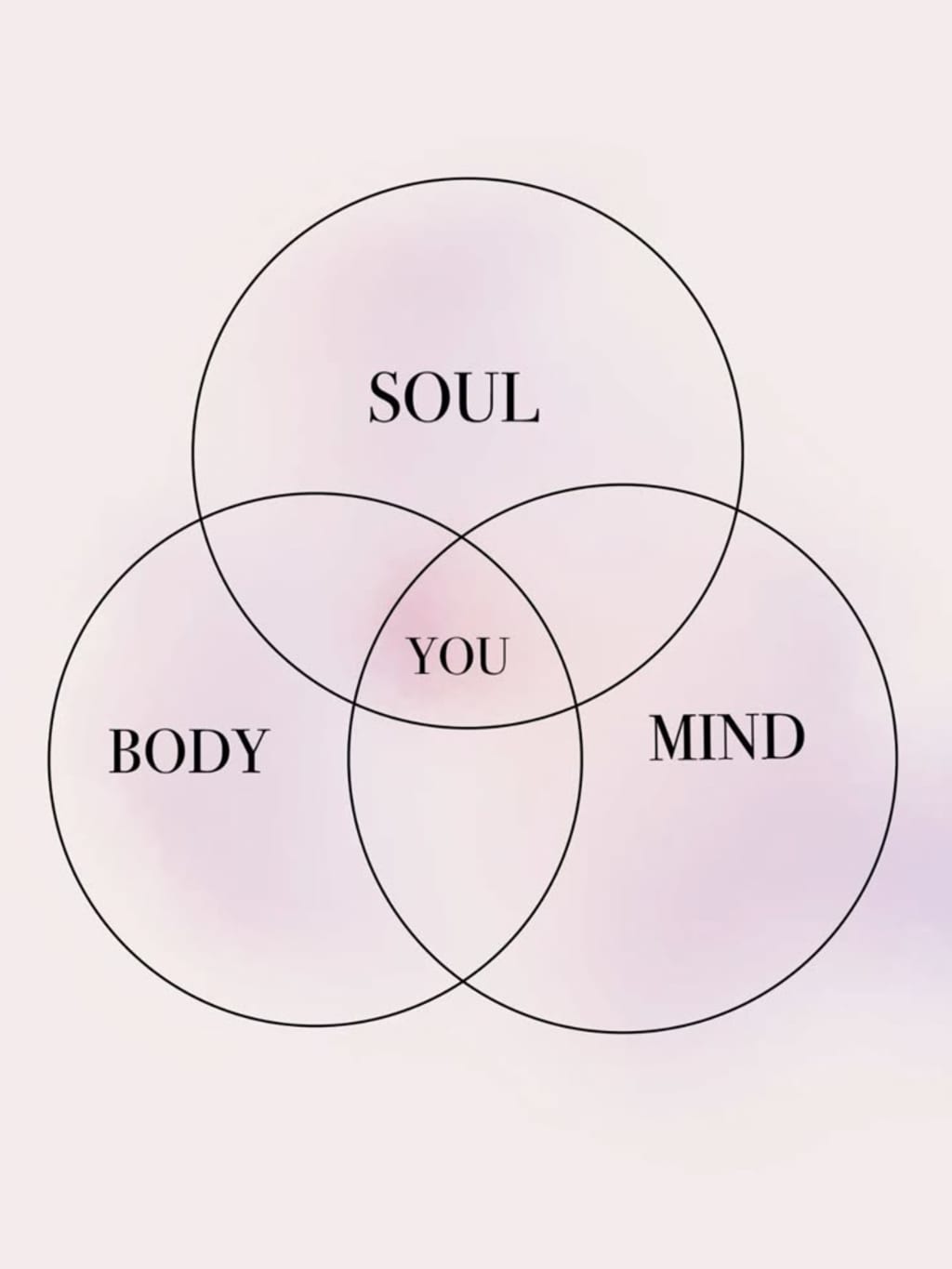
There are days when your mind wants to move, but your body refuses.
You have plans. Intentions. Ideas. You want to be productive, focused, present. But your body feels heavy. Slow. Drained. Even simple tasks feel harder than they should.
And the frustrating part is that you can’t always explain why.
This disconnect between mental desire and physical energy is more common than people realize. And it’s often misunderstood. People label it laziness, lack of discipline, or low motivation — when in reality, it’s an energy issue.
Your body isn’t a machine. It’s a system.
Energy isn’t just about sleep or food. It’s about how your nervous system, emotions, habits, and environment interact. When one part is overloaded, the whole system feels it.
Body energy is finite. It renews — but only when conditions allow it to.
One major drain on body energy is chronic stress. Even low-level stress that feels “normal” keeps the body in a state of alert. Muscles tense. Breathing becomes shallow. The nervous system stays activated. Over time, this constant readiness exhausts the body.
You may not feel panicked — but you feel tired all the time.
Another hidden energy drain is emotional suppression. Holding things in takes effort. Swallowing frustration, sadness, or anger requires internal tension. When emotions aren’t expressed or processed, they don’t disappear — they settle into the body.
That’s why emotional exhaustion often feels physical.
Overstimulation is another major factor. Constant screens, noise, information, and multitasking overload the brain and nervous system. When your system never gets quiet, energy doesn’t restore properly. Rest becomes shallow instead of restorative.
You might sleep — but you don’t feel rested.
Body energy is also affected by how safe your system feels. When you’re constantly rushing, pressuring yourself, or criticizing yourself, your body stays defensive. Defense mode uses energy. Calm mode restores it.
Many people live in defense mode without realizing it.
There’s also the misunderstanding that pushing harder creates more energy. Sometimes it does — briefly. But long term, ignoring exhaustion leads to burnout. The body eventually forces rest through fatigue, brain fog, or illness.
Energy loss is communication.
Your body is saying something needs to slow down, shift, or change.
One of the most harmful beliefs people hold is that needing rest means weakness. In reality, rest is maintenance. Just like charging a battery, rest allows energy to return. Without it, output declines no matter how strong your will is.
Another mistake is separating the body from the mind. Mental exhaustion is physical exhaustion. Thinking intensely, worrying constantly, or staying emotionally alert consumes real energy.
That’s why even days with “nothing physical” can feel draining.
So how do you restore body energy?
First, you listen — without judgment. Instead of asking, “Why am I like this?” ask, “What does my body need right now?” Sometimes the answer is sleep. Sometimes movement. Sometimes silence. Sometimes nourishment. Sometimes emotional release.
Second, regulate before you optimize. Deep breathing, gentle movement, stretching, sunlight, and slowing down your pace signal safety to the nervous system. Safety allows energy to rebuild.
Third, reduce unnecessary stimulation. You don’t need to remove everything — just create moments of quiet. No phone. No noise. No input. Let the system settle.
Fourth, respect your natural rhythms. Energy isn’t constant throughout the day. Fighting low-energy periods with force creates resistance. Working with your body preserves energy instead of draining it.
Fifth, stop using guilt as fuel. Guilt burns energy fast. It creates tension without producing sustainable action. Compassion creates far more usable energy than pressure ever will.
It’s also important to distinguish between low energy and lack of purpose. Sometimes energy returns when meaning returns. When what you’re doing aligns with who you are, the body often responds with more vitality.
Misalignment is exhausting.
Another truth people avoid: sometimes energy is low because you’ve been giving too much outwardly. Supporting others. Meeting expectations. Being available. Energy needs to circulate inward too.
Restoring energy isn’t selfish — it’s responsible.
A regulated body thinks clearer, feels steadier, and acts more intentionally. When energy is balanced, motivation follows naturally. You don’t have to force yourself as much.
Your body wants to function well. It’s not working against you. It’s adapting to how you’ve been living.
Low energy doesn’t mean you’re broken.
It means something needs attention.
When you stop fighting your body and start cooperating with it, energy doesn’t just return — it stabilizes.
And from that stability, everything else becomes easier.
Not faster.
Not perfect.
But sustainable.
And that’s what real energy is for.
About the Creator
The Invisible Shield: Why a Mother’s Love is the World’s Greatest Power
By Hazrat Umer In the rush of our lives, we often forget the person who was there before we even took our first breath. We celebrate big heroes in movies and books, but the real heroes are often sitting quietly in our homes, praying for us while we sleep. In my fifteen years of watching people succeed and fail, I have noticed a secret pattern. Those who have the most peace in their lives are often those who have the shade of their mother’s prayers over their heads.
By Hazrat Umerabout 15 hours ago in Humans
A Gathering of Evil Bosses
“I’m the queen of chin jutting while I smooth my hair, attacking, insulting, and deflecting to protect my appointer.” “Oh, please, Blondi, my hair is curled, highlighted, and longer than yours. I feature television commercials telling immigrants that we will give them a free plane ride home, and if they voluntarily turn themselves in, they will be allowed to legally apply for re-entry. It runs everywhere, and I look good in it! You can’t compete because of your blond hair. Mine is nicer, and my lips are prettier than yours.”
By Andrea Corwin 4 days ago in The Swamp




Comments
There are no comments for this story
Be the first to respond and start the conversation.