
FRA Proposes Amtrak Become Holding Company: What It Means for the Future of U.S. Rail
A proposed restructuring by the Federal Railroad Administration could transform Amtrak into a holding company overseeing operations, infrastructure, and equipment — sparking debate over efficiency, funding, and the future of U.S. passenger rail.
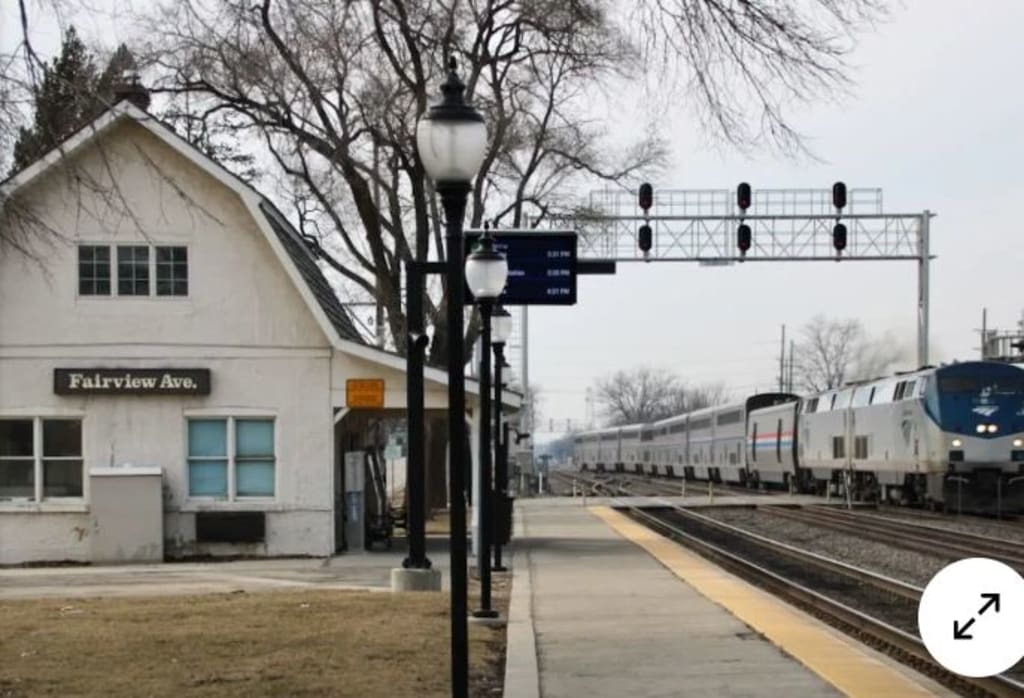
The idea has sparked strong reactions from transportation experts, passenger advocates, and labor groups. Some see it as a modernization effort that could improve efficiency and transparency, while others worry it could open the door to privatization or service reductions.
In this blog, we break down what the proposal is, why it’s being discussed, and what it could mean for passengers.
🚆 What Is the Proposal?
According to information shared with the Rail Passengers Association, federal officials are exploring a new structure that would divide Amtrak into three main units under one umbrella company.
These divisions would focus on:
Operations – Running trains and delivering passenger services
Equipment and rolling stock – Managing trains, maintenance, and leasing
Infrastructure – Handling tracks, stations, and major construction projects
Currently, Amtrak manages all of these responsibilities within one corporate structure. The proposed change would separate those functions while keeping them connected through a parent organization.
The goal is to make budgeting clearer, improve accountability, and speed up project delivery.
📊 Why Is the FRA Considering This?
The timing is not random. The United States is entering a period where transportation funding decisions will shape infrastructure for decades.
Supporters of the proposal say Amtrak’s current structure can make it difficult to track how money is spent — especially because the company both operates trains and owns key infrastructure, particularly along the Northeast Corridor.
A holding company model could:
Clarify where federal funds go
Improve coordination with states
Make expansion projects easier to manage
Prepare the system for future high-speed rail development
In short, it’s about modernization and long-term planning.
⚠️ Concerns About Privatization
Despite the potential benefits, critics are cautious.
Labor unions and advocacy groups fear that splitting Amtrak into separate entities could make it easier to outsource services or introduce private competition.
The Brotherhood of Locomotive Engineers and Trainmen has warned that restructuring could impact workforce protections, scheduling, and union agreements.
Passenger advocates also worry that profitable routes or infrastructure could be prioritized while long-distance or rural services — which are less profitable but socially important — might suffer.
Federal officials, including representatives from the United States Department of Transportation, have said the goal is to strengthen Amtrak, not privatize it. Still, skepticism remains.
✅ Possible Benefits for Passengers
If implemented carefully, the holding company approach could bring meaningful improvements.
Here are some potential upsides:
1. Better Transparency
Passengers and lawmakers could see exactly how money is used — operations vs. infrastructure vs. equipment.
2. Faster Upgrades
Dedicated infrastructure teams could accelerate station improvements, track repairs, and expansion projects.
3. More Reliable Service
Separating responsibilities might reduce operational bottlenecks.
4. Easier Expansion
States looking to add new routes could work with clearer structures for funding and equipment.
Globally, many rail systems already use similar models, suggesting the approach is not unusual.
❌ Risks and Challenges
Structural change alone doesn’t fix long-standing problems in U.S. rail.
Passenger groups highlight several risks:
Service cuts on less profitable routes
Higher fares if costs shift
Coordination issues between divisions
Administrative complexity instead of efficiency
There’s also a larger issue: funding. Without consistent federal investment, reorganization may have limited impact.
In other words, structure matters — but money matters too.
👷 Workforce Impact
Another major question is what happens to employees.
Amtrak has tens of thousands of workers across operations, maintenance, and infrastructure. Any restructuring could affect job roles, training requirements, and union agreements.
Workers want assurances that:
Existing protections remain
Career paths are preserved
Safety standards stay strong
So far, detailed workforce plans haven’t been released, leaving uncertainty.
💰 The Bigger Funding Debate
This proposal is part of a larger conversation about how America funds passenger rail.
Unlike highways and aviation, rail doesn’t have a dedicated funding stream and relies heavily on annual government appropriations. That makes long-term planning harder.
Many experts say that without stable funding, organizational changes won’t deliver their full benefits.
Congress will likely play a key role if the restructuring moves forward.
🔮 What Happens Next?
The FRA’s idea is still in an early stage. More discussions, stakeholder feedback, and possibly formal policy steps are expected before any decision is made.
Key unanswered questions include:
How funding would flow between divisions
Whether routes would change
How labor agreements would be handled
What oversight mechanisms would exist
This means the debate is just beginning.
🌎 Why This Matters
Passenger rail is gaining attention as cities grow, climate concerns rise, and infrastructure modernization becomes a priority.
Amtrak sits at the center of that conversation. How it is structured could influence:
High-speed rail development
Regional connectivity
Climate transportation goals
Economic mobility
For supporters, the proposal represents an opportunity to modernize a vital national service. For critics, it raises concerns about fragmentation and public accountability.
✍️ Final Thoughts
The proposal to turn Amtrak into a holding company highlights a bigger reality: the United States is rethinking how passenger rail should work.
Whether this restructuring happens or not, it signals momentum for change. The challenge will be balancing efficiency with accessibility, modernization with public service, and innovation with worker protections.
For passengers, the outcome could shape how Americans travel by train for decades to come.
About the Creator
~ Fired ~
— Ai Intrusion ~ Are you Next ~ Is Ai Evolution after your job? — Few workplaces haven't been affected. Ai is in supermarkets, at doctors' offices, and even monitoring farms. I just can't think of anything this machine is not getting into, can you? For instance: Education ~ Law and Tech jobs will one day have a major influence or be taken over by these inanimate machines, with accuracy and vigor. From mechanics' diagnoses to a wide variety of everyday jobs, including fast food workers, with this input having the ability to cut their unnecessary work hours. I'm certain all of us have been touched by this with our short stories and colorful headings, have you? Even comments are very questionable 'Non-Robot' insertions.
By Jay Kantor23 days ago in Journal
Why Consistency Builds More Trust Than Creativity in Digital Design
A product’s growth and usability depend on strategic UI/UX design, and the interface's familiarity. A familiar interface will be using the same design elements throughout the page to ensure visual, functional, and content-wise consistency.
By Design Studio UI UX4 days ago in Journal
Boundless
A geographical map could take you there. To the places I've been, to the sights I've seen, to the landscapes I've climbed. But no compass could point you in the direction of my memories. To the experiences I've lived, to the happiness I've felt, to the wonder I've held so close to my heart.
By Alyssa Mussoa day ago in Writers




Comments
There are no comments for this story
Be the first to respond and start the conversation.