
How to Take Care of Knock Off Designer Bags So They Last Longer
People buy knock off designer bags for the same reason they buy any bag: to use it. The irony is that most of the visible “quality differences” people complain about in fake designer bags show up less because of how the bag was made and more because of how the bag is treated after it arrives.

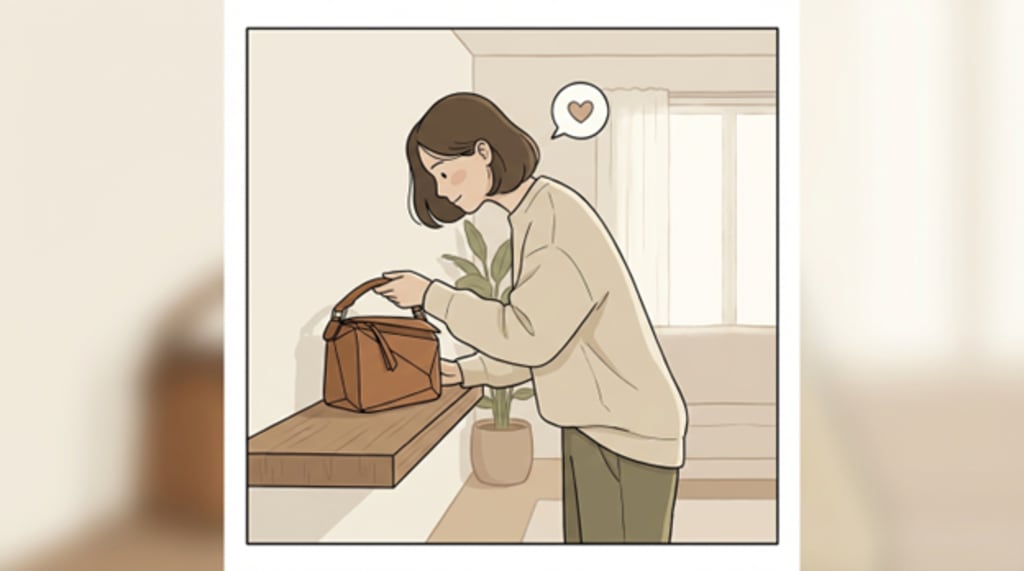
People buy knock off designer bags for the same reason they buy any bag: to use it. The irony is that most of the visible “quality differences” people complain about in fake designer bags show up less because of how the bag was made and more because of how the bag is treated after it arrives. Corners get shredded on rough surfaces, edge paint cracks from dryness and friction, hardware gets scratched by keys, and straps deform because the bag is overloaded like it’s a gym duffel.
If you want knock off designer handbags or replica handbags to actually hold up, you need to treat them like functional objects with real weak points. This guide explains how experienced buyers keep bags looking good long-term, even with daily carry, travel, and regular exposure to heat, humidity, and friction.
Know What Material You’re Dealing With Before You Touch Anything
Most knock off designer bags fall into a few material buckets, and each bucket fails differently.
Coated canvas is usually the most forgiving. It resists stains and handles light moisture well, but it can crack over time if it’s repeatedly flexed in the same place or baked in heat. Treated leather or “smooth leather” looks great when new, but it’s the first to show scuffs, dryness, and edge cracking if you never condition it. Synthetic blends can be surprisingly durable, but they often warp if stored under pressure or exposed to high heat in a car.
Before you clean or condition anything, identify what you have. If the surface feels slightly plasticky and wipes clean easily, it’s often coated canvas. If it has a matte finish with visible grain and absorbs oils from your fingers, it’s likely leather or a leather blend. If it feels uniform and rubbery, you’re probably dealing with PU or a synthetic laminate.
This matters because the fastest way to ruin a replica designer bag is using the wrong product on the wrong surface. Alcohol wipes, strong detergents, and heavy oils are how people create “mystery stains” they can’t reverse.
This same care framework applies across most luxury alternatives, especially structured replica handbags that rely on coated canvas, reinforced seams, and layered edge finishing. The best knockoff purses are built around these materials tend to respond predictably to proper storage, gentle cleaning, and controlled daily use, regardless of the specific design they imitate.
Cleaning Without Destroying the Finish
Most bags do not need frequent deep cleaning. What they need is controlled maintenance that doesn’t grind dirt into seams or strip finishes off edges.
For coated canvas or treated surfaces, a soft microfiber cloth lightly dampened with water is usually enough for day-to-day care. If there’s grime buildup, use a tiny amount of mild soap diluted in water and wipe gently. Do not scrub aggressively, especially near stitching lines or embossed areas, because friction wears down the finish and can fuzz stitching over time.
For leather surfaces, avoid soaking. Use a barely damp cloth to lift surface dust, then dry it immediately. If you’re using leather conditioner, use less than you think you need. The goal is to prevent dryness, not make the bag oily. Over-conditioning is how leather ends up looking blotchy and attracting dirt.
Interior cleaning should never involve saturating the lining. Dump the bag out, shake it gently upside down, then use a lint roller or soft brush to lift dust and debris. If there’s a stain inside, dab it carefully and let it air dry fully. Bags that stay damp inside develop odor and lining damage faster than people expect.
The Real Enemy: Corners, Edge Paint, and Strap Stress
If you want a practical way to judge whether a replica bag will “age well,” ignore the logo and focus on three areas: corners, edges, and straps.
Corners wear out first because they take impact and abrasion. Putting your bag down on concrete, restaurant patios, textured countertops, or the floor of a car repeatedly will chew corners up fast. This happens with authentic bags too, but it’s more noticeable on lighter colors and structured shapes.
Edge paint is the second failure point. The glazing along straps and seams cracks when it dries out or flexes too aggressively. Once it starts cracking, moisture gets in, friction worsens it, and the bag begins to look worn even if the rest is fine. Keeping edge paint healthy is mostly about avoiding dryness, heat, and overloading straps so they don’t bend sharply.
Straps fail when bags are overloaded. Many knock off designer bags and imposter designer handbags are carried like work totes but treated like shopping bags. If you regularly pack heavy items like laptops, water bottles, chargers, or makeup bags, the strap anchors and stitching points are doing real work. That’s where creasing, stretching, and seam stress start.
If you’re carrying heavy loads, choose sturdier silhouettes and thicker straps. Thin shoulder straps and small handle bases wear faster under weight, especially on structured bags.
Hardware Care That People Ignore Until It’s Too Late
Hardware is where fake designer bags often give themselves away after a few months, not because the hardware is always “bad,” but because people abuse it.
Keys scratch turn-locks and zippers. Chains rub against clasps. Metal feet get scraped on surfaces. This is all preventable if you store and carry intelligently.
Wipe hardware occasionally with a dry microfiber cloth to remove oils and moisture. If you’re in a humid climate, hardware tarnish happens faster. If you’re traveling, do not throw the bag in a suitcase with loose accessories. That’s how you get permanent scratches that make the bag look older than it is.
Gold-tone and rose-tone hardware should be treated gently. Even higher-grade plating can dull if it’s constantly rubbed by jewelry, keys, or hard surfaces.
Storage That Preserves Shape Instead of Creating New Damage
Storage is where most replica handbags get ruined quietly.
Never store a bag collapsed under other bags. If it’s structured, store it upright and lightly stuffed so it holds its silhouette. Use clean tissue paper, soft fabric, or a bag pillow. Overstuffing is a problem too, because it stretches seams and distorts shape, especially around zipper lines and gussets.
Dust bags help, but avoid sealed plastic. Plastic traps moisture, which leads to odor and interior damage. Breathable fabric is safer. If you live in a humid region, silica packets near your bag storage area can reduce moisture buildup.
Keep bags away from direct sunlight. Even coated canvas can discolor over time. Leather dries faster and cracks sooner when exposed to heat.
Weather, Friction, and the “Daily Carry Reality Check”
If your bag is an everyday carry, treat it like one. Daily friction against jeans, jackets, and seatbelts creates wear patterns. Lighter colorways show this faster. Rain, humidity, and heat all accelerate aging.
If the bag gets wet, dry it naturally in a ventilated room. Don’t blast it with a hair dryer or leave it in a hot car. Heat warps synthetic coatings and dries leather unevenly.
A simple habit that extends lifespan is rotation. Carrying the same bag every day concentrates stress on the same strap points and corners. Even rotating between two bags spreads that stress and keeps both looking better longer.
What to Look for in a Store if You Actually Care About Longevity
This is where people get it wrong. They hunt for buzzwords. They should be hunting for behavior.
A top-notch replica store should show clear product photos under neutral lighting, publish basic measurements (width, height, depth, strap drop), and describe materials honestly, including whether a bag is coated canvas, treated leather, or a synthetic blend. It should also show close-ups of edge finishing, stitching lines, and hardware. Stores that hide these details or rely only on glamour photos are usually where buyers end up disappointed.
Buyers comparing shoulder bags often notice how different silhouettes age depending on strap placement, corner reinforcement, and overall rigidity. These differences become easier to recognize when looking at a consistent group of styles built around similar proportions and materials, such as classic Gucci-inspired handbags that emphasize structure and coated canvas construction.
The Bottom Line
Knock off designer bags, replica designer bags, and fake designer bags don’t automatically fall apart. What makes them look worn fast is predictable: rough surfaces, overloading, poor storage, aggressive cleaning, and hardware abuse.
If you treat a bag like a daily tool, it needs daily-tool care. Control friction, protect edges, store correctly, rotate usage, and choose sellers that document what they’re actually selling instead of hiding behind labels. Bags that are maintained properly tend to hold shape, stay cleaner, and look “new” far longer, regardless of what term the internet uses to describe them.
About the Author
Ari Erhart is an independent industry analyst and consultant specializing in replica handbags, replica watches, designer-inspired footwear, and alternative luxury manufacturing. With decades of hands-on experience working directly with factories, materials suppliers, and production consultants, he has closely studied how construction standards, materials, and quality benchmarks evolve across the replica market. His work focuses on buyer education, manufacturing transparency, and helping consumers understand what actually determines quality beyond marketing labels.
About the Creator
Keep reading
More stories from Solution Boxes and writers in Journal and other communities.
Water Tank & GRP Tank: The Complete Guide to Modern Water Storage Solutions
In today’s world, an efficient water tank system is essential for homes, commercial buildings, and industrial facilities. As water scarcity becomes more common globally, the demand for strong, durable, and hygienic water storage solutions continues to rise. Among the top choices in the market, GRP tanks are gaining significant popularity due to their exceptional durability and resistance to corrosion.
By Solution Boxes3 months ago in Journal
Yunus: The International Power Behind Bangladesh’s 2026 Election
By: Tuhin Sarwar। Dhaka । February 18, 2026 । Eight months after Bangladesh’s caretaker government assumed power following the collapse of the previous administration in August 2024, the nation experienced one of its most closely watched democratic transitions in recent memory. On 12 February 2026, the country concluded a general election that delivered a two-thirds parliamentary majority to the Bangladesh Nationalist Party (BNP), enabling Tarique Rahman to take office as Prime Minister. Yet an analysis by India Today reflected across global media outlets frames the story differently: the true strategic victor of Bangladesh’s 18‑month political transition was Muhammad Yunus, the Nobel laureate economist whose international stature and tactical maneuvering shaped the nation’s political landscape in ways no conventional politician has before.
By Tuhin Sarwara day ago in Journal
Think for Me
"How do you calculate the circumference of a circle? Submit your answer when ready." [Pause] "Excellent! Every student was able to call up the answer electronically very quickly. If I, as a robot had feelings, I would express pride. You may break for lunch. Return to this cyber room in 45 minutes."
By Julie Lacksonen6 days ago in Humans




Comments
There are no comments for this story
Be the first to respond and start the conversation.