
Langtang Valley Trek Altitude: What You Need to Know for a Great Journey
Understanding the Heights: A Complete Guide to Altitude on the Langtang Valley Trek

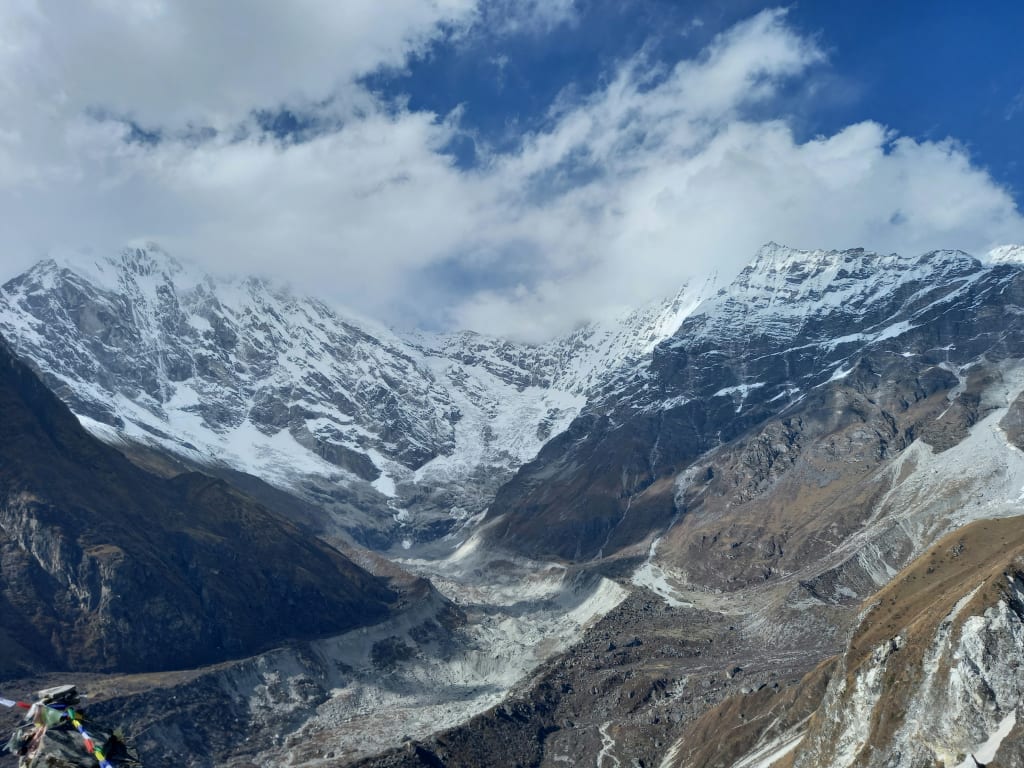
The Langtang Valley trek is one of the most popular trekking routes near Kathmandu, Nepal. Over the years, I’ve done many treks, but this one stands out for its beautiful landscapes, rich culture, and friendly people. One of the most important things to understand before starting this trek is the altitude you will experience along the way. Knowing about the Langtang Valley trek altitude helps you prepare your body and mind for the journey ahead.
In this article, I will explain the key altitudes on this trek, how altitude affects your body, and tips to stay safe and enjoy your time in the mountains.
Starting Point: Kathmandu to Syabrubesi (1,560 meters)
The trek officially begins from Syabrubesi, which is about 6-7 hours’ drive from Kathmandu. Syabrubesi sits at an altitude of roughly 1,560 meters (5,120 feet). This is where most trekkers spend their first night before heading deeper into the valley.
At this altitude, the air is still quite comfortable, and most people feel fine here. It’s a good place to rest and prepare for the higher altitudes ahead.
The Gradual Rise: Trekking from Syabrubesi to Lama Hotel (2,470 meters)
From Syabrubesi, the trail moves steadily upwards through beautiful forests and small villages. By the time you reach Lama Hotel, you will be at about 2,470 meters (8,100 feet).
This section is a great warm-up. Walking at this altitude usually doesn’t cause any problems, but it’s important to go at your own pace. Drinking plenty of water and taking breaks helps your body adjust.
Mid-Trek Altitude: Langtang Village (3,430 meters)
Langtang village is a highlight of the trek and also the highest permanent settlement in the valley. It lies at around 3,430 meters (11,253 feet).
Reaching Langtang village means you are entering the alpine zone where the air becomes thinner. Some trekkers might begin to notice mild effects of altitude here, such as shortness of breath or slight headaches. It’s a good idea to rest for a day in Langtang to acclimatize—let your body adjust to the thinner air.
High Altitude: Kyanjin Gompa (3,870 meters)
Kyanjin Gompa is the popular endpoint for many trekkers on the Langtang Valley trail. It sits at an altitude of about 3,870 meters (12,694 feet).
At this height, the oxygen level is much lower compared to Kathmandu. You will feel the difference when walking and even at rest. Taking it slow and resting often is very important. Some people might experience mild altitude sickness symptoms such as headache, nausea, or dizziness.
Spending a night or two here helps your body adjust. You can also visit the nearby viewpoints or the monastery to make the most of your stay.
Optional High Point: Tserko Ri (4,984 meters)
For those wanting an extra challenge, there is an option to climb Tserko Ri, a peak near Kyanjin Gompa. Tserko Ri is almost 5,000 meters (16,355 feet) high.
Climbing Tserko Ri requires good physical condition and proper acclimatization. The altitude is much higher than the rest of the trek, so the risk of altitude sickness increases. The view from the top is incredible—panoramic views of Langtang Lirung and other Himalayan peaks.
If you plan to climb Tserko Ri, make sure you spend enough days acclimatizing before the ascent.
Understanding Altitude Sickness and Its Risks
One of the most important parts of preparing for the Langtang Valley trek is understanding how altitude affects the body. Altitude sickness happens when you go too high too fast without giving your body time to adjust. Symptoms can range from mild headaches and dizziness to serious conditions like High Altitude Pulmonary Edema (HAPE) or High Altitude Cerebral Edema (HACE), which require immediate medical attention.
To avoid altitude sickness:
Ascend slowly. Don’t rush to reach high points in one day.
Stay hydrated by drinking plenty of water.
Avoid alcohol and smoking during the trek.
Listen to your body. If you feel bad, rest or go down to a lower altitude.
Take rest days at places like Langtang village or Kyanjin Gompa to acclimatize.
How Altitude Affects Your Trek Experience
The higher you go, the thinner the air becomes. This means less oxygen for your body. You will notice your breathing becomes faster, and you may tire more quickly. Simple tasks will feel harder.
However, this is also part of the adventure. Many trekkers enjoy the feeling of walking higher into the mountains and seeing the change in landscapes—from lush forests to rocky alpine terrain.
We took our time and found that pacing ourselves made the trek more enjoyable. We never pushed too hard, which allowed us to enjoy the views and the local culture along the way.
Tips for Preparing for Altitude on the Langtang Trek
Train before you go: Walking, jogging, or hiking before the trip can help build stamina.
Bring the right gear: Warm clothes, good boots, and a sleeping bag rated for cold weather are essential.
Stay hydrated: Drink at least 3-4 liters of water per day.
Eat well: High-energy foods like nuts, chocolate, and fruits help maintain strength.
Go slow: Walk at a steady pace and take regular breaks.
Consider medication: Some trekkers take medicine like Diamox to prevent altitude sickness, but always check with a doctor first.
Final Thoughts on Langtang Valley Trek Altitude
The Langtang Valley trek altitude is one of the reasons this route is both challenging and rewarding. From the comfortable starting point at Syabrubesi to the high alpine environment of Kyanjin Gompa and Tserko Ri, the changing altitudes offer a unique experience.
If you plan your trek carefully, respect the altitude, and listen to your body, the Langtang Valley trek can be a safe and unforgettable adventure. The breathtaking mountain views, warm local culture, and peaceful trails make every step worth it.
I hope this guide helps you understand the altitudes on the Langtang trek and prepares you for an amazing journey into the heart of the Himalayas.
About the Creator
Keep reading
More stories from Rose Jenkins and writers in Journal and other communities.
Is Everest Base Camp Trek Risky?
Every year, thousands of people dream of standing face-to-face with the world’s highest mountain. The Everest Base Camp trek is one of the most popular trekking routes in the world, offering breathtaking views, rich Sherpa culture, and a strong sense of achievement. But many first-time trekkers often ask, "Is the Everest Base Camp trek risky?" It’s a fair question, and one that needs a clear, honest answer.
By Rose Jenkins9 months ago in Journal
Who Really Gets the Credit? The $5.17B Shift
The Sale That No One Truly Owned The customer didn’t convert because of one ad. She saw a sponsored Instagram post on Monday. Read a blog on Wednesday. Watched a product demo on Friday. Clicked a retargeting ad the following week. Then finally searched the brand name and purchased.
By Andrew Hamilton6 days ago in Journal



Comments
There are no comments for this story
Be the first to respond and start the conversation.