
Local Gold, Silver Rates Drop After Declines in International Markets
Global economic signals and currency movements drive precious metal prices lower

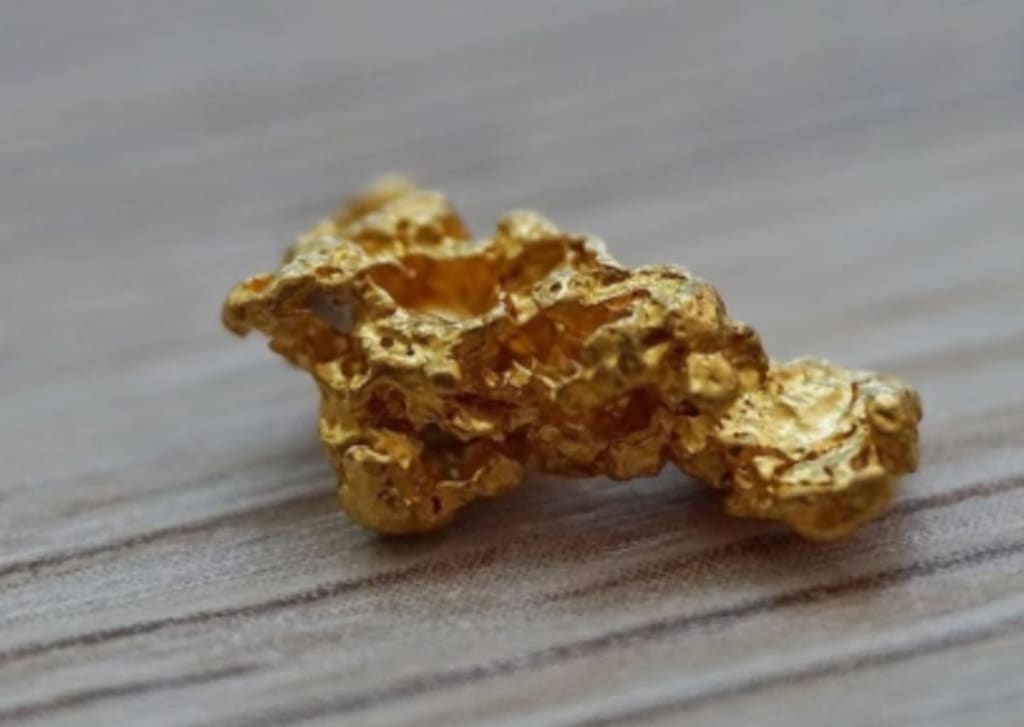
Gold and silver prices in local markets witnessed a noticeable decline this week, mirroring the downward trend seen in international bullion markets. Investors and consumers alike are closely monitoring these fluctuations as global economic signals, currency movements, and shifting expectations about interest rates continue to shape the direction of precious metals.
The drop has come as a surprise to many buyers who expected gold to remain firm amid ongoing geopolitical and economic uncertainties. However, market analysts point out that precious metals are currently under pressure due to a stronger US dollar and easing inflation fears in several major economies.
📉 Global Markets Set the Tone
International gold and silver prices play a critical role in determining local bullion rates. When prices fall on global exchanges, domestic markets almost immediately reflect the change.
According to data tracked by the World Gold Council, gold prices weakened after investors reacted to positive economic data from major economies, especially the United States. Strong employment figures and steady consumer spending have reduced fears of an imminent recession, making riskier assets like equities more attractive compared to safe-haven investments such as gold.
Silver, which has both industrial and investment demand, also faced downward pressure. A slowdown in manufacturing activity in parts of Asia and Europe dampened expectations for industrial consumption, contributing to the price drop.
💱 The Role of the US Dollar and Interest Rates
One of the main reasons behind the decline in precious metal prices is the strengthening of the US dollar. Gold and silver are typically priced in dollars, and when the dollar gains value, it becomes more expensive for buyers using other currencies. This reduces demand and pushes prices lower.
In addition, speculation around future interest rate policies by the Federal Reserve has played a major role in recent price movements. When interest rates are expected to remain high or increase further, investors often move funds away from non-interest-bearing assets like gold and silver and toward bonds or savings instruments that offer returns.
Recent statements from Federal Reserve officials suggesting that inflation is coming under control have reinforced the belief that aggressive monetary tightening may soon slow. This optimism has shifted market sentiment and weakened demand for traditional safe-haven assets.
🏪 Impact on Local Markets
The effect of these international trends was quickly felt in local bullion markets. Gold rates per gram dropped across major cities, while silver prices recorded similar declines. Jewelers and bullion traders reported lighter trading volumes as many buyers chose to wait for further price stabilization before making purchases.
For consumers, especially those planning weddings or festive shopping, the price drop offers a short-term opportunity to buy gold jewelry at relatively lower rates. However, traders caution that prices may remain volatile in the coming days depending on fresh economic data and currency movements.
Local dealers also note that import duties and taxes continue to influence domestic prices, sometimes cushioning or amplifying international market movements.
🏭 Silver’s Dual Challenge: Investment and Industry
Unlike gold, which is mainly driven by investment demand, silver has a strong industrial component. It is widely used in electronics, solar panels, and medical equipment. Any slowdown in global manufacturing directly impacts silver prices.
Recent concerns about reduced industrial output in parts of Europe and China have lowered expectations for silver demand. This has added further pressure on prices, even as some investors continue to view silver as an affordable alternative to gold.
Market analysts believe that silver’s performance in the coming months will depend heavily on industrial recovery and the pace of global economic growth.
📊 Investor Sentiment Shifts
Precious metals are traditionally considered safe-haven assets during times of crisis. However, when markets appear stable and economic indicators show resilience, investors often shift toward stocks and other growth-oriented assets.
With global equity markets showing renewed strength, the appetite for gold and silver has weakened. Exchange-traded funds (ETFs) backed by gold have also recorded minor outflows, reflecting reduced investor interest.
Still, experts caution that gold’s long-term appeal remains intact. Inflation risks, geopolitical tensions, and currency instability can quickly revive demand for precious metals if conditions change.
🔍 What This Means for Buyers and Traders
For retail buyers, the recent dip in prices could be a strategic opportunity. Financial advisors often recommend purchasing gold during price corrections rather than during sharp rallies. Long-term investors who see gold as a hedge against inflation may find current levels attractive.
Jewelry manufacturers may also benefit from lower raw material costs, which could translate into competitive pricing during upcoming festive seasons.
However, short-term traders should remain cautious. Market volatility is expected to persist as investors await new data on inflation, interest rates, and global economic performance.
🌍 Looking Ahead
The direction of gold and silver prices in the near future will depend largely on three key factors:
US Dollar Strength: Any further appreciation could push precious metal prices lower.
Interest Rate Decisions: Policy updates from central banks, particularly the Federal Reserve, will influence investor behavior.
Global Economic Growth: Industrial demand, especially for silver, will hinge on manufacturing recovery and technological expansion.
If inflation resurges or geopolitical tensions escalate, gold may regain its status as a preferred safe-haven asset. Until then, markets are likely to remain cautious and sensitive to every new economic signal.
✨ Conclusion
The recent drop in local gold and silver rates reflects broader declines in international markets driven by currency strength, shifting interest rate expectations, and changing investor sentiment. While this downturn may concern traders, it also presents opportunities for consumers and long-term investors.
As global markets continue to respond to economic data and central bank policies, precious metal prices are expected to remain dynamic. Whether this decline proves temporary or marks a longer trend will depend on how the global economy evolves in the coming weeks.
For now, buyers, sellers, and investors alike are keeping a close watch on international developments — knowing that in today’s interconnected world, even distant financial decisions can quickly influence local gold and silver prices.
About the Creator
Sajida Sikandar
Hi, I’m Sajida Sikandar, a passionate blogger with 3 years of experience in crafting engaging and insightful content. Join me as I share my thoughts, stories, and ideas on a variety of topics that matter to you.
Keep reading
More stories from Sajida Sikandar and writers in Journal and other communities.
Gold Rate Today (February 15, 2026): Yellow Metal Down Nearly Rs 24,500 From Peak; Check Prices Of 24K, 22K & 18K In Delhi, Mumbai, Chennai, Bangalore, Hyderabad & Other Major Cities
Gold has always held a special place in Indian households — not just as an investment, but as a symbol of security, culture, and prosperity. However, on February 15, 2026, the yellow metal is making headlines for a different reason. After reaching record-breaking highs earlier this year, gold prices have corrected sharply, falling by nearly Rs 24,500 from their peak levels.
By Sajida Sikandarabout 9 hours ago in Journal



Comments
There are no comments for this story
Be the first to respond and start the conversation.