
Supreme Court to Weigh Oil-Industry Effort to End a Major Climate Suit
A Landmark Legal Battle Could Shape Corporate Climate Accountability in the United States
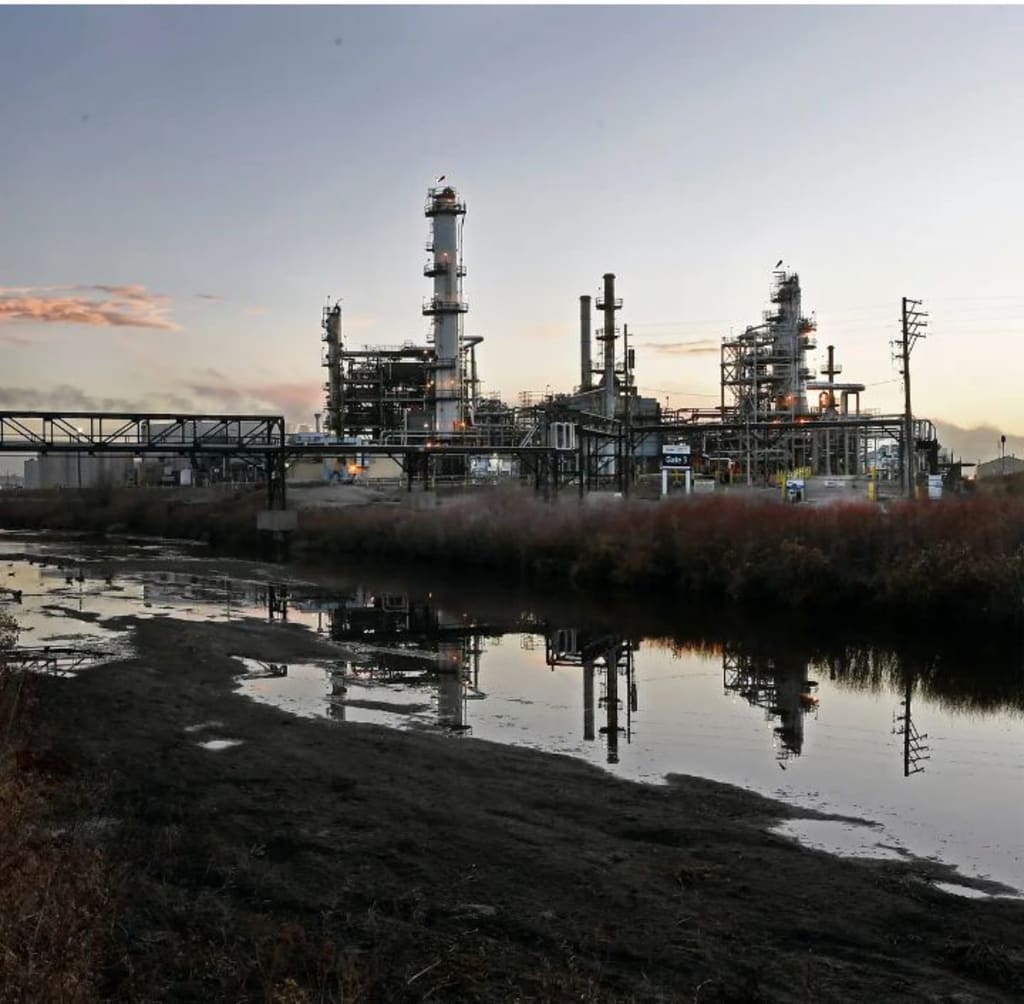
A major climate lawsuit targeting the fossil-fuel industry is headed toward a pivotal moment as the Supreme Court of the United States prepares to consider whether the case can move forward. The decision could redefine how corporations are held accountable for environmental damage and influence future climate litigation across the country.
At the heart of the dispute is a growing wave of lawsuits filed by cities, states, and local governments that accuse oil companies of contributing to climate change while misleading the public about the risks associated with fossil fuels. Industry groups argue such cases overstep legal boundaries and should be dismissed or handled under federal law rather than state courts.
The Supreme Court’s involvement signals that the debate over climate responsibility has moved firmly into the nation’s highest legal arena.
The Lawsuit and Its Stakes
The case centers on claims that major oil producers knowingly contributed to greenhouse gas emissions while promoting fossil fuel use and downplaying climate risks. Local governments say they are now facing rising costs from extreme weather, infrastructure damage, and public health impacts.
Municipalities argue they should be able to seek compensation for adaptation measures such as flood defenses, heat mitigation, and emergency preparedness. Industry lawyers counter that climate change is a global policy issue best handled by lawmakers, not courts.
If the Supreme Court sides with the oil industry, many similar lawsuits could be weakened or dismissed. If the justices allow the case to proceed, it may open the door to expanded corporate liability.
Why Oil Companies Want the Case Ended
Energy companies — including firms such as ExxonMobil, Chevron, and BP — argue that climate litigation threatens to create inconsistent rulings across states. They say federal agencies and Congress, rather than individual courts, should set climate policy.
Industry representatives also claim that energy production has long been regulated and that companies cannot be held legally responsible for global emissions produced by millions of consumers.
Another key argument involves jurisdiction. Oil companies want these cases moved to federal courts, where they believe broader constitutional and regulatory considerations could lead to dismissal.
The Growing Trend of Climate Litigation
Climate lawsuits have expanded rapidly over the past decade. Local governments increasingly frame climate change not just as an environmental issue but as a financial burden. Rising sea levels, stronger storms, wildfires, and heat waves have pushed cities to seek compensation for adaptation costs.
Some of the most prominent cases have been filed by coastal and urban areas, including New York City, which previously pursued claims against fossil-fuel companies over climate damages.
While early lawsuits faced setbacks, more recent cases have survived procedural challenges, keeping the question of corporate responsibility alive.
Legal experts say the Supreme Court’s decision could determine whether this strategy continues.
Key Legal Questions Before the Court
The justices are expected to weigh several critical issues:
Jurisdiction: Should climate liability claims be heard in state or federal courts?
Corporate responsibility: Can companies be held liable for contributing to global climate impacts?
Policy vs. law: Do such lawsuits interfere with federal energy and environmental policy?
The answers could reshape environmental law. A ruling limiting these cases may slow the climate litigation movement, while a decision allowing them to proceed could encourage more governments to file suits.
Industry Concerns About Precedent
Energy companies worry that successful lawsuits could lead to massive financial exposure. Compensation claims could involve billions of dollars for infrastructure upgrades, disaster recovery, and long-term climate adaptation.
There is also concern about precedent. If courts determine companies misled the public about climate science, the decision could affect corporate disclosure requirements across industries.
Business groups argue that retroactive liability for decades-old emissions would create uncertainty for investors and energy markets.
Environmental Advocates See Accountability
Environmental organizations view the lawsuits as a tool for accountability rather than policy-making. They argue that litigation has historically played a role in addressing public harms — from tobacco to pollution — when regulatory action lagged.
Supporters say internal industry research from past decades suggested companies were aware of climate risks earlier than publicly acknowledged. They contend courts should examine whether that knowledge was misrepresented.
For climate advocates, the Supreme Court case represents more than a procedural dispute — it is a test of whether corporations can be held financially responsible for environmental consequences.
Potential Economic and Political Impact
The case arrives at a time of intense debate over energy transition. Governments are balancing climate goals with economic realities, including energy affordability and security.
A ruling that allows climate suits to proceed could accelerate pressure on fossil-fuel companies to shift investments toward renewable energy. It could also influence insurance markets, infrastructure planning, and corporate risk assessments.
Politically, the decision may deepen divisions between states pursuing aggressive climate action and those focused on protecting traditional energy industries.
What Happens Next
The Supreme Court is expected to review arguments related primarily to legal procedure rather than the science of climate change itself. However, procedural rulings can have sweeping consequences by determining whether cases ever reach trial.
If the justices allow the lawsuit to continue, lower courts will examine evidence, corporate conduct, and damages claims. If the Court sides with the oil industry, the litigation pathway could narrow significantly.
Either way, the decision will shape the future of climate accountability in the United States.
Conclusion
The Supreme Court’s decision on the oil industry’s effort to end a major climate suit marks a critical intersection of environmental policy, corporate responsibility, and constitutional law. The outcome could determine whether courts become a central arena for climate disputes or whether such battles remain primarily in the political sphere.
As communities grapple with the costs of a warming world, the question at the center of this case remains profound: who should bear the financial burden of climate change?
The answer — now resting with the nation’s highest court — may influence environmental litigation, corporate behavior, and climate policy for decades to come.



Comments
There are no comments for this story
Be the first to respond and start the conversation.