
The Future of Protein Powder Packaging: Balancing Sustainability and Functionality
Exploring eco-friendly solutions for health and wellness products

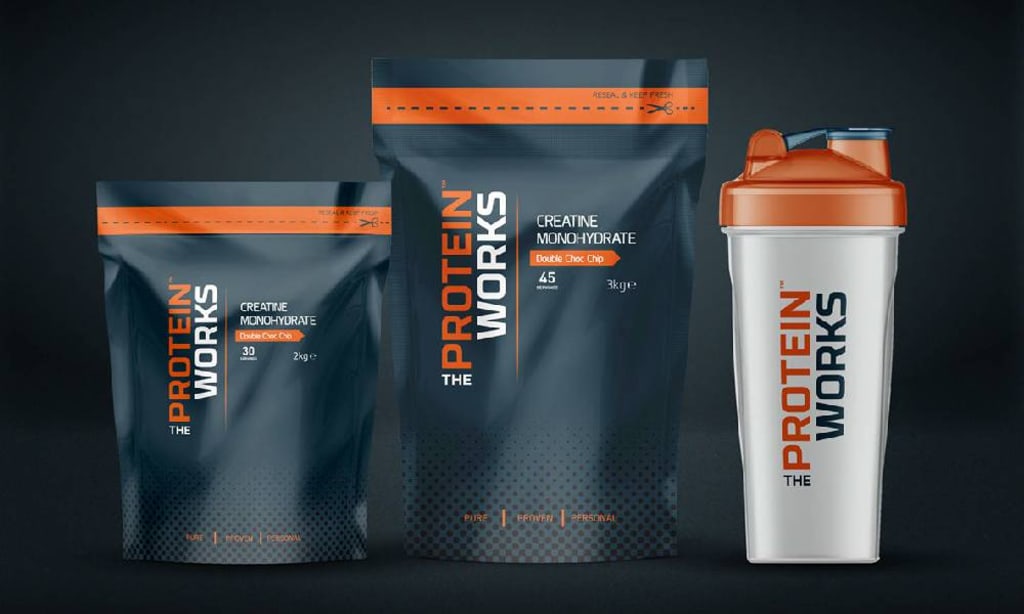
In today’s health-conscious world, protein powders have become a household staple. Whether for fitness enthusiasts, athletes, or those supplementing their daily diet, the demand for protein powders continues to grow. With this rising demand comes an important question: how do we package these products in a way that preserves their quality, enhances convenience, and supports environmental responsibility?
This article explores the landscape of protein powder packaging, the growing shift toward eco-friendly materials such as recyclable protein powder packaging and biodegradable bags, and how modern solutions—including custom biodegradable bags—are reshaping consumer choices.
Why Protein Powder Packaging Matters
Packaging is not just a container; it’s a crucial element that impacts product shelf life, consumer trust, and sustainability. For protein powders, packaging must address several unique challenges:
Protection from moisture and oxygen: Protein powders are sensitive to environmental exposure, which can lead to clumping or reduced nutritional quality.
Portion control and usability: Resealable designs such as stand-up pouches and zip-lock bags make it easier for consumers to use the product daily.
Environmental concerns: As consumer awareness grows, there’s increasing pressure on brands to shift from single-use plastics to recyclable protein powder packaging.
This shift has given rise to new designs such as protein powder packaging bags that balance product safety with eco-consciousness.
Common Types of Protein Powder Packaging
1. Plastic Tubs and Jars
For decades, plastic tubs have been the industry standard. They are sturdy, protect against damage, and provide ample surface area for branding. However, they come with a high environmental footprint and limited recyclability.
2. Sachets and Single-Serve Packets
Ideal for convenience and portability, sachets allow consumers to carry single servings on the go. The downside is that most sachets are multi-layered plastics, making them difficult to recycle.
3. Protein Powder Packaging Bags
Increasingly, brands are turning to flexible packaging solutions such as stand-up pouches. These are lighter, require fewer raw materials, and can be designed using recyclable protein powder packaging materials. Not only do they save space during shipping, but they also reduce carbon emissions in the supply chain.
The Rise of Recyclable Packaging in the Health Industry
Environmental concerns have made recyclability a top priority. Consumers are demanding solutions that not only protect the product but also reduce waste.
Recyclable protein powder packaging offers a pathway forward. By using mono-material films and eco-conscious polymers, these packaging formats ensure that bags can be reprocessed into new materials rather than ending up in landfills. Companies like BowePack have pioneered solutions in this space, creating pouches that align with global recycling standards while maintaining the strength and barrier protection required for protein powders.
Understanding Biodegradable Bags
While recyclability is one solution, biodegradability takes eco-friendly design a step further. According to Wikipedia’s definition of biodegradable bags, these are bags that can be broken down by microorganisms into natural elements such as water, carbon dioxide, and biomass under certain conditions.
Unlike conventional plastics that may persist for hundreds of years, biodegradable bags are designed to reduce long-term environmental damage. For protein powders, this means the possibility of packaging that not only protects the product but also leaves a lighter footprint once disposed of.
Custom Biodegradable Bags: A Tailored Solution
Sustainability doesn’t have to come at the expense of branding or functionality. BowePack and similar manufacturers are offering custom biodegradable bags that allow brands to design packaging aligned with their identity while meeting eco-conscious goals.
These bags can be produced with unique sizes, colors, resealable features, and high-quality prints. Importantly, they combine branding needs with the functionality of moisture-proof, odor-resistant, and user-friendly designs.
Consumer Attitudes Toward Sustainable Packaging
Recent surveys show that consumers are more likely to purchase from brands that align with their environmental values. Particularly in the health and wellness sector, packaging plays a symbolic role in reinforcing brand identity.
A recyclable or biodegradable bag communicates a company’s commitment to sustainability. In fact, many consumers report being willing to pay a slight premium for products packaged in eco-friendly ways, provided the quality and safety remain uncompromised.
Challenges in Implementing Sustainable Packaging
While the move toward sustainable packaging is promising, it is not without challenges:
Cost: Materials like compostable films or biodegradable polymers can be more expensive than conventional plastics.
Infrastructure: For biodegradable materials to properly break down, they often require industrial composting facilities, which are not available everywhere.
Durability: Maintaining the same level of protection against moisture, oxygen, and light can be more complex when using biodegradable materials.
Despite these hurdles, innovation continues to drive progress in the packaging industry.
Innovations in Protein Powder Packaging
The future of protein powder packaging is being shaped by technological advances. A few notable innovations include:
- Edible packaging films that dissolve in water, reducing waste altogether.
- Smart packaging technologies that include QR codes to provide sustainability information and recycling instructions.
- Hybrid solutions combining biodegradable materials with recyclable liners to balance durability and environmental performance.
The Global Perspective on Biodegradable Packaging
Different regions are adopting varying approaches. Europe, for instance, has stricter regulations on single-use plastics, pushing companies to adopt biodegradable bags faster. In contrast, North America has a growing but more voluntary shift, led by consumer preference.
Meanwhile, Asia is rapidly innovating, driven by both government mandates and the sheer scale of consumption. These global trends highlight the inevitability of sustainable packaging becoming the new standard in the health and wellness market.
Protein Powder Packaging and the Circular Economy
A circular economy aims to design out waste, keep products and materials in use, and regenerate natural systems. Recyclable protein powder packaging directly supports this vision by ensuring that materials can be recovered and reused.
Biodegradable alternatives also contribute by ensuring that, at the end of their life cycle, packaging materials return to the earth without leaving behind harmful residues. Both strategies are essential to building a sustainable packaging ecosystem.
Looking Ahead: Choosing the Right Packaging Path
For brands and consumers alike, the question is not whether to adopt sustainable packaging but which path to take.
- Recyclable packaging is often the most practical option in areas with strong recycling infrastructure.
- Biodegradable packaging provides an alternative where waste management systems can support its breakdown.
- Custom biodegradable bags allow for balancing branding needs with eco-conscious commitments.
As the demand for health products like protein powders grows, aligning packaging choices with environmental values will remain central to long-term success.
Conclusion
The future of protein powder packaging is not only about preserving product quality but also about protecting the planet. From innovative protein powder packaging bags to recyclable protein powder packaging and biodegradable bags, the industry is moving steadily toward greener solutions.
By embracing options like custom biodegradable bags, brands can meet both consumer expectations and environmental responsibilities. In the end, sustainable packaging is no longer a luxury but a necessity—ensuring that the products fueling healthier lives also contribute to a healthier planet.
About the Creator
Keep reading
More stories from charliesamuel and writers in Journal and other communities.
Retort Pouch Packaging: A Modern Solution for Food Preservation
Introduction In today’s fast-paced world, food safety, preservation, and sustainability have become top priorities for both manufacturers and consumers. Packaging is at the center of this evolution, with innovative solutions like retort pouch packaging playing a pivotal role. Unlike traditional cans and glass jars, retort pouches are lightweight, flexible, and efficient, making them an attractive option for food and beverage companies worldwide. As industries move toward reducing their environmental impact, the rise of eco-friendly alternatives, such as products from a recyclable pouches manufacturer, is reshaping the packaging sector. At the same time, educational resources, such as the history and overview of plastic bags, provide context for understanding why the demand for custom recyclable pouches continues to grow. This article explores the technology, benefits, and sustainability implications of retort pouch packaging while shedding light on the role of suppliers and manufacturers in this evolving market.
By charliesamuel5 months ago in Journal
~ Fired ~
— Ai Intrusion ~ Are you Next ~ Is Ai Evolution after your job? — Few workplaces haven't been affected. Ai is in supermarkets, at doctors' offices, and even monitoring farms. I just can't think of anything this machine is not getting into, can you? For instance: Education ~ Law and Tech jobs will one day have a major influence or be taken over by these inanimate machines, with accuracy and vigor. From mechanics' diagnoses to a wide variety of everyday jobs, including fast food workers, with this input having the ability to cut their unnecessary work hours. I'm certain all of us have been touched by this with our short stories and colorful headings, have you? Even comments are very questionable 'Non-Robot' insertions.
By Jay Kantor8 days ago in Journal


Comments
There are no comments for this story
Be the first to respond and start the conversation.