
The Hidden Boom Behind Every Touch Unlock
How the fingerprint sensors market is reshaping security, identity, and the future of human-device trust
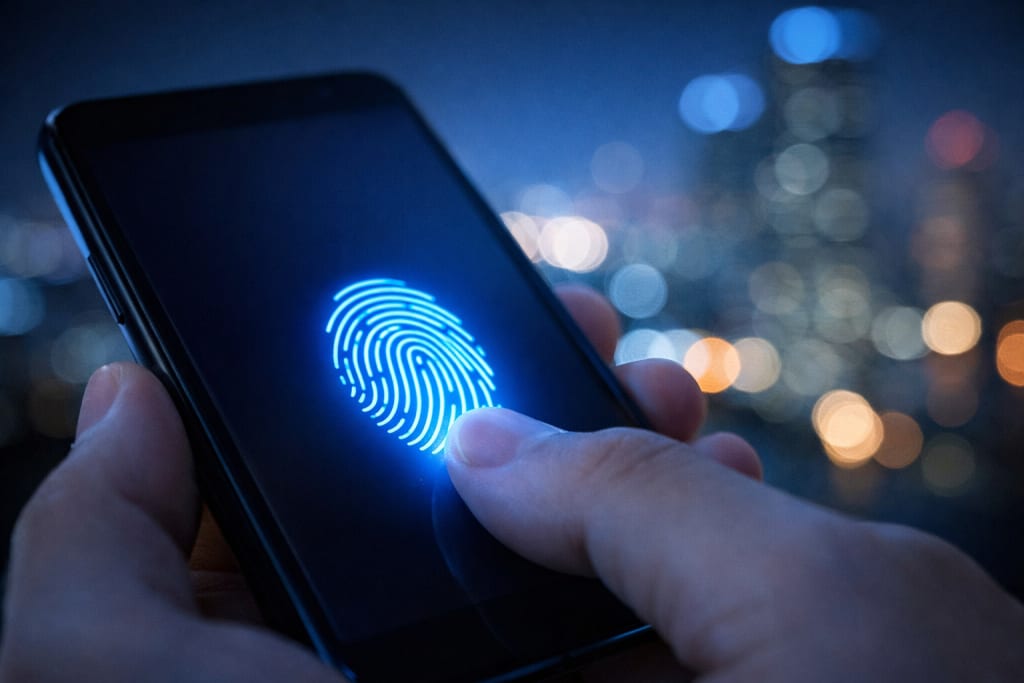
The door doesn’t click. The password isn’t typed. There’s no key in sight.
Instead, a thumb presses gently against glass — and the world opens.
In that quiet half-second, a silent global industry moves billions of dollars, protects identities, powers payments, and decides who gets access to what. The fingerprint sensors market is no longer just about unlocking phones. It’s about trust — in banks, borders, workplaces, and entire digital ecosystems.
And its growth is anything but subtle.
According to Mordor Intelligence, the fingerprint sensors market was valued at USD 10.68 billion in 2025 and is estimated to grow from USD 11.94 billion in 2026 to reach USD 20.79 billion by 2031, registering a CAGR of 11.74% during 2026–2031. That single data point tells a story bigger than consumer electronics. It signals a global shift in how identity itself is verified.
If you’ve ever searched:
- How big is the fingerprint sensors market?
- What is the fingerprint sensors market forecast?
- Why is biometric authentication growing so fast?
- What are the latest fingerprint sensors market trends?
- You’re already part of the narrative.
The Quiet Revolution in Your Pocket
Every time you tap your phone to pay for coffee or unlock a banking app, you participate in the fingerprint sensors industry — often without realizing it.
The fingerprint sensors market size reflects a world that increasingly distrusts passwords. Password fatigue is real. Data breaches are constant. And multi-factor authentication is becoming a necessity rather than an option.
This is where fingerprint authentication shines.
Check out more details and stay updated with the latest industry trends, including the Japanese version for localized insights: https://www.mordorintelligence.com/ja/industry-reports/global-fingerprint-sensor-market?utm_source=vocal.media
Unlike passwords, fingerprints:
- Cannot be forgotten
- Cannot be easily shared
- Provide frictionless security
- Integrate seamlessly into compact devices
The fingerprint sensors market growth is tied directly to this frictionless trust. Smartphones may have popularized biometric authentication, but adoption has expanded into laptops, smart cards, door access systems, automotive systems, and financial terminals.
The market’s projected jump from USD 11.94 billion in 2026 to USD 20.79 billion by 2031 reflects more than device upgrades. It reflects the normalization of biometrics in everyday life.
For deeper data context, the full analysis is available in the detailed report on the fingerprint sensors market
Beyond Smartphones: Where Growth Is Really Happening
When most people think of fingerprint sensors, they picture smartphones. But the fingerprint sensors industry is diversifying fast.
1. Financial Services
Banking apps increasingly rely on biometric login. As digital wallets expand, fingerprint authentication has become a default security layer.
2. Government & Identity Programs
National ID systems, border control checkpoints, and citizen verification programs rely heavily on fingerprint recognition for secure enrollment and validation.
3. Workplace Security
Corporate campuses are moving toward biometric access control instead of swipe cards that can be lost or duplicated.
4. Consumer Electronics Expansion
Laptops, tablets, and even smart home devices now integrate fingerprint authentication to improve user convenience and security.
These use cases are shaping fingerprint sensors market trends that extend well beyond handset shipments. The industry’s momentum is ecosystem-driven — not product-driven.
The fingerprint sensors market share distribution across application segments is gradually broadening as biometric integration becomes a baseline feature rather than a premium upgrade.
Why the Double-Digit CAGR Matters
A CAGR of 11.74% is not incremental — it signals structural transformation.
The fingerprint sensors market forecast through 2031 reflects:
- Increasing digitization of services
- Growing cybersecurity threats
- Consumer preference for convenience
- Integration of biometrics into IoT ecosystems
Regulatory compliance requirements for secure authentication
In simple terms: the world is becoming password-averse.
Search queries like:
Is biometric authentication safer than passwords?
Future of fingerprint recognition technology
Fingerprint sensors market growth drivers
Biometric security industry outlook 2031
…are gaining visibility because individuals and institutions alike are seeking alternatives to traditional credentials.
The fingerprint sensors market size nearly doubling between 2025 and 2031 underscores a deeper reality — identity is now a digital infrastructure layer.
The Human Side of Biometrics
There’s a psychological element to this story.
When you use your fingerprint, you’re offering something uniquely human — a physical signature tied to your identity since birth. It feels intuitive. Natural. Effortless.
This emotional convenience drives adoption faster than technical specifications ever could.
But with growth comes complexity.
As fingerprint sensors market trends evolve, conversations around privacy, data storage, encryption, and decentralized identity frameworks intensify. Consumers are asking:
Where is my biometric data stored?
Is my fingerprint saved locally or in the cloud?
What happens if biometric data is compromised?
These concerns don’t slow the fingerprint sensors market growth — they shape its next phase.
Security architecture improvements and localized biometric processing are becoming core design priorities within the fingerprint sensors industry.
A Market Built on Invisible Trust
The most powerful technologies are often the least visible.
The fingerprint sensors market operates in the background — embedded under screens, hidden in buttons, integrated within chipsets. Yet its impact touches daily life more intimately than many trillion-dollar industries.
From unlocking bank accounts to crossing borders, fingerprint authentication is no longer futuristic — it is foundational.
The projected rise to USD 20.79 billion by 2031 reflects a world designing systems around human identity instead of memorized codes.
And this shift feels irreversible.
As AI systems expand, digital services multiply, and remote verification becomes standard, biometric authentication becomes the bridge between human presence and machine trust.
The fingerprint sensors market share may fluctuate among vendors, but the long-term trajectory appears anchored in global digitization.
The Bigger Question
In five years, will we even remember passwords?
Or will biometric authentication — fingerprints, facial scans, behavioral biometrics — define the new baseline of trust?
The fingerprint sensors market forecast suggests that fingerprint recognition remains central to this transition. It is familiar. Mature. Accepted. And scalable.
But technology never stands still.
So here’s the question for you:
As we embed our identities into devices and systems worldwide, are we building a safer digital world — or simply a more convenient one?
What role do you think biometric authentication should play in the future of security?
About the Creator
Keep reading
More stories from Andrew Hamilton and writers in Journal and other communities.
The $13.92B Enterprise Factory Intelligence Boom
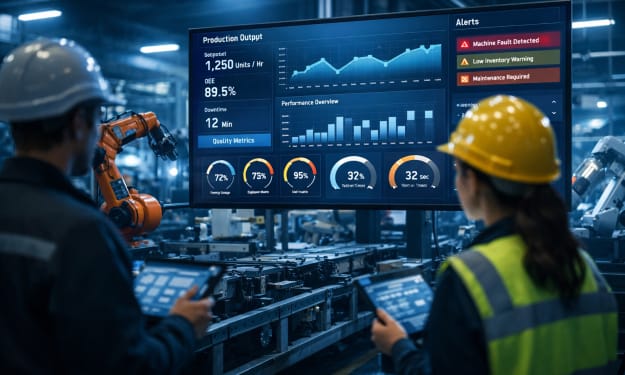
The factory floor used to be loud, mechanical, and predictable. Now it’s intelligent. Machines no longer just move — they speak. Sensors whisper data. Dashboards pulse with real-time insights. And somewhere between the conveyor belt and the cloud, a silent revolution is unfolding.
By Andrew Hamilton2 days ago in Journal
~ Fired ~
— Ai Intrusion ~ Are you Next ~ Is Ai Evolution after your job? — Few workplaces haven't been affected. Ai is in supermarkets, at doctors' offices, and even monitoring farms. I just can't think of anything this machine is not getting into, can you? For instance: Education ~ Law and Tech jobs will one day have a major influence or be taken over by these inanimate machines, with accuracy and vigor. From mechanics' diagnoses to a wide variety of everyday jobs, including fast food workers, with this input having the ability to cut their unnecessary work hours. I'm certain all of us have been touched by this with our short stories and colorful headings, have you? Even comments are very questionable 'Non-Robot' insertions.
By Jay Kantor17 days ago in Journal
The Complete Guide to Developing a Marketing Budget for a Growing Drug Rehab Facility
Introduction to Strategic Marketing in the Behavioral Health Sector Marketing a growing drug rehabilitation facility demands far more than promotional enthusiasm. It requires a disciplined fiscal architecture, strategic foresight, and a nuanced understanding of the behavioral health ecosystem. As the prevalence of substance use disorders continues to challenge communities worldwide, facilities must balance ethical responsibility with competitive positioning.
By Fida Hassain2 days ago in Journal


Comments
There are no comments for this story
Be the first to respond and start the conversation.