Lifehack logo

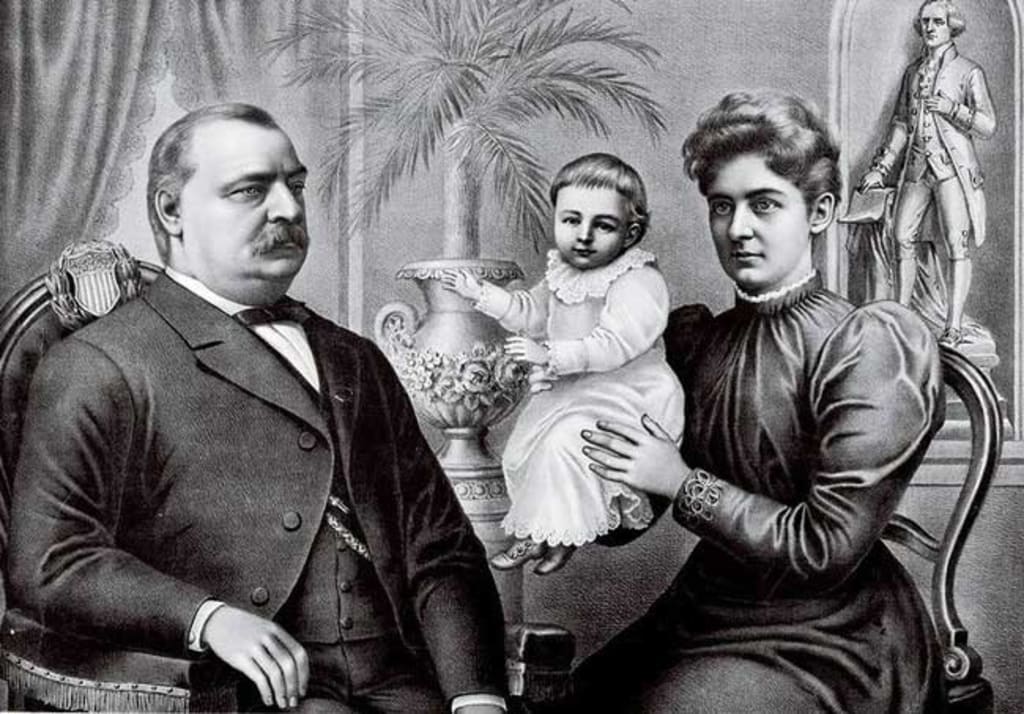
Diphtheria was once a "nightmare" for humanity when it took the lives of hundreds of thousands of children.

Diphtheria was once a nightmare for most doctors, helpless to watch children die.

By Hoàn TrầnPublished 2 years ago 6 min read

Diphtheria was once a nightmare for most doctors, helpless to watch children die.

Even Noah Webster, who is called "the father of American learning and education" or the master of words, did not know what words to use to describe the dangers of diphtheria. His pen began to write about this disease in a famous book, A Brief History of Diphtheria, which everyone who read it found terrifying...

"Evil god" takes the lives of hundreds of thousands of children
In May 1735, on a cold, wet day, a disease broke out in a town in New Hampshire, America. At that time, people called it " Care's disease of the throat" - a malignant disease with an extremely high mortality rate. It weakened the whole body, swollen the throat and caused pain.

The disease gradually spread to the South, taking the lives of many children across the country. The pain of many families at that time was immeasurable, with countless parents losing 3-4 children, or even all of them.

Many families, from rich to poor, share the pain of losing a child to diphtheria.
In 1821, a French doctor, Pierre Bretonneau , named the disease diphtérite . He used the Greek word diphthera, which means a patch of skin that appears in the patient's throat, making it difficult to breathe and swallow. Children's airways are relatively small, so if they get this disease, they will not be able to breathe and will gradually die in pain.

Throughout the 18th and 19th centuries, diphtheria became a nightmare for most doctors, who were helpless to watch their children die. It brought terror to those of all ages. Queen Victoria’s daughter, Princess Alice, died of diphtheria in 1878 at the age of 35. Five of Alice’s children were also affected, along with her husband, the Grand Duke of Hesse-Darmstadt.

Today, we have some understanding of how the disease spreads through droplets, or through coughing, sneezing... But in the past, no one knew the real cause, making diphtheria a pandemic for centuries.

Diphtheria was so feared that it was reported that many children would not live past the age of 10. So many families raised their children with real worry and prayed that their children would always be healthy.

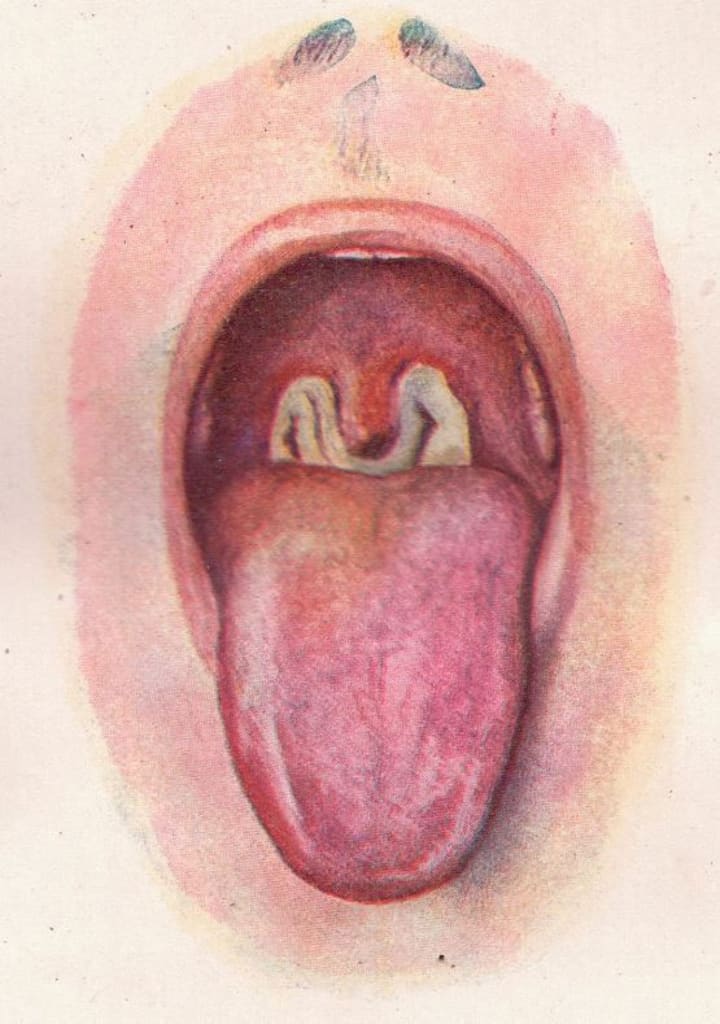
An illustration from the 1913 book The Practical Guide to Health intended to show parents that a gray patch in the throat could be a sign of diphtheria.

Diphtheria, the pain of both doctors and patients
Many books or autobiographies of doctors and experts around the world mention diphtheria. Émile Roux, who was once an assistant to Louis Pasteur, confided: "In the pediatric departments of every hospital, there are the painful cries of children. They cough, wheeze, can't breathe... just looking at them, you can guess that they will have a hard time surviving."

In January 1860, at a meeting of the New York Medical Academy (USA), Abraham Jacobi , who is considered the father of American pediatrics , reported that he had seen 122 children with diphtheria at the Canal Street Clinic. At that time, only he had a profound vision, while other doctors were completely unaware.

Since then, he has been researching and trying to find ways to save children with diphtheria. Unfortunately, almost 200 times he tried to open the trachea by operating on the throat, to help the patient breathe easier, all failed.

Later, Mr. Jacobi got married and had a son and a daughter. However, both of their children contracted diphtheria. Anyone who saw them thought that the couple had brought the disease from outside to their children. The daughter was lucky to overcome the disease, but the son passed away at the age of 7…

The Jacobi family's son, Ernst Jacobi, died at the age of seven from diphtheria.

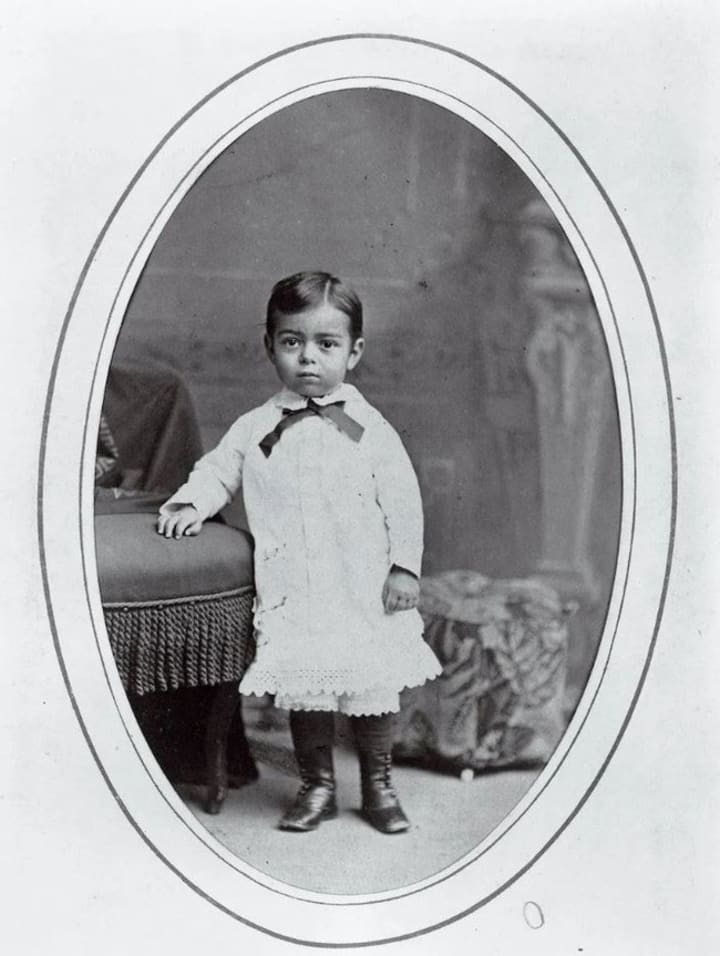
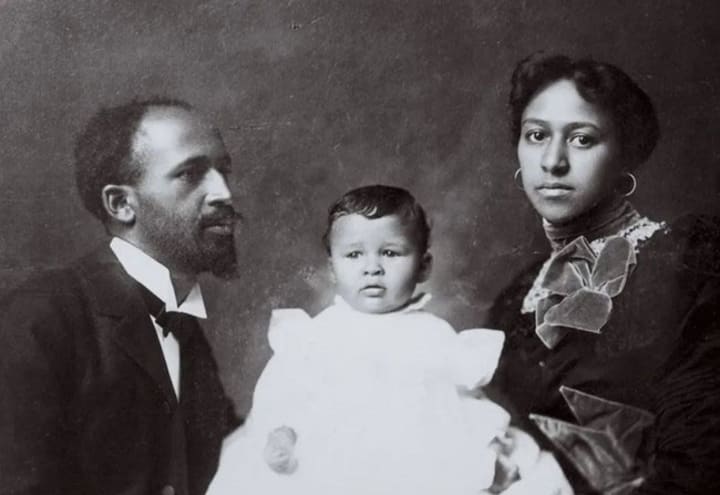
Du Bois , the first African-American historian to earn a Ph.D. from Harvard, left Philadelphia in 1897 to take up academic work in Atlanta. In 1899, his 2-year-old son, Burghardt, contracted symptoms of diphtheria.

In Du Bois's book The Souls of Black Folk, he wrote about the death of his child. "And then one night, little tired feet trod across the little white bed, little trembling hands, warm flushed face pressed against the pillow, and we knew the child was sick," he wrote. "There he lay for ten days, a week gone quickly and three endless days, withering, withering away."

Historian Du Bois's son also died young of diphtheria

Unity - the factor that creates survival strength

It was not until the late 19th century, when the epidemic was raging, that scientists from all over the world collaborated and joined hands to research to determine the source of this disease. Eventually, they identified the type of bacteria that caused the disease, then named and described it in more detail.

In 1883, a Prussian researcher named Edwin Klebs found a type of bacteria lurking in skin tissue, called pseudomembranous coliform , that could block a patient's airway – the leading cause of millions of deaths from diphtheria.

Diphtheria bacteria

Image of diphtheria bacteria under microscope.
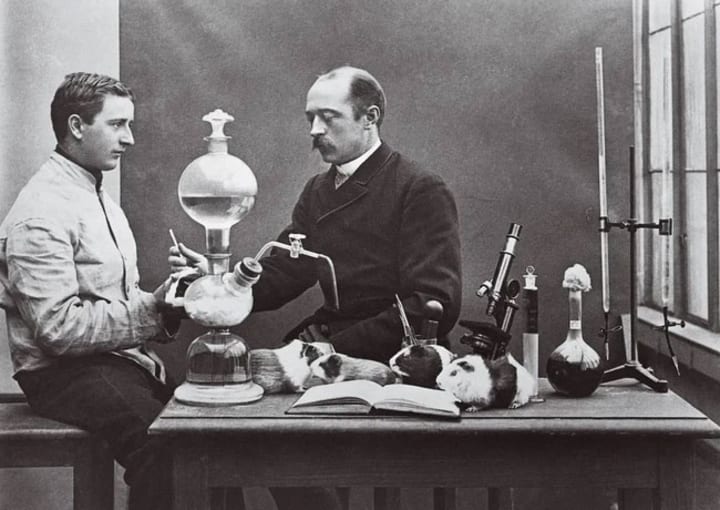
Then, in 1888, Roux and Alexandre Yersin, medical doctors at the Pasteur Institute in Paris, took another big step forward when they showed that a substance secreted by bacteria was the specific culprit.

Another important step in the fight against diphtheria was made by the bacteriologist duo Behring and Shibasaburo Kitasato. After much research and analysis, they created a serum that could fight the disease in humans. They eventually won the Nobel Prize in Medicine in 1901 for this discovery.

Thanks to that, Roux and two other colleagues were able to research and produce large quantities of similar serum, instead of taking a long time as before. Experimenting on 448 children with diphtheria, only 109 children died, the survival rate increased significantly.

Emil von Behring (right) created a large quantity of serum, saving the lives of thousands of children later.

Roux presented these results at the International Congress of Hygiene and Demography in Budapest in 1894. An American physician later wrote that he had never seen "such a thunderous applause from the scientific audience... Hats were thrown to the ceiling, the whole audience rose and shouted cheers in every language of the world" .

Since then, deaths from diphtheria have declined dramatically in areas where serum was available, or where modern medical infrastructure was available. With funding from the American Red Cross, followed by generous support from the Metropolitan Life Insurance Company, diphtheria vaccination has become universal.

The Centers for Disease Control and Prevention (CDC) recommends that children get the DTaP vaccine at 2, 4, 6, and 15 months of age, and then again at ages 4 through 6. WHO makes similar recommendations to the CDC, and officials in most countries urge parents to get their children vaccinated.

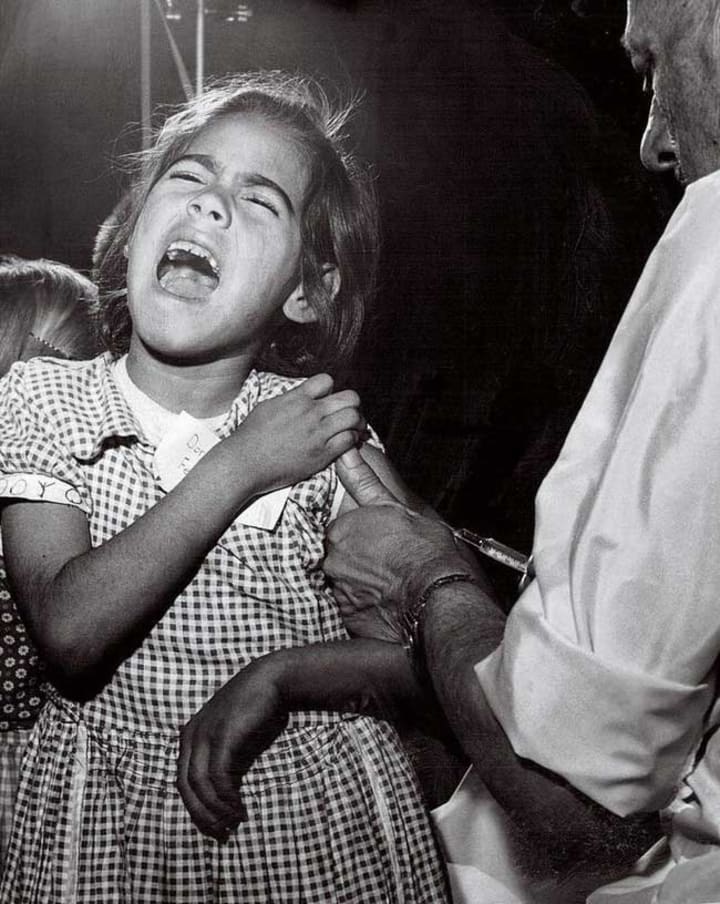
Vaccinating children was the best way to prevent diphtheria at that time.

Vaccines were initially frowned upon because they caused a lot of side effects, such as high fever and sore arms. The challenge for doctors was to convince parents to let their children get vaccinated. If they could convince them, it would be like doing their part to help fight diphtheria.

In a 1927 Canadian magazine article, a doctor recalled how, in the years before serum, he had watched a beautiful girl of five or six suffocate to death. The doctor’s own daughter later contracted diphtheria, but a decade had passed and the vaccine was now available worldwide.

"Seeing the horrible mucous membrane melt and disappear within hours, and the patient fully recover within days, is one of the most impressive and thrilling experiences of my professional career," the doctor confided.

Image of a unit transporting 300,000 vials of diphtheria vaccine to Alaska.

It can be seen that diphtheria in the past was a "nightmare" for the whole world. But in the end, humans pushed back the disease and continued to go further in medicine. Although the disease is now reappearing, let's be confident and listen to the instructions of experts to prevent the disease effectively. Be optimistic, because at least now we have a diphtheria vaccine !

healthhow toproduct reviewlist

About the Creator

Hoàn Trần

https://vn.shp.ee/Rxko9uo

Reader insights

Be the first to share your insights about this piece.

How does it work?

Add your insights

Comments

There are no comments for this story

Be the first to respond and start the conversation.

Sign in to comment

    Find us on social media

    Miscellaneous links

    • Explore
    • Contact
    • Privacy Policy
    • Terms of Use
    • Support

    © 2026 Creatd, Inc. All Rights Reserved.